The world soon will cross a major climate threshold. Here’s what that means for Colorado.
An MSU Denver climatologist explains the impact for the state’s future and how to maximize mitigation efforts.
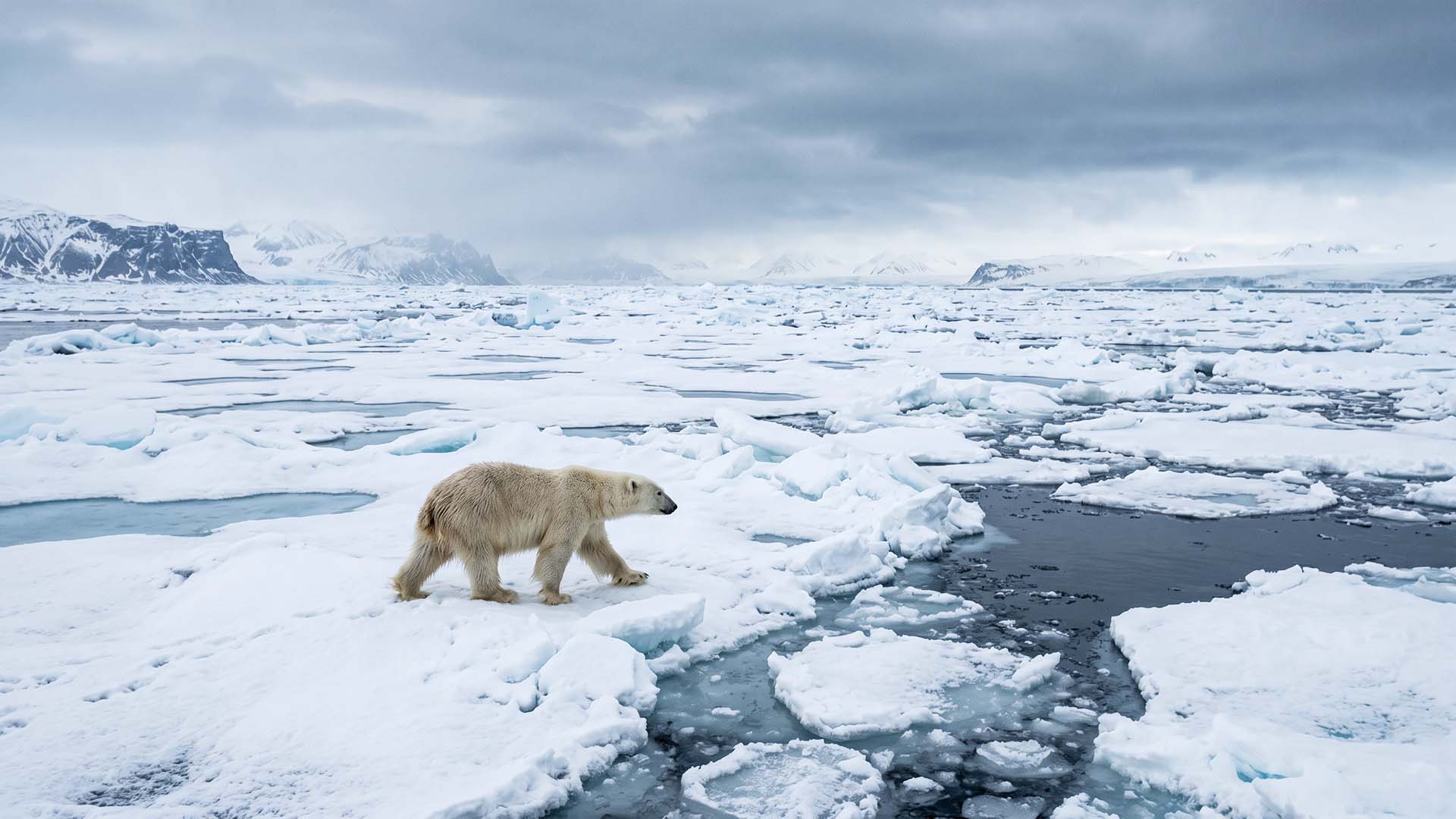
The world can no longer avoid exceeding a critical climate threshold, according to a recent United Nations report.
The report warns that global temperatures will rise 1.5 degrees Celsius (2.7 degrees Fahrenheit) above preindustrial levels, meaning a target set in the 2015 Paris Agreement won’t be achieved.
But crossing that threshold doesn’t mean efforts to address climate change have failed.
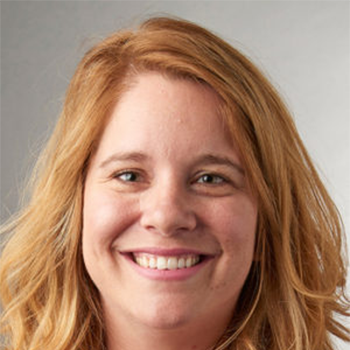
Becky Bolinger, Ph.D., affiliate faculty in the Department of Earth and Atmospheric Sciences at Metropolitan State University of Denver and former assistant state climatologist, says two strategies are especially urgent now: mitigation, or reducing greenhouse gas emissions to slow warming, and adaptation, or responding to changes already underway.
“Climate change is not something in the future,” Bolinger said. “It’s something that’s happening now and something that we are dealing with now and working on solutions.”
A hotter, drier Colorado
For Colorado, the global temperature increase means a hotter future with less reliable snowpack, more destructive wildfires and increasingly dangerous summer heat. But innovative efforts involving beavers, goats and Indigenous land stewardship can help Colorado adapt to a changing climate.
Colorado’s average annual temperature was approximately 1.5 degrees Fahrenheit warmer from 2013 to 2022 than the 1971 to 2000 average, according to the Climate Change in Colorado report, which Bolinger helped produce. By 2050, the state could be roughly 4 degrees Fahrenheit warmer than late-20th-century levels.
That warming has consequences for Colorado’s water supply, wildfire risk and public health, Bolinger said.
Warmer temperatures mean less snowfall and that mountain snowpack will melt earlier, reducing the water available for cities, agriculture and recreation. Even if Colorado receives the same amount of precipitation, Bolinger said, rising temperatures can make droughts more frequent and severe.
“When you warm the temperatures, it reduces the efficiency of getting that water to us,” she said.
RELATED: What Colorado’s disappearing glaciers are telling us
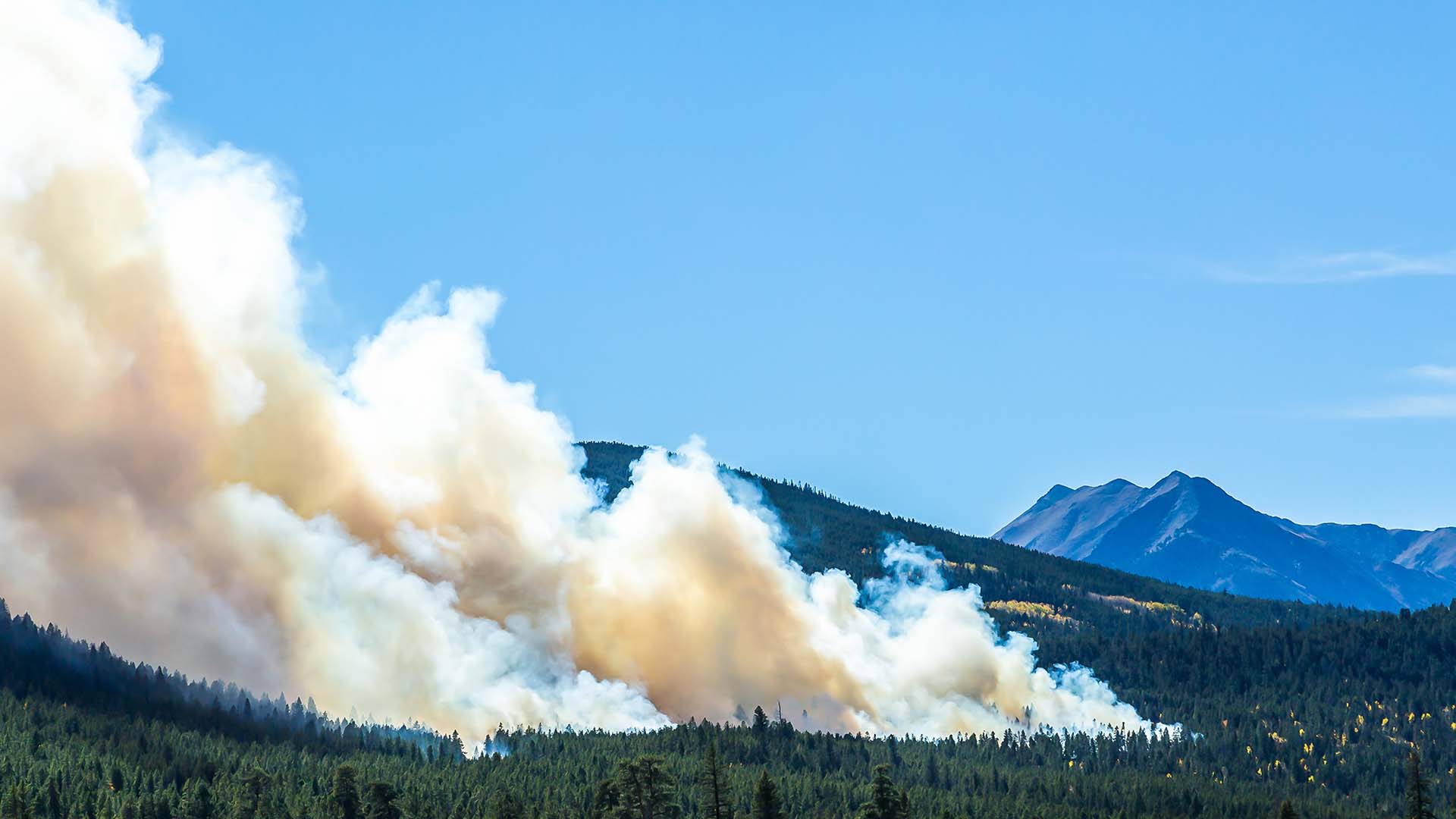
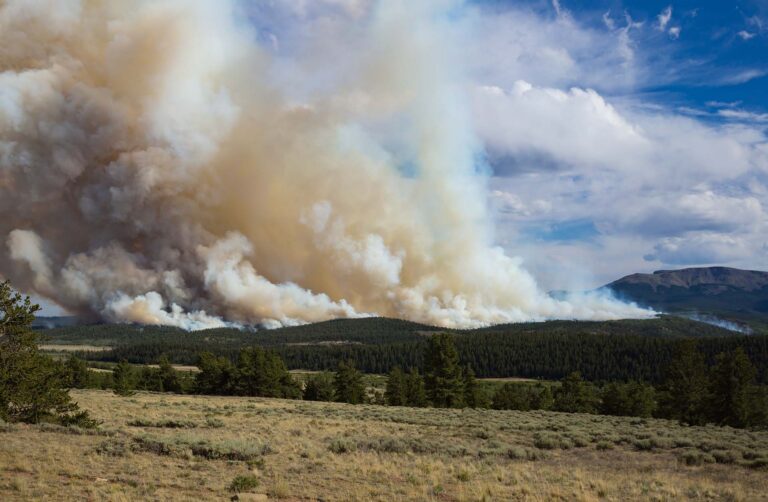
As the result, wildfires will become more destructive. Bolinger warns that hotter, drier conditions extend wildfire seasons and make vegetation more flammable. The danger isn’t limited to mountain forests: The 2021 Marshall Fire demonstrated how quickly grassland fires can spread into suburban neighborhoods.
Bolinger also points to the growing public health risks of more frequent and intense heat waves, particularly for outdoor workers, people without reliable access to air conditioning, animals and vulnerable populations.
Slowing the train — and adapting to the changes
Bolinger compares global warming to a fast-moving train. Even when the brakes are applied, it takes time to slow down. That’s why reducing emissions remains essential. Every fraction of a degree of additional warming increases climate risks, and limiting how far temperatures rise can prevent even more severe consequences.
But mitigation alone isn’t enough.
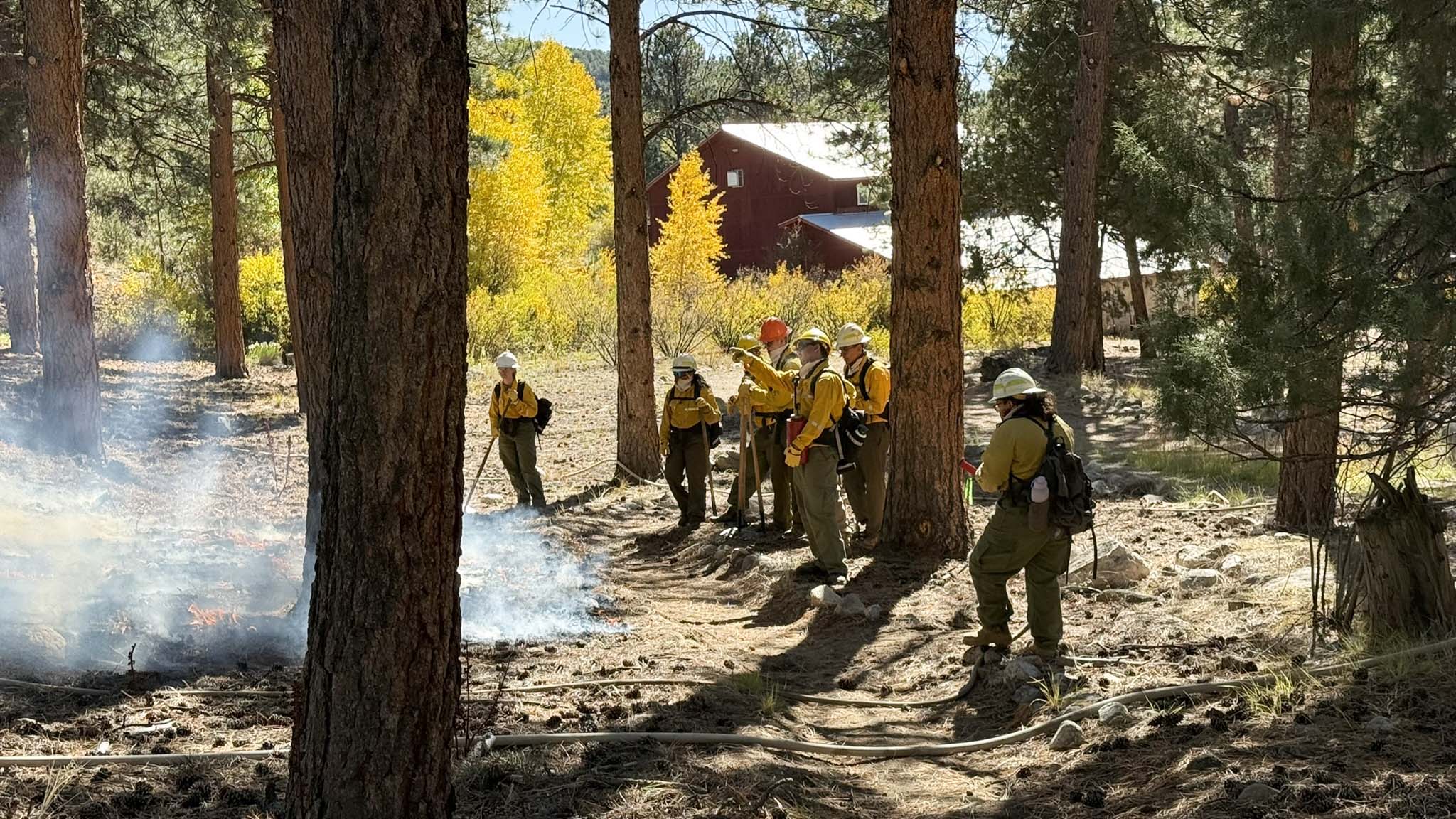
Bolinger sees promising adaptation efforts across Colorado, from using goats to eat and reduce drying vegetation to constructing features that function like beaver dams to slow the movement of water and create pools that add complexity to streams by allowing more sediment deposits.
The Colorado Water Conservation Board’s Wildfire Ready Watersheds program is helping protect water resources from wildfire impacts, while Southern Ute tribal representatives are bringing Indigenous knowledge and land-stewardship practices into statewide water planning.
These efforts demonstrate how adaptation can work alongside emissions reductions to lessen the effects of a changing climate.
For Bolinger, who teaches Global Climate Change and Climatology at MSU Denver, focusing on solutions also helps students navigate the anxiety that the changing climate can cause.
While individual choices matter, she emphasizes that meaningful emissions reductions require action from governments and major industries. Meanwhile, adaptation offers opportunities to reduce climate risks that are already becoming reality.
The world may be unable to avoid crossing the 1.5 degree threshold, but the severity of future warming and Colorado’s ability to withstand it are still being determined.
“What is the point of predicting what’s going to happen if we’re just going to sit there and watch it happen?” she said. “We’re predicting because we know we can do something about it.”