How to save water during Colorado’s drought
From smart sprinklers to low-flow toilets, an MSU Denver expert shares simple ways to cut water use without major sacrifices.
This long, hot summer drags on. Reservoirs are drying up, much of the state is experiencing extreme drought, and water departments in Denver and Aurora, among others, have slapped hefty surcharges on excessive water use.
RED asked Randi Brazeau, Ph.D., a professor in the Department of Earth and Atmospheric Sciences at Metropolitan State University of Denver, to share some practical water-sense tips.
Lawn watering in the summer accounts for around half of Denver’s total home use. How can those determined to keep their thirsty grass green still make reductions?
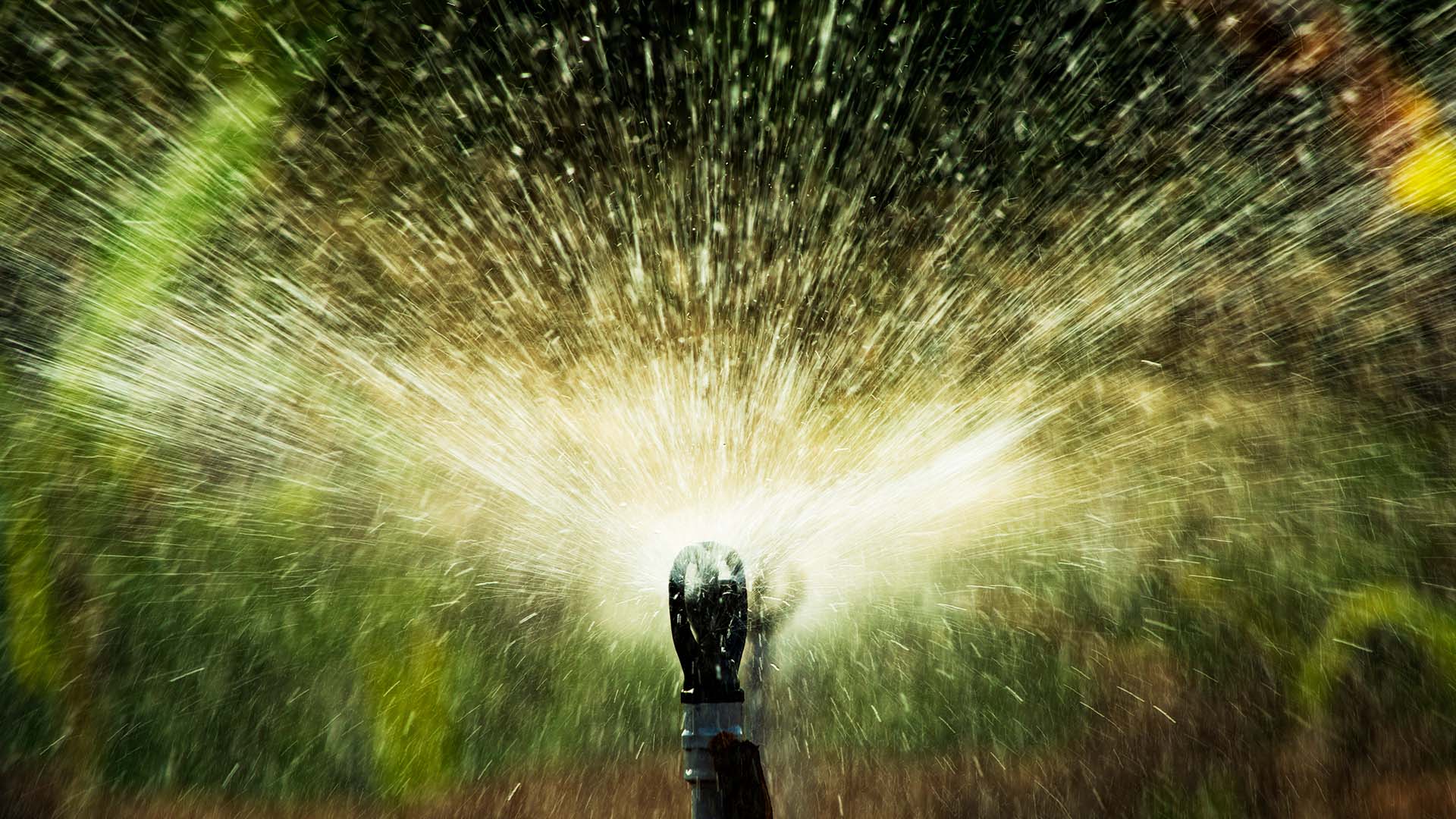
First, bear in mind that a key issue with traditional lawn sprinkler heads is evaporative loss. (With some systems, more than 50% of the water will evaporate before reaching your grass.) So, the idea is to water early in the morning during the cooler hours, which will mean shorter watering lengths for maximum impact — and more bang for your buck.
Is it worth looking at ‘smart’ watering devices?
Yes. Smart technology can be your garden’s friend. Smart irrigation controllers, for example, can precisely calculate how much water your lawn needs — and when — and automatically switch off when rain is predicted.
Rotary nozzles (which fit on most traditional pop-up spray heads) slowly deliver multiple rotating streams of water, both reducing waste and ensuring that more water soaks into your soil. And on your soil beds, drip irrigation delivers water directly to the roots of plants through a network of tubes — it’s highly efficient with zero waste.
Can you suggest some simple steps to take in the garden that might help?
Sure. Invest in a couple of rain barrels and you’ll get a fresh supply of water each time it rains, which you can then use anytime. It also pays to regularly check your irrigation lines for leaks and repair them.
Another simple fix: Adjust your sprinkler heads to avoid wasteful watering on paths and concrete driveways. And use mulch on your soil beds, which helps to retain water while also controlling weeds. Such small steps can help you achieve a beautiful garden without overconsumption of water.
RELATED: 5 waterwise flowers to replace your turfgrass
If homeowners are truly ready to embrace water-saving change in their yards, what should they do?
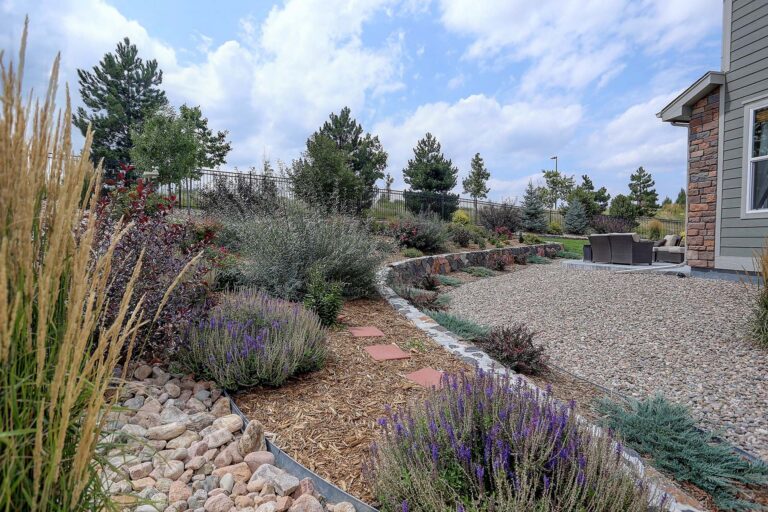
The best idea is to replace your thirsty bluegrass lawn with native grasses and desert plants, which naturally thrive in our semi-arid climate and need much less water. Xeriscaping your outdoor spaces means getting to choose from hundreds of beautiful plants and colorful perennials and coming up with interesting landscaping ideas. Colorado is already home to some truly stunning gardens.
While replacing your existing yard with more desert-tolerant plants might initially be labor intensive and costly, you’ll immediately cut your outdoor water use by up to 60% and quickly benefit from significantly lower water bills. You might also get help with the initial costs. Denver Water offers a $750 upfront discount for residents pulling up their turf (though all funds for this year have been allocated), and the company’s Cash for Grass program also offers lawn-replacement rebates.
Which small-scale changes in the home can make a worthwhile difference?
There are a couple of standard measures that are fairly commonly known: Only run full loads in your dishwasher and washing machine, for one — and take a five-minute shower (10 gallons) rather than a bath (35-50 gallons).
However, the largest indoor water-use in your home comes from the toilet flushing! And while I’m not suggesting people don’t flush their toilets, installing low-flow toilets (which use 1.6 gallons per flush, rather than 4-7 gallons) or fixing your running toilet can go a long way to reducing water usage. Ideally, we would replace all U.S. toilets with modern, low or dual-flush toilets, just as Europe has done. If that were to happen, we would see massive change in households’ water consumption rates.
What should we do about dirty cars?
Oh, man. I have a monthly pass to a local car wash place, so I’d be a hypocrite to suggest skipping this chore. One thing I will say is that most commercial places in the U.S. use recycled — or “purple pipe” — water for car-washing, which does significantly reduce water waste. Remember: Domestic car-washing generally uses much more water and also sends harmful soapy water into storm drains, which isn’t great.
Many people simply don’t know whether they are using too much water. Any suggestions?
This is a tough one because most Americans probably don’t consciously think about this topic at all — they simply expect to turn on the tap and find clean, treated water at their disposal. However, for those Denver residents who are inclined to conserve their resources, it’s worth checking out the Water Calculator website, which measures a property’s water usage against the size of home and number of family members.
Awareness campaigns aimed at reducing water use have so far landed with a thud. Any other ideas?
Put bluntly, people don’t like thinking they have to “give something up.” But humans are also strange creatures and susceptible to suggestion. In Costa Rica, a water company achieved major improvements in public behavior with a comically simple idea: They added green “smiley” stickers to low water-use bills and red “frowning” stickers on higher water-use bills.
Almost overnight, the highest users dropped their water consumption by 2% and then continued to make long-term gains thereafter. Silly as it sounds, humans are competitive by nature and want the positive reinforcement. Other municipalities have successfully tried variations of this approach — for example, by comparing homeowners’ water use to their neighbors’ on bills. I guess everyone just likes to win.