How to stay safe in Colorado’s wildfire smoke
Here’s everything you need to know about spending time outdoors during this smoky summer.
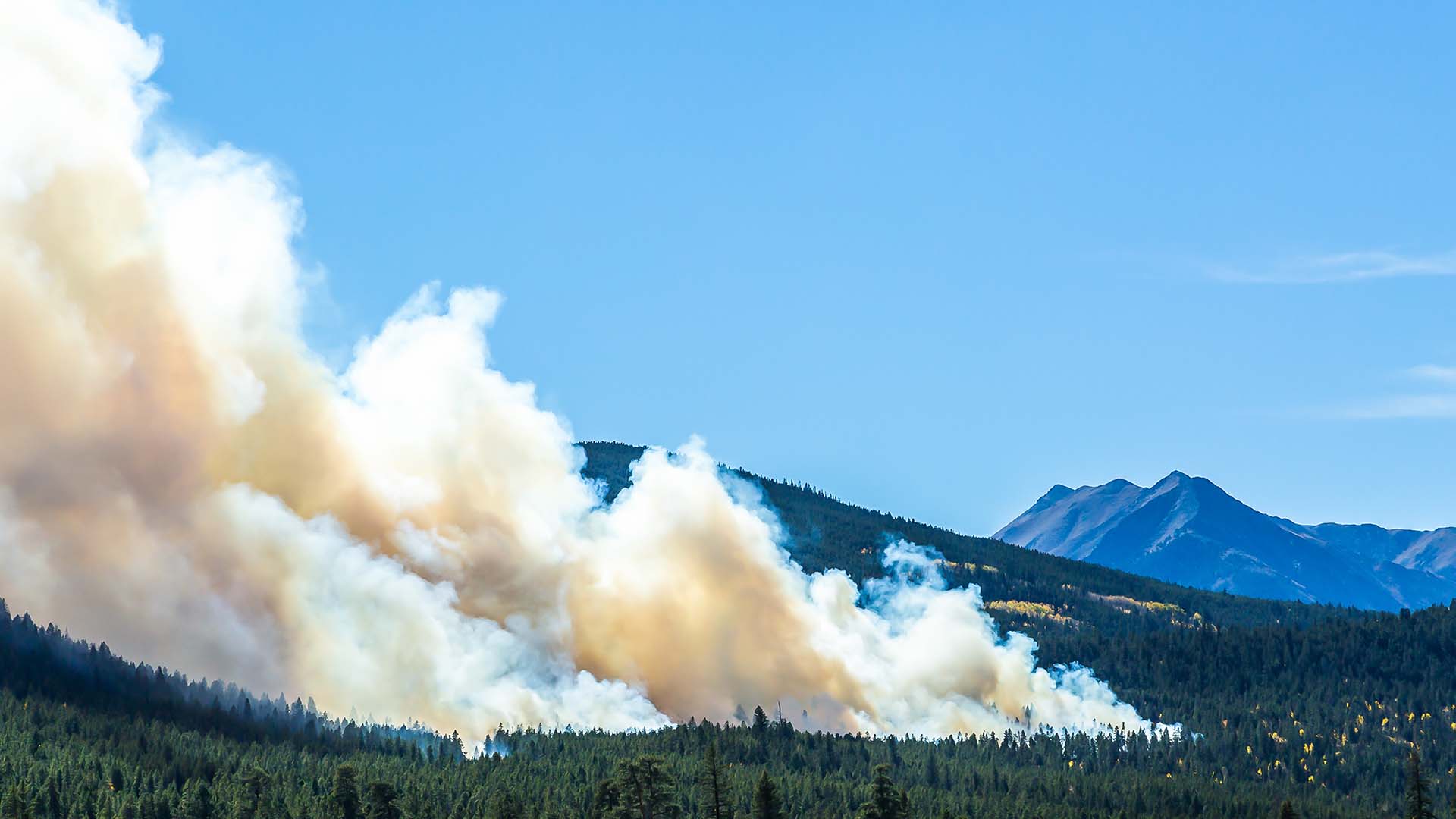
Wildfire season has hit hard this year, bringing massive clouds of thick smoke across Colorado.
Besides being a daily nuisance, the influx of polluted air also raises troubling questions. How dangerous is all that smoke? Which people are most at risk? Should Coloradans change their daily routines or carry on as normal?
RED asked two Metropolitan State University of Denver experts — Tony Nuñez, Ph.D., professor of Exercise and Sport Sciences and Erin Seedorf, DrPH, chair and associate professor in the Department of Health Professions — to cover the basics and advise how you can stay safe until the smoke clears.
Staying safe
Which groups of people face the greatest health risks from the air pollution?
Seedorf: While wildfire smoke can (and does) affect anyone, several key groups are especially vulnerable. They include people with asthma, COPD, other lung diseases or heart disease; children and teenagers; older adults; and pregnant people. People in these groups should take extra care to protect themselves against the negative effects of the smoky air.
What exactly is contained in wildfire smoke, and why is it so potentially harmful?
Seedorf: Wildfire smoke comprises a complex mix of gases and particles from burning trees, plants, buildings and other materials. The chief health risk comes from fine particulate matter (known as PM2.5), which contains particles tiny enough to reach the deepest parts of the lungs. Worryingly, research suggests it can also cross into the blood stream and lead to multiple chronic illnesses.
What is the weather outlook for the state?
Seedorf: I’m afraid Colorado is facing “double trouble” at the moment, from both wildfire smoke and ground-level ozone that is considered to be at unhealthy levels. The Denver Metro area’s unique geography, sitting right beside large mountain ranges, creates a “sink” effect where pollution builds up and cannot easily dissipate. The result is that all that air pollution just sits there in our more highly populated areas.
RELATED: As wildfires become more complex, fighting them does, too
What are the key signs that you’re getting too much exposure to dirty air?
Seedorf: Generally, the first thing you’ll notice will be hazy-looking sky or a smell of smoke. Then, if you’re outside for too long, you could find yourself suffering from a whole list of symptoms, including burning, itchy or watery eyes; scratchy throat; coughing; shortness of breath; chest tightness; headaches; or unusual fatigue.
Be aware: People with underlying heart or lung conditions might well see their condition decline more quickly. If your symptoms become severe or interfere with normal activities, contact your health care provider. For any emergencies, of course call 911 immediately.
If Coloradans are concerned about wildfire smoke, what practical steps can they take?
Seedorf: When air quality worsens, your main priority should always be to reduce your exposure. Fortunately, there are many simple steps you can take to keep yourself and those you love safe.
For example: Check the local air quality before spending extended time outdoors. Keep your windows and doors closed. Pay extra attention to children, older adults and those with chronic health conditions. If possible, invest in a portable HEPA air cleaner or high-efficiency HVAC filtration.
During significant smoke events, Colorado Department of Public Health and Environment will likely issue Air Quality Health Advisories or Action Day Alerts, which provide useful guidance. Additionally, the Colorado Smoke Blog is useful for Denver and Front Range residents, and the Environmental Protection Agency’s AirNow Fire and Smoke Map is one of the most comprehensive tools out there for tracking wildfire smoke and PM2.5 levels in real time across the whole country.
Getting exercise
How smoky is too smoky for outdoor exercise?
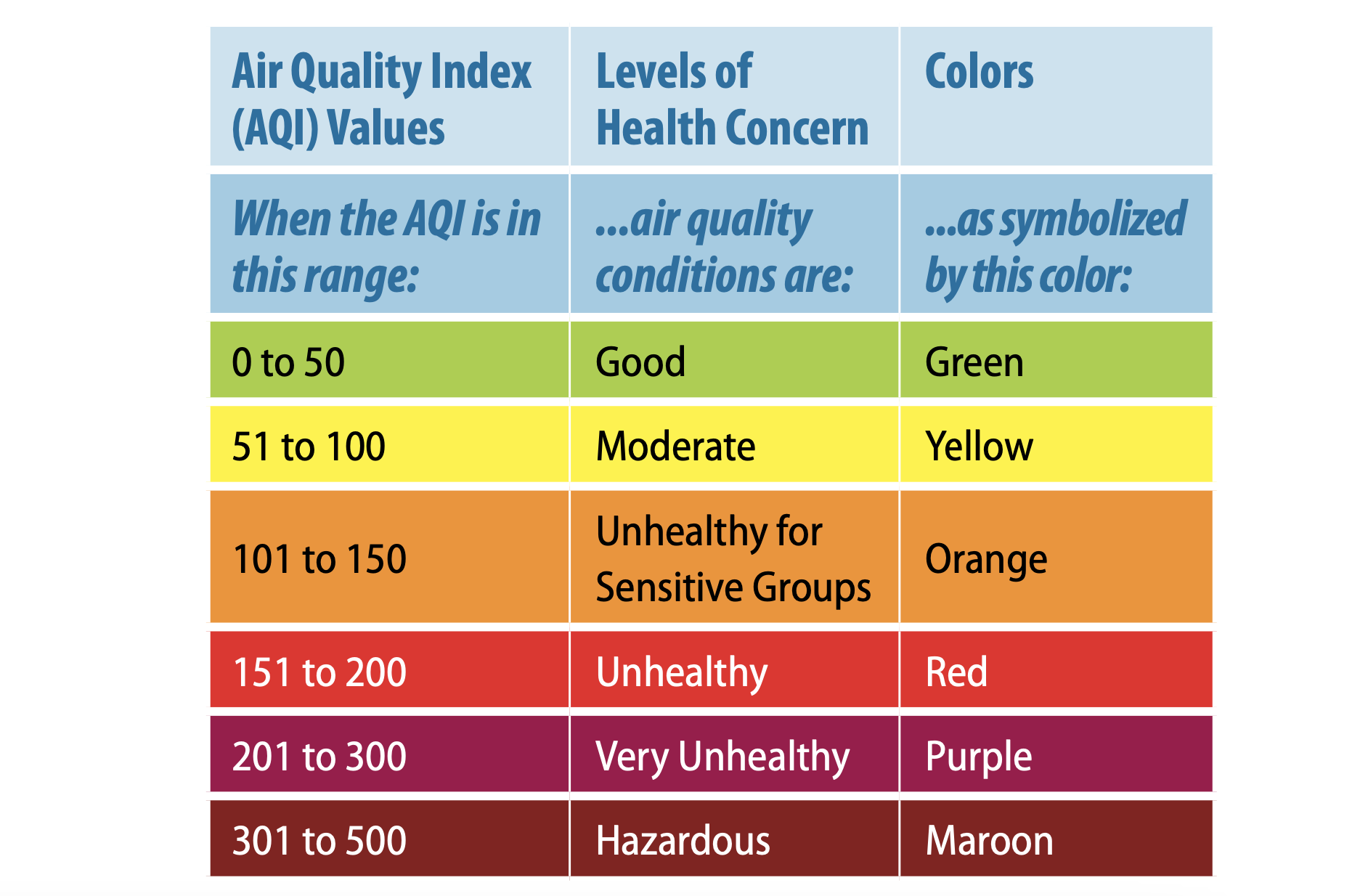
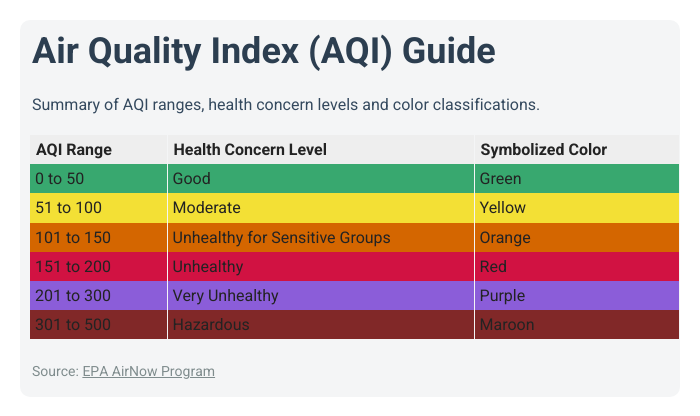
Nuñez: Smoke is certainly going to have an effect on the Air Quality Index and that matters. According to research, outdoor aerobic exercise in “good” and “moderate” areas should be safe for most populations, but it pays to check the AQI color rankings. Sensitive groups may want to refrain from exercise during “orange” conditions. (And if you’re smelling the smoke, it’s likely you’re already in this zone.)
When it comes to exercising outdoors, the presence of any of the three most extreme categories — “unhealthy” (red), “very unhealthy” (purple) and “hazardous” (maroon) — should mean a hard no for most people. Research has shown that, in such conditions, the negative health impacts outweigh any positive ones.
For runners and cyclists (who would probably be bored by stationary gym equipment), which indoor activities might provide a decent aerobic alternative?
Nuñez: Exercising indoors is absolutely a good idea when air quality is poor. Many gyms now feature indoor tracks, which can be really useful. But otherwise, treadmill work is great for avid runners or walkers. Setting your treadmill to a 1.5-2% incline will bring extra burn and help mimic outdoor running conditions.
Attending a cycling class or using an interactive stationary bike at the gym is an efficient way for cyclists to push themselves and recreate that sense of community indoors.
Even when air quality readings aren’t too bad, would you recommend people go a little easier while exercising at the moment?
Nuñez: For vulnerable populations, I certainly would advise that. But for those who are generally healthy and regularly exercise outdoors, I’d recommend keeping the intensity as originally programmed but limiting the time of exposure, if possible. Even if you just perform your warm-ups and cool-downs indoors, that will make a difference.
Any safety tips for those Coloradans who have to work outside for their jobs?
Nuñez: If you need to be physically active outdoors in poor air quality conditions, I’d recommend wearing a mask to help filter away some of the air pollution. Ideally, you should aim to get a specialized, respirator-style mask — such as a N95 mask — which will offer genuine protection and put a barrier between your lungs and the smoky atmosphere.
Do you think Denver’s professional sports teams — Broncos, Rockies, Rapids, Denver Summit FC — will still be holding practice outside, like normal?
Nuñez: I absolutely think that professional sports teams will be holding practice outside. There is an inherent risk involved in professional sports that is not part of exercising for health and wellness. AQI ratings would need to be very poor before sports medicine staff would alert coaches about the potential dangers of training outdoors. Having said that, I imagine athletic training staff will monitor athletes with asthma or similar health conditions that could be exacerbated by the poor air quality.