Precision Flight Team builds confidence to handle the unexpected
MSU Denver pilots excel in competition that showcases the skills, judgment and teamwork that can make all the difference in the cockpit.
In aviation, close isn’t good enough.
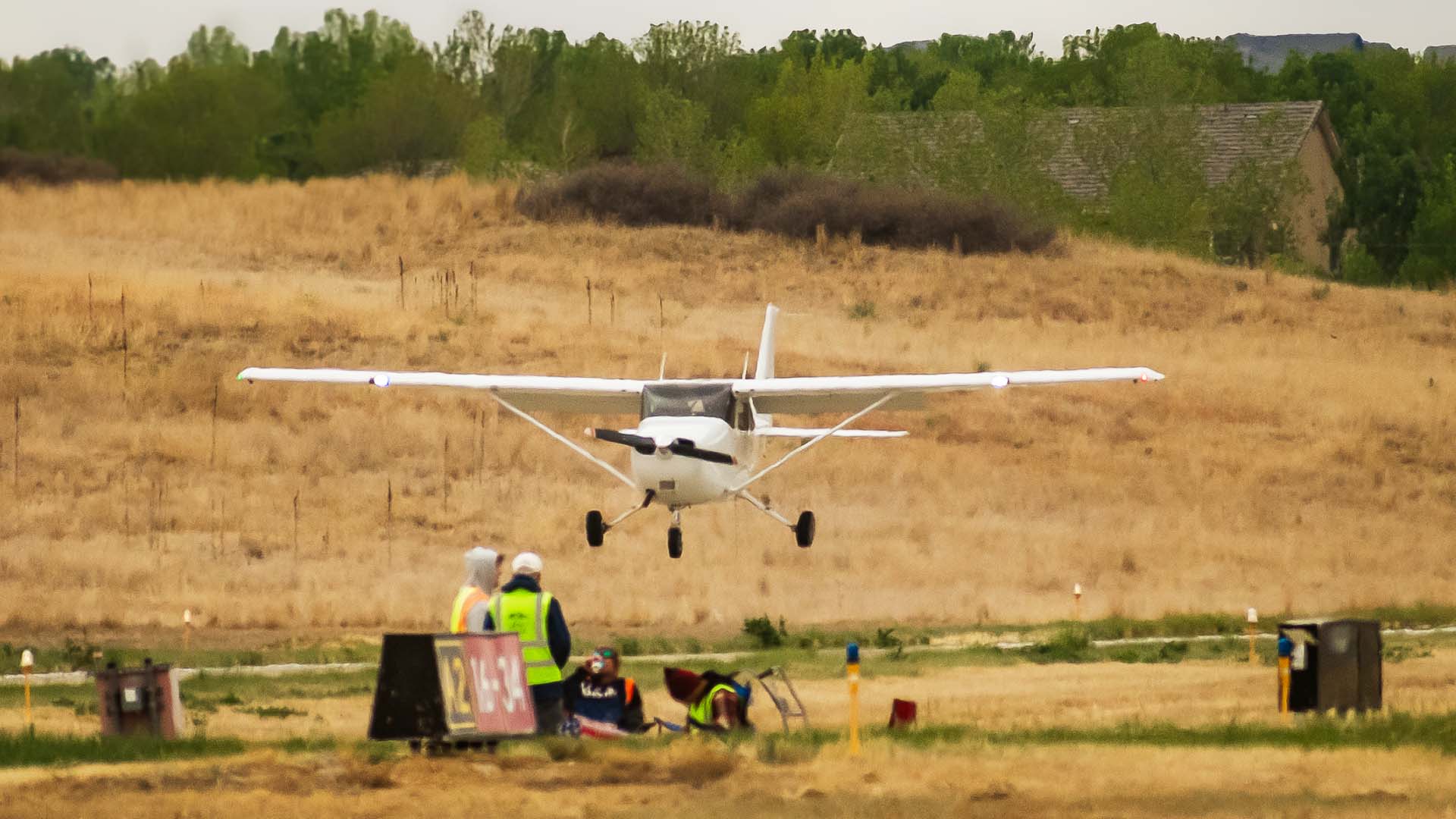
In Metropolitan State University of Denver’s aviation classrooms, students learn the technical skills, calm demeanor and careful planning that make a successful pilot. In Precision Flight Team competition, they get to take those skills to the skies and show off what they’ve learned.
At the 2026 National Intercollegiate Flying Association Region 1 SAFECON competition in October, MSU Denver’s team earned second place, finishing just behind the U.S. Air Force Academy. Roadrunner pilots also scored top-three finishes in three individual events, including Flight Events Championship, Ground Trainer and Power-off Landing. The next national competition will be held in May in Oshkosh, Wisconsin.
Those accomplishments are just the latest in a long winning tradition for the MSU Denver team. The team earned first-place finishes in multiple categories in five different years, as well as the 2011 Loening Trophy, which recognizes outstanding collegiate aviation programs.
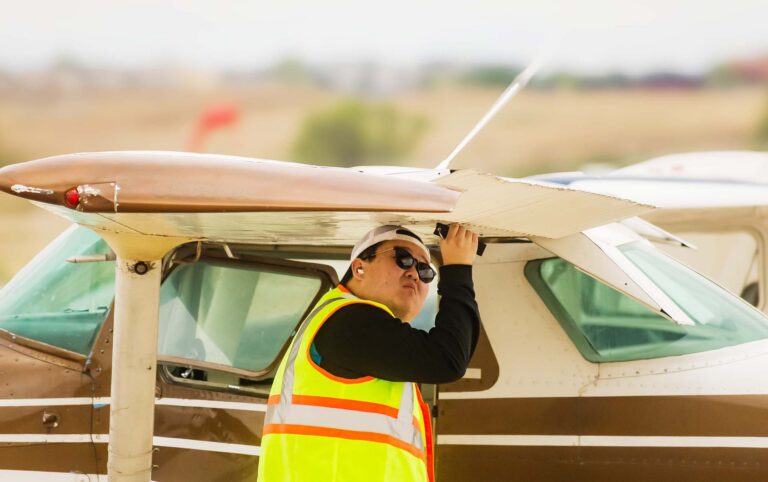
Aviation and Aerospace Science senior Luke Shima is part of that winning tradition.
In 2025, Shima placed second in the Top Pilot and third in the Power-Off Landing categories. He sees the competition as an opportunity to build his skills and judgment. “I feel the Precision Flight Team really helped me master the fundamentals of being a safe and knowledgeable aviator,” Shima said.
The National Intercollegiate Flying Association, a community of aviation students and industry professionals, holds the Safety and Flight Evaluation Conference, or SAFECON, each year. Dozens of teams compete in regional events, but only an elite handful survive to take part in the national competition.
The national SAFECON challenges pilots in categories including Navigation, Approach and Landing, Approach and Landing With Reduced Power, and the Message Drop, in which airborne teams try to drop containers as close as possible to targets on the ground.
Each event rewards accuracy and efficiency. Pilots must recognize when something is wrong, assess their options and make decisions that prioritize safety.
In the Power-off Landing event, for example, pilots must manage an aircraft’s energy and reach a designated landing point without engine power. Success depends on judging the approach, accounting for aircraft performance and making precise adjustments along the way.
RELATED: Demand for Aviation program soars
But the competition is more than a chance for students to show off flight skills.
“Students have to learn to communicate clearly, trust their training and understand how their decisions affect the people working alongside them. The team gives them an opportunity to practice those skills in a competitive environment,” said Michael Forney, affiliate faculty in the Aviation and Aerospace Science Department and the Precision Flight Team coach.
Shima later put his Power-off Landing skills to use during his commercial pilot check ride, which required him to perform the Power-off 180 Approach & Landing. “Having done the power-off event, which is essentially a harder version of the power-off 180, made my commercial check ride a cake walk,” Shima said.
Navigation events have also strengthened a skill Shima uses outside competition: flight planning. Competitors calculate headings, arrival times and fuel consumption before putting those estimates to the test in the air. Shima has carried that practice into his own flying, improving his ability to anticipate arrival times and manage fuel.
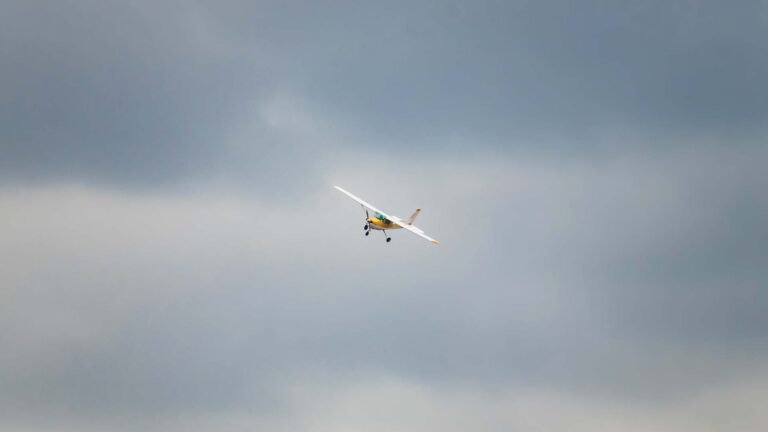
Shima joined the MSU Denver Precision Flight team during his sophomore year after Chad Kendall, associate professor of Aviation and Aerospace Sciences, encouraged him to get involved. Growing up in Broomfield, Shima developed an interest in aviation through watching airshows as a child and began flight training in 2022.
He chose MSU Denver’s aviation program because of its reputation and comparatively affordable path toward a professional flying career.
The team offered another way to immerse himself in aviation and learn alongside students who shared his interests.
“I didn’t have much involvement in clubs yet and I wanted to do something special,” he said. “Joining the Precision Flight Team has been the best decision I’ve made in the last three years.”
Team training and competition also have shown Shima that becoming a capable pilot means learning to work effectively with others.
“Aviation is rarely an individual effort, even when there’s only one person flying the aircraft, Forney said. That lesson extends beyond competition. During downtime at the 2025 national competition, former teammates helped Shima prepare for his commercial check flight. With students at different stages of training, team members share knowledge, exchange experiences and help one another prepare for the next milestone.
Those relationships can extend into students’ professional lives, creating a network of fellow aviators who can offer guidance and support as they advance in their careers.
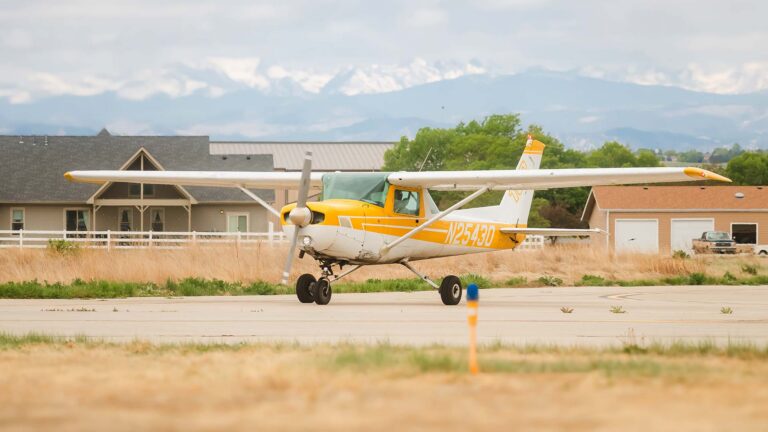
Competing against some of the nation’s strongest collegiate aviation programs takes more than talent. Like intercollegiate athletes, team members devote hours to practice, refining their performance to keep pace with competitors.
“Precision flying, and especially competitive precision flying, takes repetition, consistency and a willingness to look at what went wrong and figure out how to improve,” Forney said. “That process is just as important as the final result because it teaches students how to evaluate their own performance and keep getting better.”
Shima sees collegiate competition as a way for student pilots to demonstrate their commitment to professional growth beyond the requirements of flight training. It’s also a way to form professional connections.
“Going above and beyond to develop yourself professionally sets you apart from most of the crowd,” he said.
Shima already works as a flight instructor at McAir Aviation. Now, with graduation nearing, he is contemplating his aviation future. After meeting recruiters at the 2026 national competition, he also hopes to join the Air Force Reserve.
Asked what he would tell other students considering the team, Shima said that joining had been one of the best decisions of his college career.
I