How 9/11 changed airport security forever
25 years later, MSU Denver aviation expert says today’s travelers are safer than ever, but new threats are emerging.
Twenty-five years after the Sept. 11 terrorist attacks transformed air travel, Americans can move through airports with a convenience that would have seemed unimaginable in the years immediately afterward.
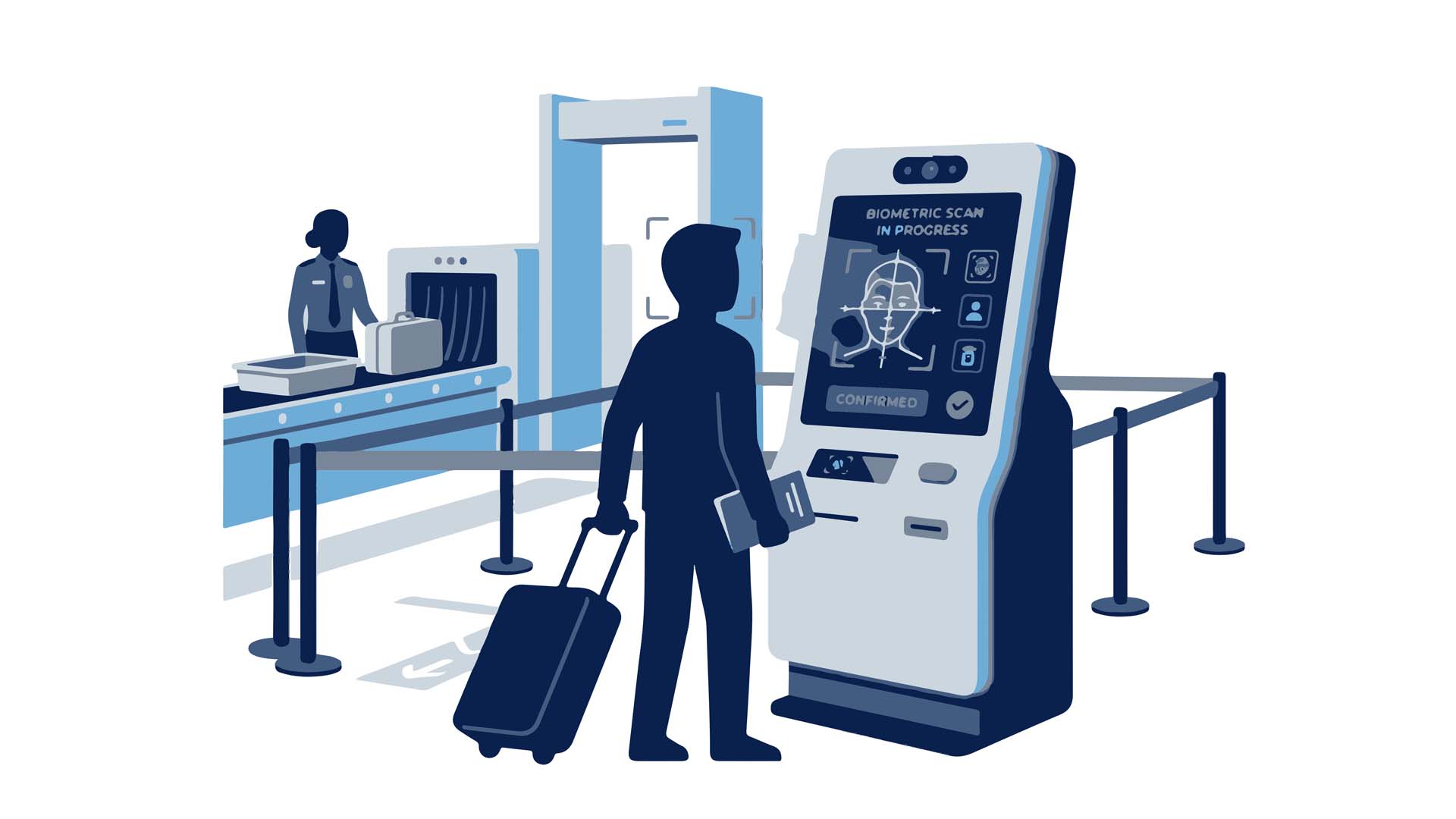
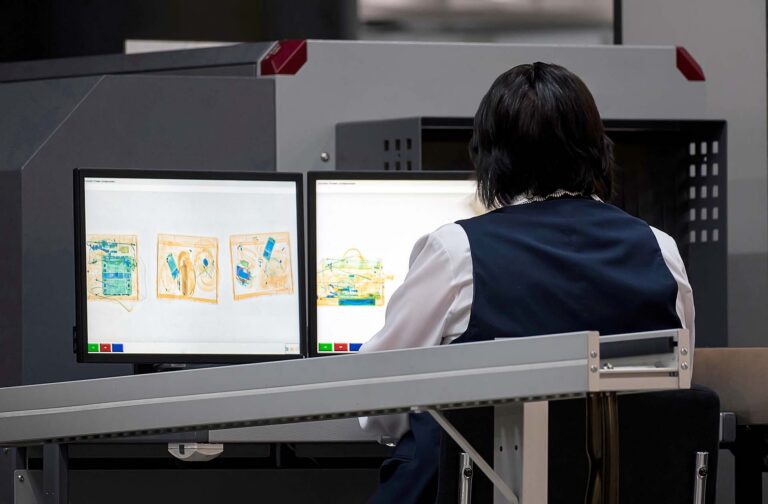
Travelers no longer routinely remove their shoes at many checkpoints. Facial recognition technology is speeding up identity verification. Advanced scanners can capture detailed images of bags and belongings without requiring passengers to unpack them.
But according to Jeff Price, instructor and aviation security expert in the Department of Aviation and Aerospace Science at Metropolitan State University of Denver, the changes travelers see today are the result of one of the most significant overhauls in transportation security in U.S. history.
“The biggest change to the industry came with the creation of the Transportation Security Administration,” Price said. “The government stood up a 50,000-plus-person organization in the span of a year and took over screening at U.S. airports from the airlines and their contractors.”
The creation of the TSA fundamentally changed how aviation security was managed, moving responsibility away from airlines and establishing national standards for screening and oversight.
From X-rays to facial recognition
The attacks exposed vulnerabilities that prompted a wave of security reforms.
Over the past quarter century, TSA has introduced new X-ray systems, computed tomography scanners, and better metal detectors and advanced body-imaging technology. Facial-recognition tools are increasingly being integrated into passenger-identification processes.
Security improvements have extended beyond passenger checkpoints. Checked baggage now undergoes extensive screening, air-cargo requirements have been strengthened, and background-check procedures for aviation workers have become more rigorous.
Price said one of the most consequential policy changes was banning all knives from aircraft cabins. Previously, small knives were allowed, and that, Price said, “is the precise policy failure that allowed 9/11 to occur.” According to “The 9/11 Commission Report,” the hijackers used knives and/or razor blades to carry out their attacks.
While security measures have become more sophisticated, they’ve also introduced new challenges, including longer screening processes and heightened passenger scrutiny, not to mention inconsistent security experiences stemming from differences in available technology, local operational practices and varying interpretations of federal policies.
“In the years immediately following 9/11, many people didn’t mind the intrusive security because they had seen what happened firsthand,” Price said. “Today, travelers want more convenience in the process.”
RELATED: Keep your shoes on? TSA policy change explained
Was creating TSA the right move?
The federal takeover of airport screening remains a topic of debate among aviation professionals and policymakers. Price said he believes the shift was necessary to improve consistency and accountability. “As long as security was an airline expense item, they were not going to spend any more money than necessary to meet regulatory requirements,” he said.
Although TSA has faced criticism and operational challenges over the years, Price rejects the notion that airport security is simply “security theater.”
“If it truly was, people would have exploited it numerous times since 9/11,” he said. “While we cannot provide 100% security, we can provide reasonable levels of protection so that the flying public has confidence in the system.”
Privatization of airport security
Private security has been part of the TSA since its creation. TSA sponsors the Screening Partnership Program, which allows airports to opt out of TSA screeners in favor of TSA contractors.
“The recent push to move to more privatized operations has come from politicians. And it runs the gamut: from abolishing the TSA organization — which I think would be a significant step backward and allow numerous 9/11 level events to occur — to expanding the SPP to hundreds of small airports, rather than the existing 20 it’s already at,” Price said.
“The challenge I see is that expanding a program that works at 20 airports means seeing whether it works at 200. Can the performance be replicated at that scale? That is the fundamental question.”
Teaching the next generation of aviation security professionals
As the country marks the 25th anniversary of 9/11, Price said it’s critical that future aviation professionals understand the lessons learned from the attacks and the challenges that remain. MSU Denver was an early adopter of a dedicated aviation security course and continues to require every student in the Aviation and Aerospace Science Department to complete it.
When Price and Jeffrey S. Forrest, department chair, found there wasn’t a comprehensive, up-to-date textbook on the subject, they wrote one themselves. Their textbook, “Practical Aviation Security: Predicting and Preventing Future Threats,” is in its fourth edition and is used by universities across the U.S. and internationally. “Many universities created aviation security classes after 9/11, but over time some have reduced that focus,” Price said. “We continue to take the subject very seriously.”
The next frontier: Drones, cyberattacks and insider threats
While hijacking and bomb threats remain a concern, today’s aviation security professionals face a growing set of challenges that didn’t exist in 2001. Among them are armed drones, cyberattacks targeting critical infrastructure and insider threats posed by people with authorized access to airport operations.
“Cyberspace is an entirely new battlefront,” Price said. “We’ve already seen attacks in the aviation sector and will continue to see them.”
As airports become increasingly reliant on interconnected digital systems, aviation security professionals must also develop expertise in cybersecurity, he said. Those topics are now part of the curriculum at MSU Denver, helping prepare students for a rapidly evolving threat environment. “The existing threats are never going away,” Price said. “The challenge is preparing for the ones that are emerging.”