7 things to know about moving to Denver
Contemplating a move to the Mile High City? Here are some of the weird and wonderful experiences that await you.
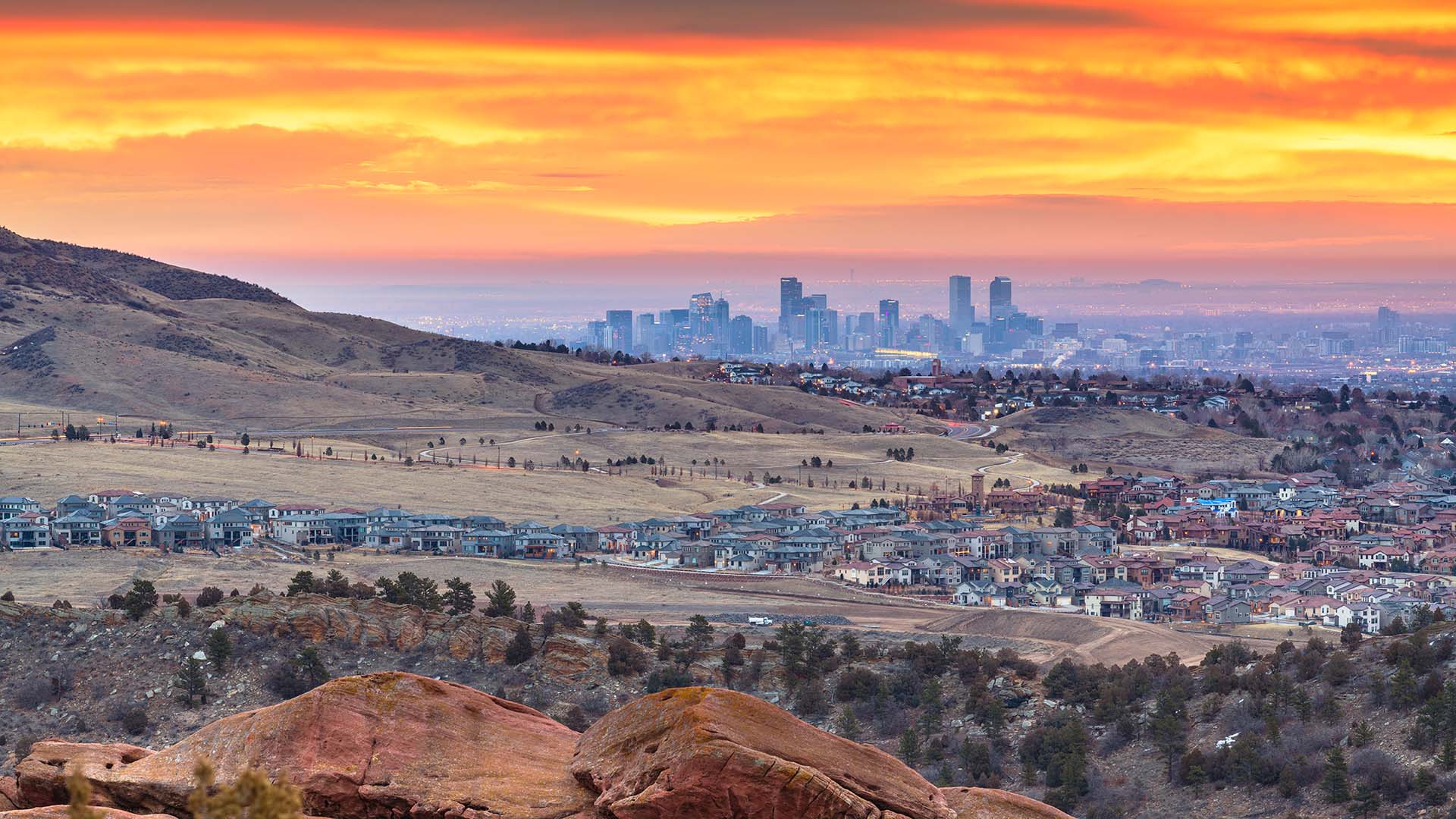
Colorado continues to rank among the fastest-growing states in the country.
Each year, the state’s booming job market, outdoor lifestyle and reputation for a great quality of life draw thousands of newcomers. But Colorado — and Denver, specifically — is a quirky place with many distinctive features, some of which can take transplants by surprise.
RED asked two local experts — Lincoln Davie, associate professor of Sport Management in MSU Denver’s Department of Exercise and Sports Sciences, and Economics student Callie Taylor, who moved here from Tennessee — to highlight some notable features of mile-high living.
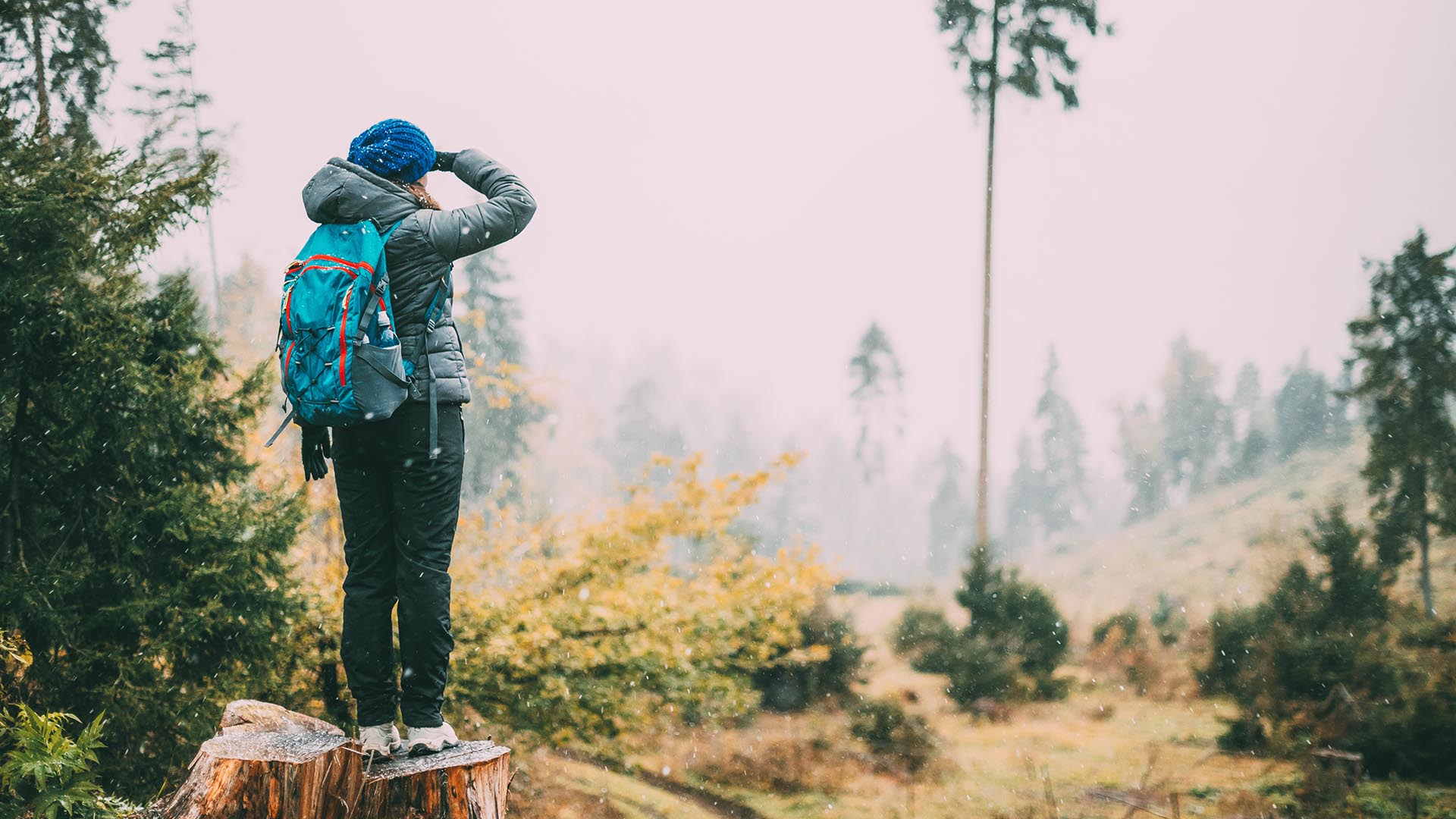
Coloradans embrace an outdoor lifestyle.
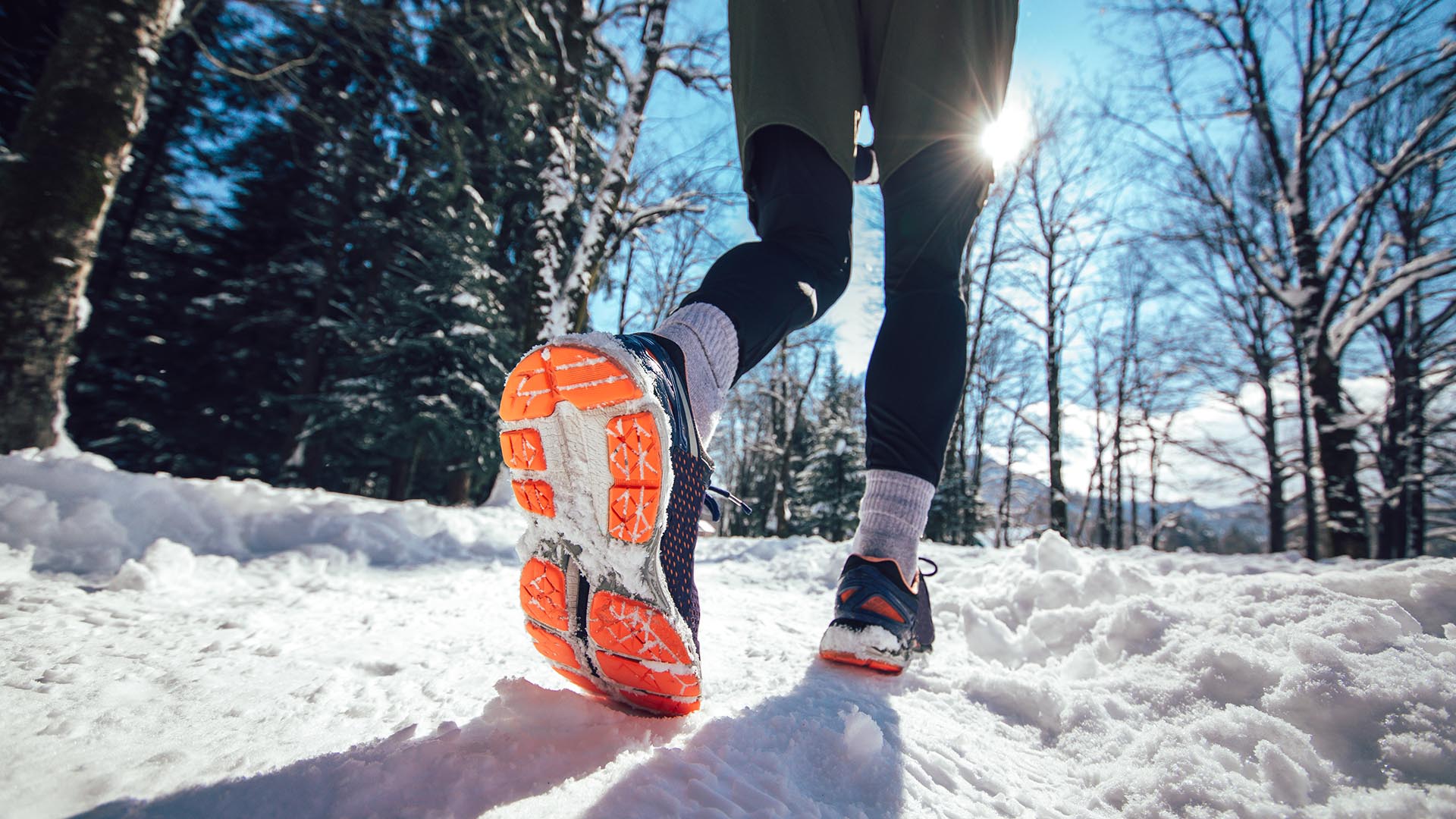
Denver is a ”do stuff” city, in all the best ways. “It’s genuinely easy here to build movement into your everyday life,” Davie said, “whether that’s by bike commuting, squeezing in a lunchtime walk, or incorporating the city’s numerous parks and multiuse paths into your normal routine.”
For newcomers wanting to plug in quickly to the local lifestyle, Davies suggests trying COTREX (Colorado Trail Explorer), a Colorado-specific trail app. “It’s great for finding nearby routes for a quick postwork outing,” he said, “and equally useful for planning weekend adventures once you’re ready to head out to the foothills.
As Taylor pointed out, every neighborhood is close to a decent running trail, cycle path or major outdoor space — such as Sloan’s Lake Park, City Park and Cheesman Park. “I currently live across the street from a state park where I can trail run or paddleboard any day — plus, I’m only 20 minutes away from campus,” she said.
RELATED: The truth about summer in Denver
Living a mile up = 17.5% less oxygen.
Denver really does sit at 5,280 feet (a mile) high, and you will feel it at first. “Having less oxygen can initially cause altitude sickness, headaches and fatigue for unacclimatized visitors, so go easy on everyday activities and especially workouts during your first weeks,” Davie said. “The best approach is common sense — take things slowly, stay well hydrated and build up resistance gradually.”
The good news: There’s no fit like altitude fit. Once you do acclimate, any exercise will prompt your body to produce more oxygen-carrying red blood cells, which boosts endurance and performance. Soon, you’ll be racing up the steps at Denver’s State Capitol building (with its famous brass plaque indicating you’re precisely one mile above sea level) with no trouble.
Be prepared for strong sun.
Denver sun is no joke and often catches people off guard because it can feel mild when it’s actually intense. Again, it’s all about the altitude. On hot Denver days, you’re missing out on a full mile of Earth’s densest protective atmosphere, which means the sun’s powerful UV rays can do real damage.
“Sunscreen matters year-round here, including for winter days on the snow when sun reflects off the surface and you can get quickly sunburned without realizing it,” Davie said. He recommends using the EWG Skin Deep database to check your sunscreen’s health and environmental bona fides.
Still, having 300 days of sun a year is no bad thing. “The sunshine is one of my favorite things about Denver,” Taylor said. “Even in the winter, the bright days make the city feel more alive, and the chilly nights are just perfect for coffee shops and long study sessions.”
Thankfully, the city’s blistering-hot days are inevitably followed by significantly cooler evenings. “Even in peak summer, the lack of moisture here means there’s nothing to stop the day’s heat radiating back out into space at night,” Davie said. “If you see someone sat outside a restaurant at night shivering in a Tshirt, chances are they haven’t been here too long.”
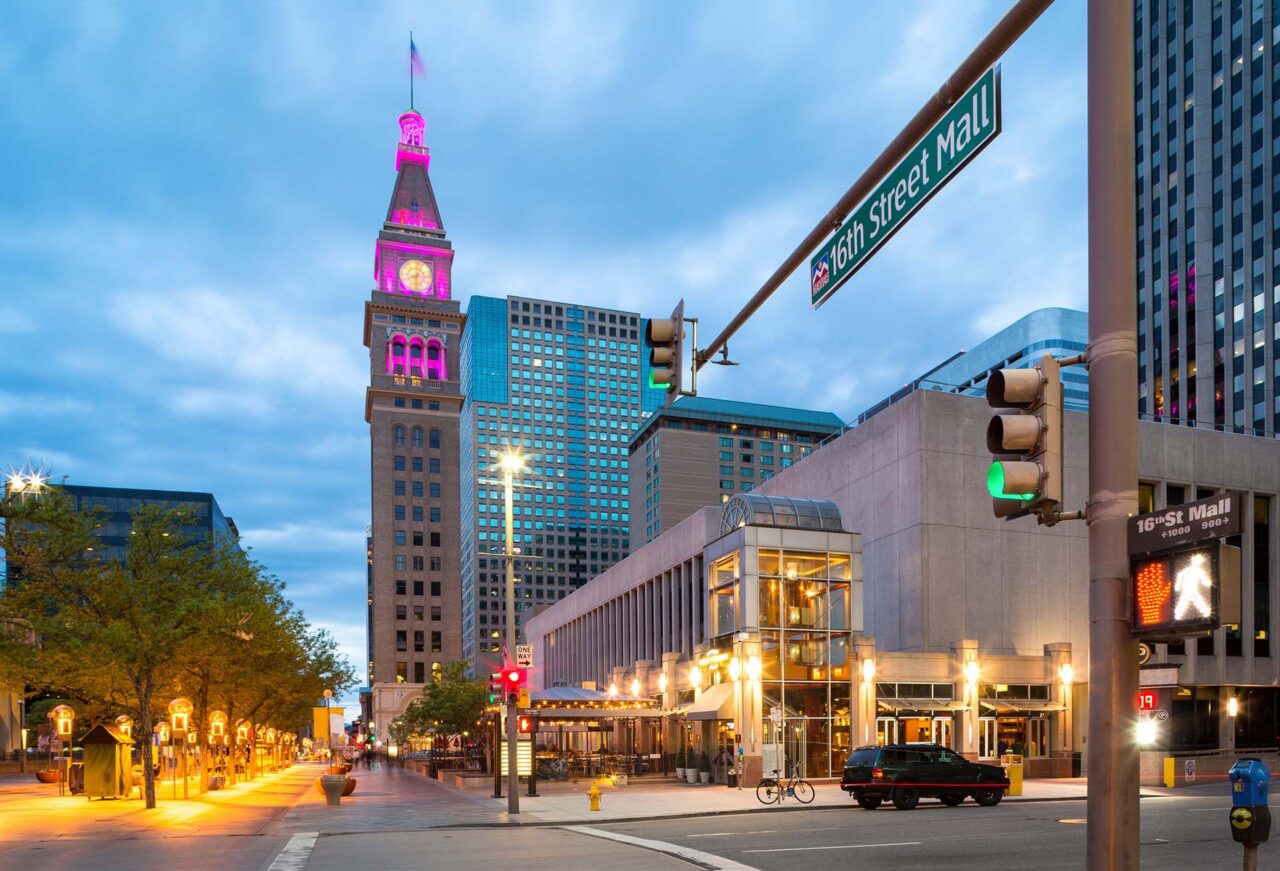
Denver is an arts and culture center.
Newcomers attracted by the outdoors lifestyle are often surprised to discover that Denver is also a true arts and culture hub. Besides some real standout destinations — such as Meow Wolf and Denver Art Museum — the city is filled with scores of great museums, galleries and cultural spots.
“One of my favorite activities is visiting the First Friday Art Walk each month on Santa Fe Drive,” Taylor said. “More than a hundred galleries open up, and the whole neighborhood comes alive to showcase the city’s rich cultural roots and resident artists.” Another artistic treat: “Anyone who visits Denver will quickly notice the street art,” she said. “You can see fantastic murals all across the city, but especially in RiNo, another great art district.”
You have the mountains on your doorstep.
There’s little doubt that having the magnificent Rocky Mountains so close by makes it easier for Denverites to avoid burnout. “Deer Creek Canyon is one of my favorite places, and it’s just in the foothills, literally a 30-minute drive away,” Taylor said.
She takes every opportunity to get out of the city and recharge, even if it’s just for a half-day or an overnight stay: “So many of Colorado’s finest features — the hot springs, ski towns, hiking trails — are virtually on Denver’s doorstep and easily accessible via a simple morning drive.”
And for Californians missing the ocean tides? “River surfing is really taking off along the Front Range, as more engineered whitewater parks add surfable features,” Davie said. “The idea is simply to surf a standing wave in the river, staying in place and working the face of the wave.”
In addition, several nearby lakes and reservoirs — including ones at Aurora, Chatfield and Big Soda — have sandy beaches and offer great swimming and water-based activities.
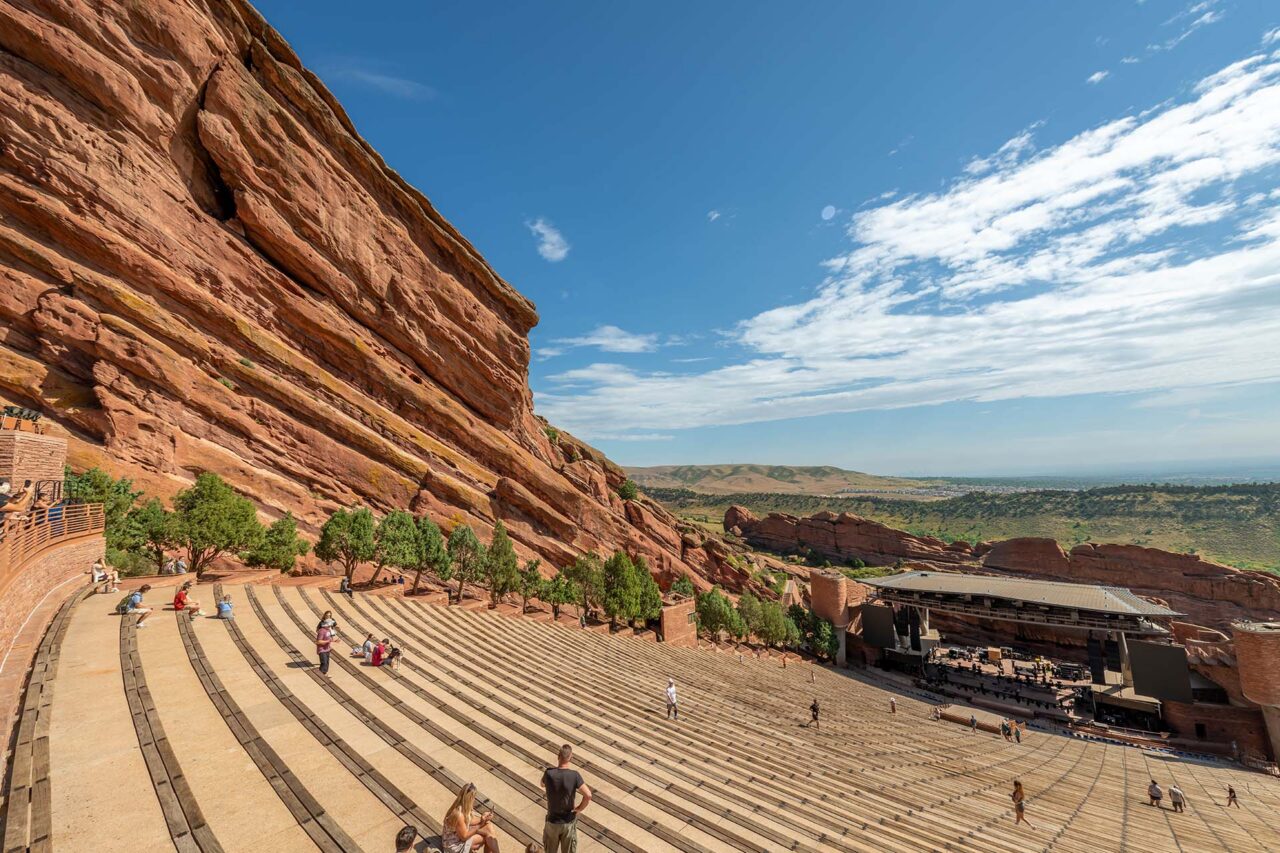
Red Rocks: An amazing concert venue.
“Every concert season, it hits me at least once just how fortunate I am to live so close to one of the world’s greatest destination venues, for both artists and fans,” Taylor said. “Just think: I can get a random night off work and go see somebody that the rest of the world would have to plan an entire trip around.” And even if the band isn’t your thing, just look at that view.
Sure, it’s one of the world’s best music venues, but did you know this incredible amphitheater also doubles as a massive, endurance-sapping outdoor gym? In warmer months, the giant sandstone formations serve as a backdrop for all kinds of runs and workouts (including the iconic mass Yoga on the Rocks classes).
There’s also a great range of hiking and biking trails set all around the surrounding park. And if you’re feeling especially zesty? “Each October, the Run the Rocks race takes you through some breathtaking mountain landscapes,” Davie said. “It’s also dog-friendly, so ideal for well-behaved pups wanting an active local adventure.”
Don’t forget, downtown has its charms, too.
With a Walk Score of 89, downtown Denver offers residents and tourists everything from amazing shopping on its 16th Street Mall to Broadway shows at the Performing Arts Complex to top-tier Michelin-star restaurants. And in the heart of it all, just steps from Ball Arena, Coors Field and two light rail stops, is Metropolitan State University of Denver.
“The campus is especially accessible for young adults living in the city,” Taylor said. “And I have been able to fit school into the rest of my life without needing to make radical changes to earn my degree.”
Oddly enough, the more time Taylor spends on campus, the more she now wants to stay there.
“I only wish I had gotten involved with student activities sooner,” she said. “No matter what field you’re studying, there are so many faculty and peers here who share the same excitement that you do.”