Future-proof: Why nutritionists are in such high demand
Growing interest in wellness and self-care have increased the appetite for qualified dietitians and nutritionists.
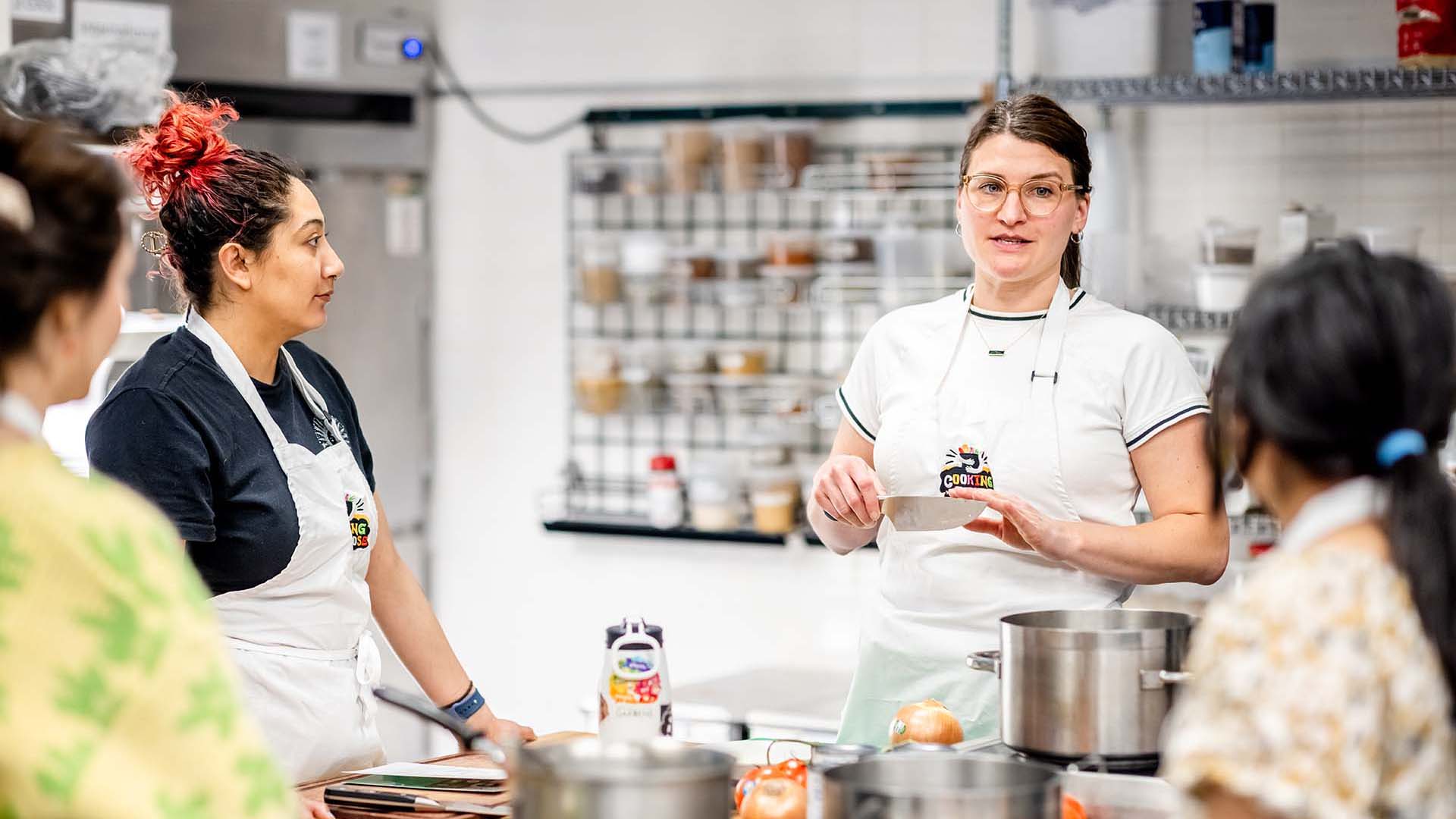
Editor’s note: Throughout the 2025-26 academic year, RED’s Future-proof series will focus on the critical role public universities play in preparing students for the jobs of tomorrow.
As Americans grow more health-conscious, the food-advice business is flourishing.
According to a recent report from the Federal Reserve Bank of New York, Nutrition Science majors currently have the lowest unemployment rate (0.4%) among college graduates.
Even more heartening, the U.S. Bureau of Labor Statistics projects that the employment rate for dietitians and nutritionists should grow 7% by 2033 — that’s faster than the average for all occupations, with around 6,100 new dietitian and nutritionist jobs opening up annually over the next decade.
So where has all this demand come from?
“Put simply, there is far greater public awareness about the importance of nutrition and a balanced diet than there was even ten years ago,” said Jonathan Padia, Dietetic Internship director of the Nutrition Department at Metropolitan State University of Denver.
“Given the interconnectedness of our everyday lives with news, social media and wellness programs, people are just exposed to so much more information,” he added. “And that has led to a surge in demand for professionals who can provide expert guidance on healthy eating.”

Besides becoming increasingly savvy about the positive benefits of nutritional balance, a growing number of Americans have also caught on to the importance of diet in mitigating negative forces.
“Most people these days intrinsically understand that a healthy diet could help them manage, or even prevent, a range of major U.S. health concerns such as diabetes, heart disease or obesity,” Padia said.
That understanding, he explained, has been key in putting dietitians and nutritionists at the forefront of the battle against these often-deadly conditions.
RELATED: Andrew Dole sets the table for victory in New Zealand rugby
Food experts also play an important role in combatting the misinformation that continually churns through our social media feeds. Faced with a steady stream of fad diets, dubious cleanses and ‘miracle’ weight loss cures, many Americans find it difficult to navigate between the good information and the bad, so they need help.
“Misinformation online is specifically designed to seem irresistible, either by promising quick fixes or using scare tactics to push people into unwise choices,” Padia explained. “In such an environment, the need for reliable, evidence-based advice from nutrition professionals is greater than ever.”
One sure indication of the nutrition industry’s success is how demand has spread beyond its former traditional settings of hospitals and healthcare facilities.
“Dietitians and nutritionists are increasingly finding new opportunities in entrepreneurship, corporate wellness, food industry consulting and, of course, virtual care,” said Anna Woolslager, who graduated from MSU Denver in 2023 with a Master of Science in Nutrition and Dietetics and now provides virtual nutrition counseling via the Foodsmart telehealth platform.
“Telehealth, in particular, has made it possible for us to reach people who previously wouldn’t have access to nutrition counselling and that accessibility is in turn creating more demand for qualified experts,” Woolslager said.
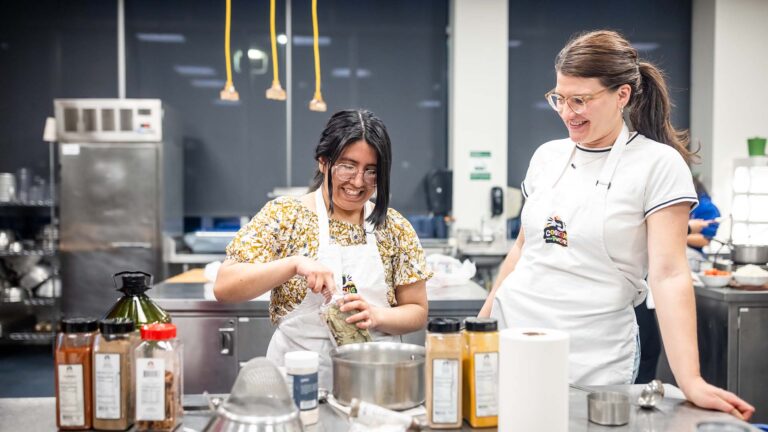
At the same time, the growing private practice sector is giving food professionals new flexibility and recognition, which is helping the whole field of nutrition and dietetics to gain momentum and visibility.
“I think we’ll continue to see dietitians and nutritionists play a bigger role, both in individual health and broader wellness initiatives,” Woolslager said. “Looking ahead, these opportunities are only going to grow and develop further.”
RELATED: Though tasty and convenient, ultra-processed foods come at a cost
Given the bright prospects for this blooming industry, what would Woolslager say to someone considering following her lead by pursuing a Nutrition degree at MSU Denver?
“I would tell them that, besides offering a solid scientific foundation, the program fundamentally helped me to understand how culture, access and systemic factors shape people’s ability to make healthy choices,” she said. “And that has been invaluable in guiding how I now approach my clients.”
Woolslager is also adamant that the support and mentorship she received from her professors in the Department of Nutrition — who, she says, challenged her to see nutrition care through a diverse and policy driven lens — were instrumental to her success.
“The guidance and networking opportunities I gained at MSU Denver have shaped my career in powerful ways,” she said.
“I would not be where I am today without those wonderful faculty and staff members, so if you’re considering a future in this field, there’s no better place to start.”