‘Snake whisperer’ strikes back at negative stereotypes
An affinity for reptiles made Biology student Claire Tiemann an essential part of cold-blooded animal research on campus.
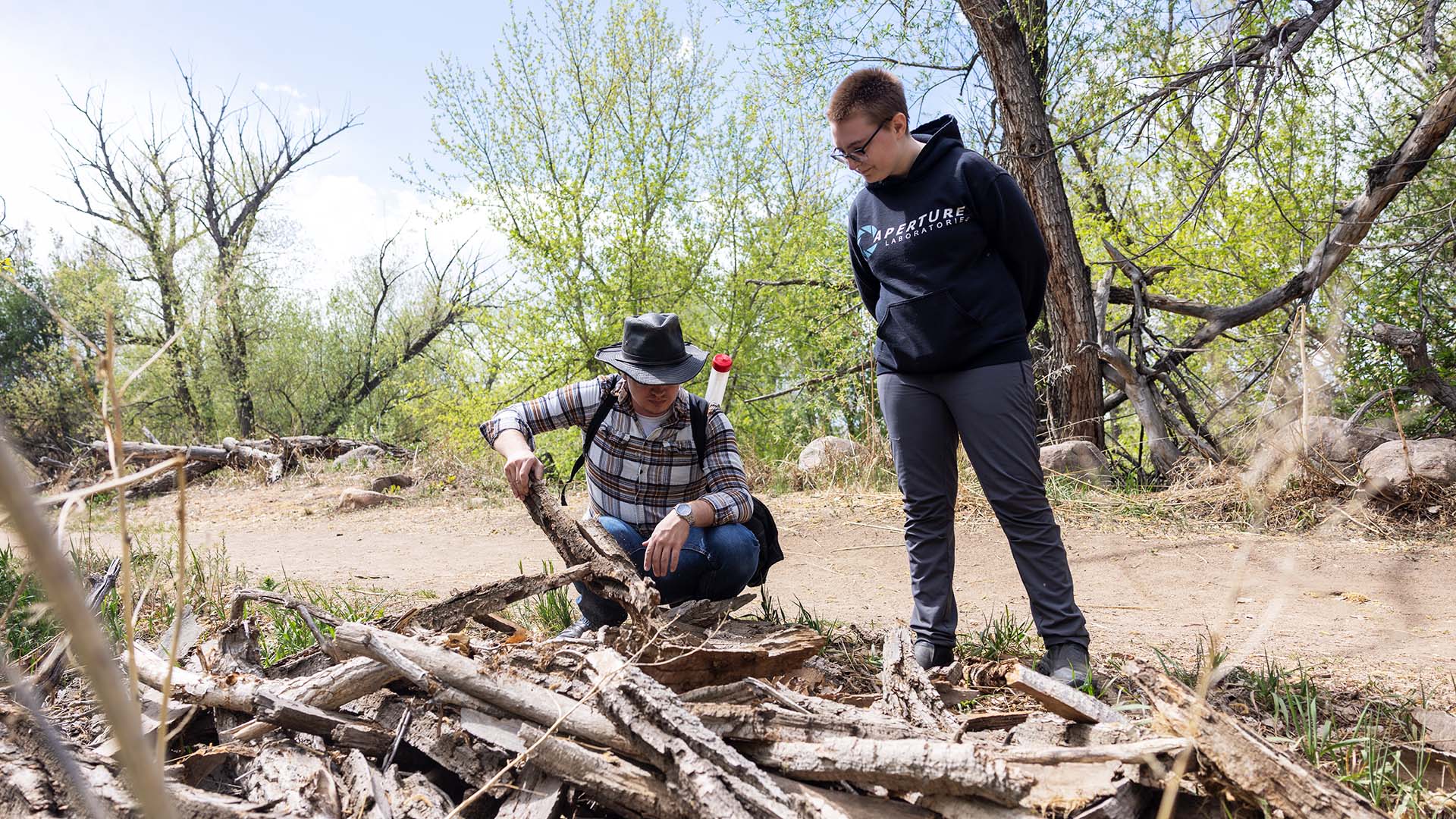
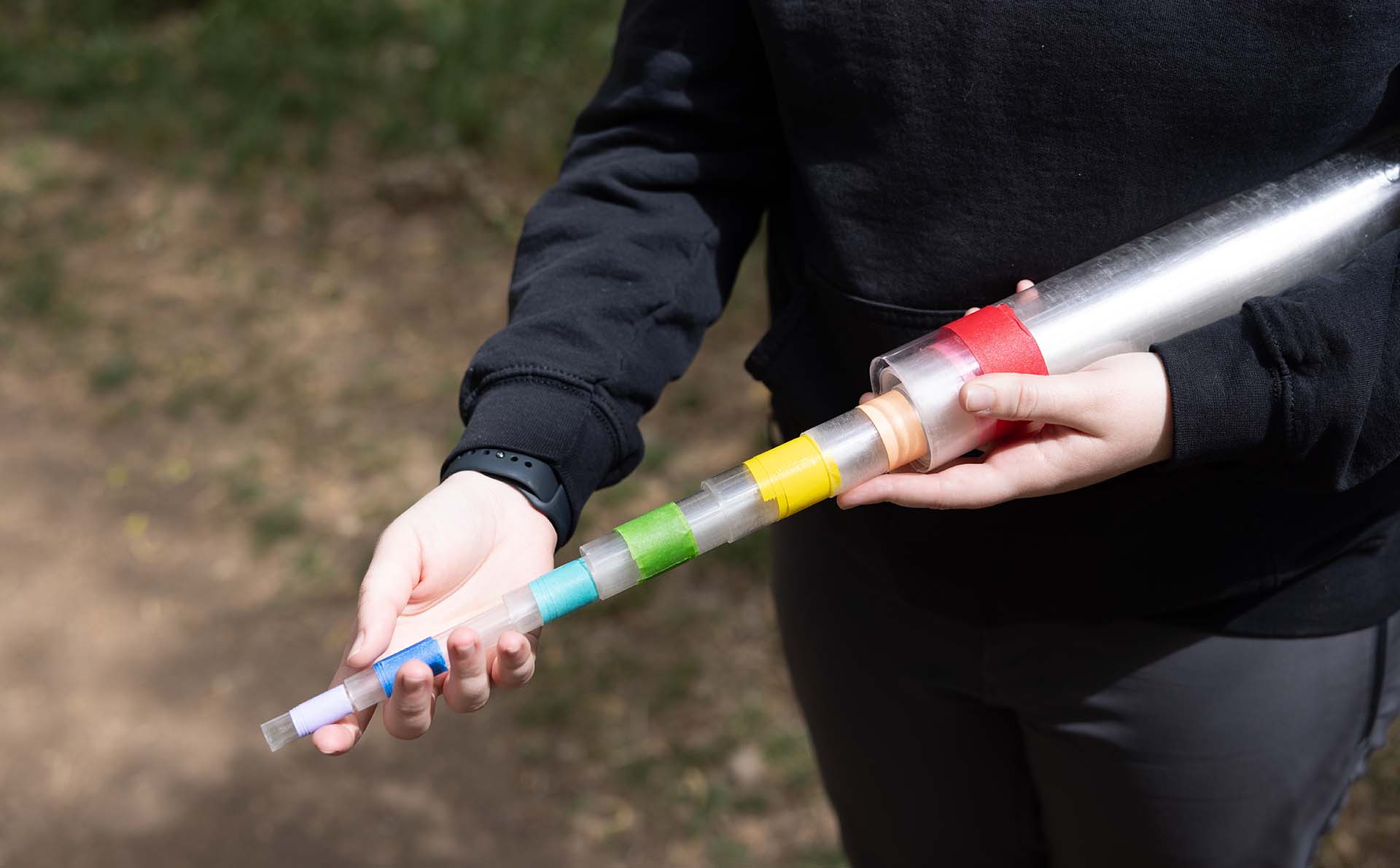
Most afternoons, you’ll find Claire Tiemann at Bear Creek Greenbelt Park in Lakewood. But the Biology student won’t be mountain biking or tossing a Frisbee. They’ll be crouched near a shrub, listening for the distinct auditory pattern that can belong to only one creature: a snake.
Tiemann, who uses they/them pronouns, is affectionately known by Metropolitan State University of Denver faculty and peers as the “snake whisperer.” That’s because they’ve proven to be the best at finding and catching the elusive reptiles needed for campus research projects.
“Animals are a bit finicky, and the hardest part of doing research on them is finding them,” Tiemann said. “That’s one thing that many of my professors and I have discussed — how we could get so much more done if we could just find the animals.”
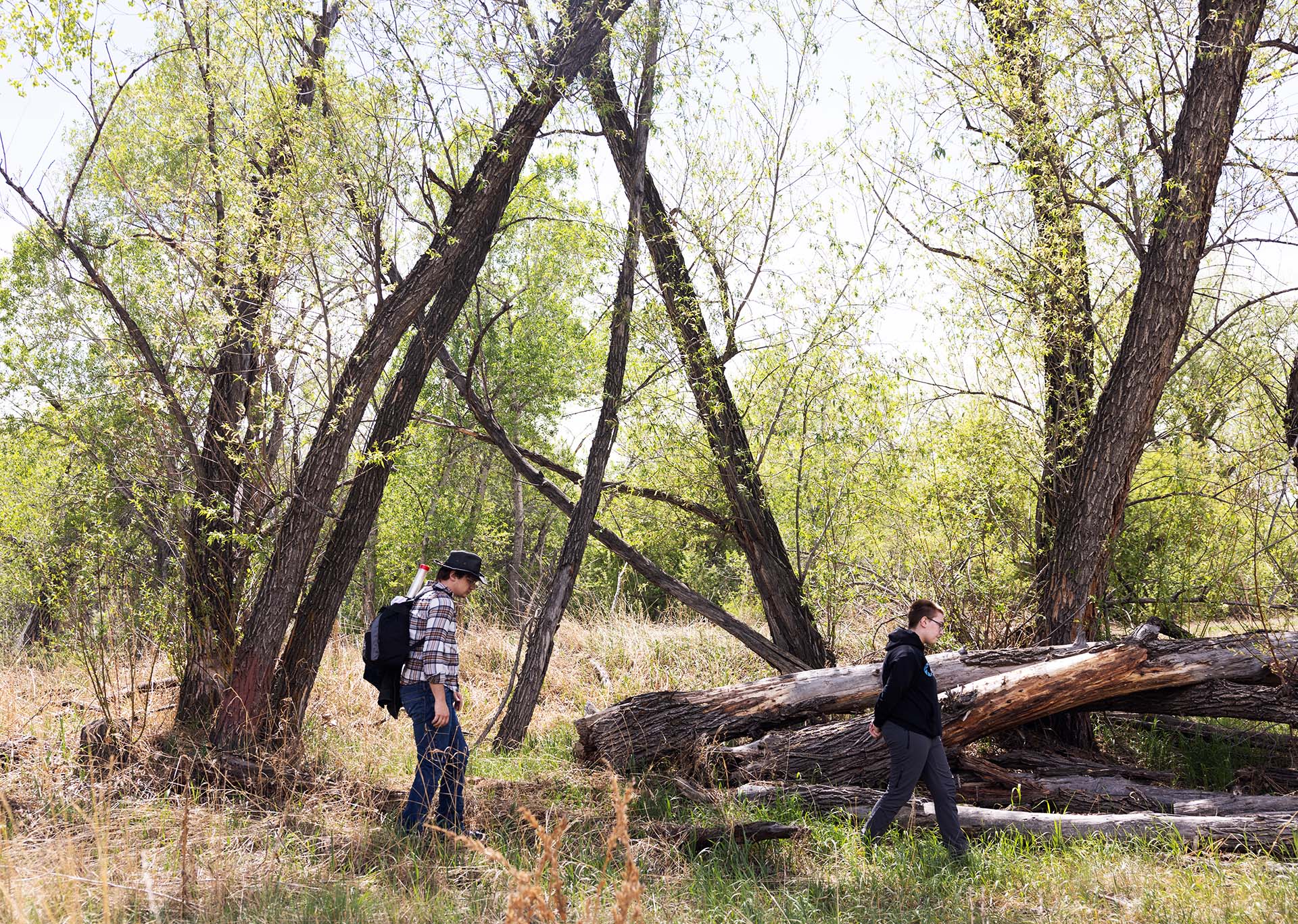
Tiemann has been so helpful in finding snakes that it’s allowed Jennifer Gagliardi-Seeley, Ph.D., chair and professor of the Biology Department, to complete research on garter snakes that is being finalized for publication.
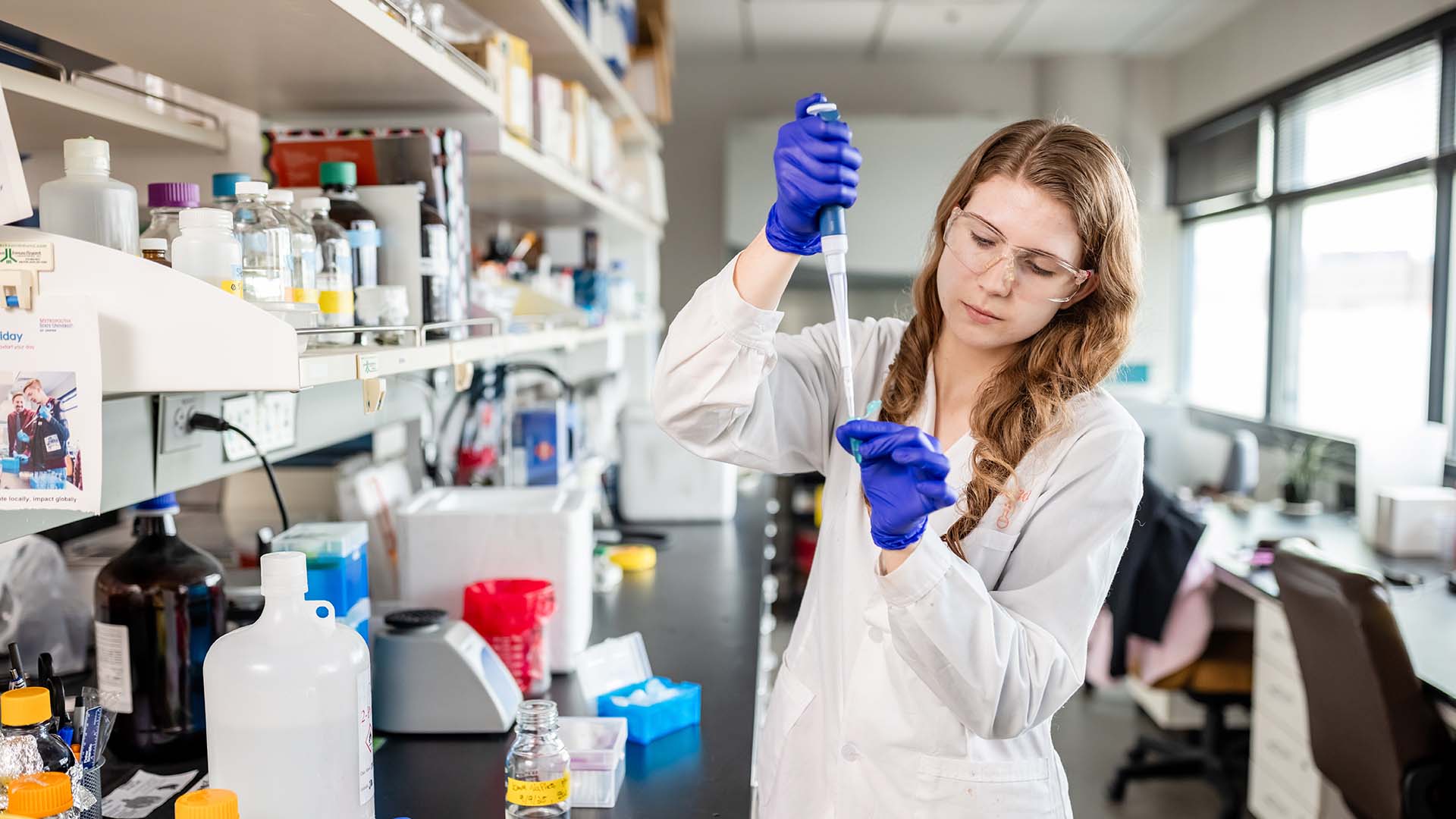
In fact, Gagliardi-Seeley recommended Tiemann to another faculty member, David Merriam, Ph.D., assistant professor of Biology, to help with his research on snake gut microbiomes. Now, just weeks before graduation, Tiemann continues to collect and swab snakes for Merriam and his microbiology classes.
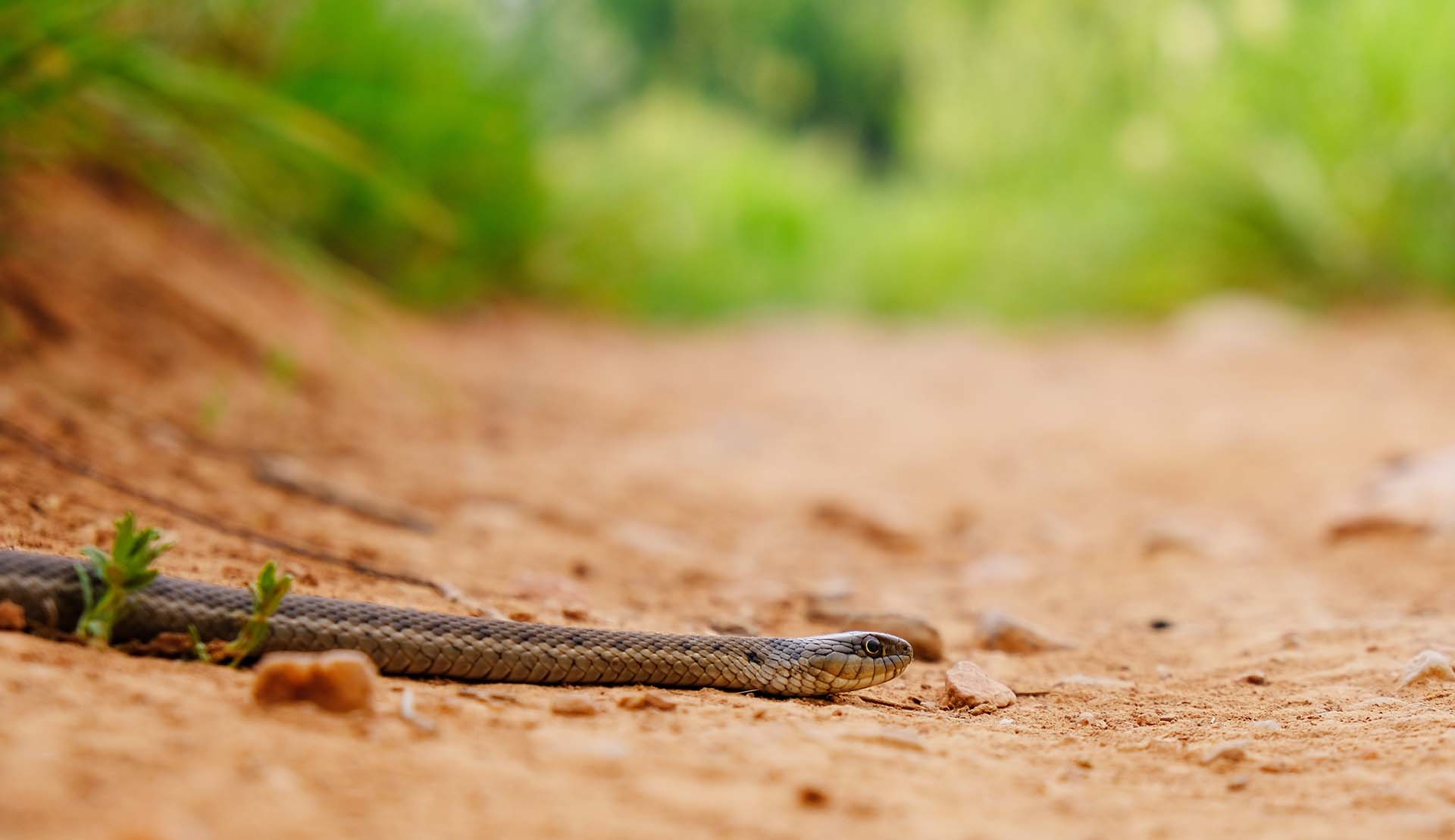
As a child, Tiemann initially wanted to become a paleontologist and study dinosaurs, but over time, they grew to appreciate still-living reptiles, including their first reptile pet, an African fat-tailed gecko named Daylily.
“I’ve always been a fan of some of the less popular animals,” Tiemann said. “And once I got my first pet reptiles and explored the hobby trade, and then, over time, moving on to the more scientific side of things, I just realized that they had been pretty understudied and underappreciated.”
As a self-described “strong introvert,” Tiemann also identified with reptiles’ tendency to stick to the shadows. They came to MSU Denver lacking confidence and a support system. During their first semester, they were in foster care, without family or friends. Luckily, they were quickly connected with campus resources, including the College Works and Epic Scholars programs. By year two, they’d earned a scholarship through the Reisher Scholars Program and started living on their own.
RELATED: Independent students are on the rise at MSU Denver. This program provides support
“The Reisher Scholarship Program has been hugely instrumental in allowing me the financial stability to not have to use the food pantries frequently, being able to afford some hours where I’m able to put it towards research and more of the extracurricular activities instead of having to go directly to work,” Tiemann said. “Without the Reisher Scholars Program, I don’t think I would have been able to accomplish as much as I have been able to.”
Soon, Tiemann was a fixture in the Biology Department, and professors knew them (and their cats), which had a huge impact on their confidence and sense of belonging.
In January, Tiemann traveled to Costa Rica on a Study Abroad research trip with Gagliardi-Seeley’s class. There, they identified three snakes that even the guides couldn’t name: a red-bellied litter snake, a neotropical rattlesnake and a sea snake, which Tiemann said is extremely rare to see because they’re “pretty much fully aquatic.”
The trip gave Tiemann a glimpse at the type of environment that will likely play a role in their future. They want to study the types of large carnivorous lizards that are most common in tropical climates. This includes the Varanus genus of monitor lizards and the crocodilians, which, Tiemann said, may be the first reptiles whose use of tools has been documented.
“I think it’s a huge marker that we’re underestimating their cognitive capacities,” they said.
Ultimately, they’d like to attend graduate school to explore research that could help reptiles, especially those in captivity. Reptiles in zoos and aquariums aren’t provided with enrichment because it isn’t considered necessary for their care, Tiemann said. They believe reptiles would benefit from enrichment, just like every other animal at the zoo, but recognize that more research is needed.
One day, Tiemann may be able to fill that gap. Meanwhile, they’re on a mission to make the world a more reptile-friendly place.
“A lot of the negative stereotypes around reptiles are just a misunderstanding or a miscommunication and don’t have any basis in reality,” they said. “And I think that with a little bit more accurate information, that hopefully more people will come to appreciate them like I do.”