Playhouses invite kids and adults to embrace imagination
Sculpture grad Rudi Monterroso began building the structures during Covid following a thriving art career.
This story appears in the spring 2026 issue of MSU Denver Magazine.
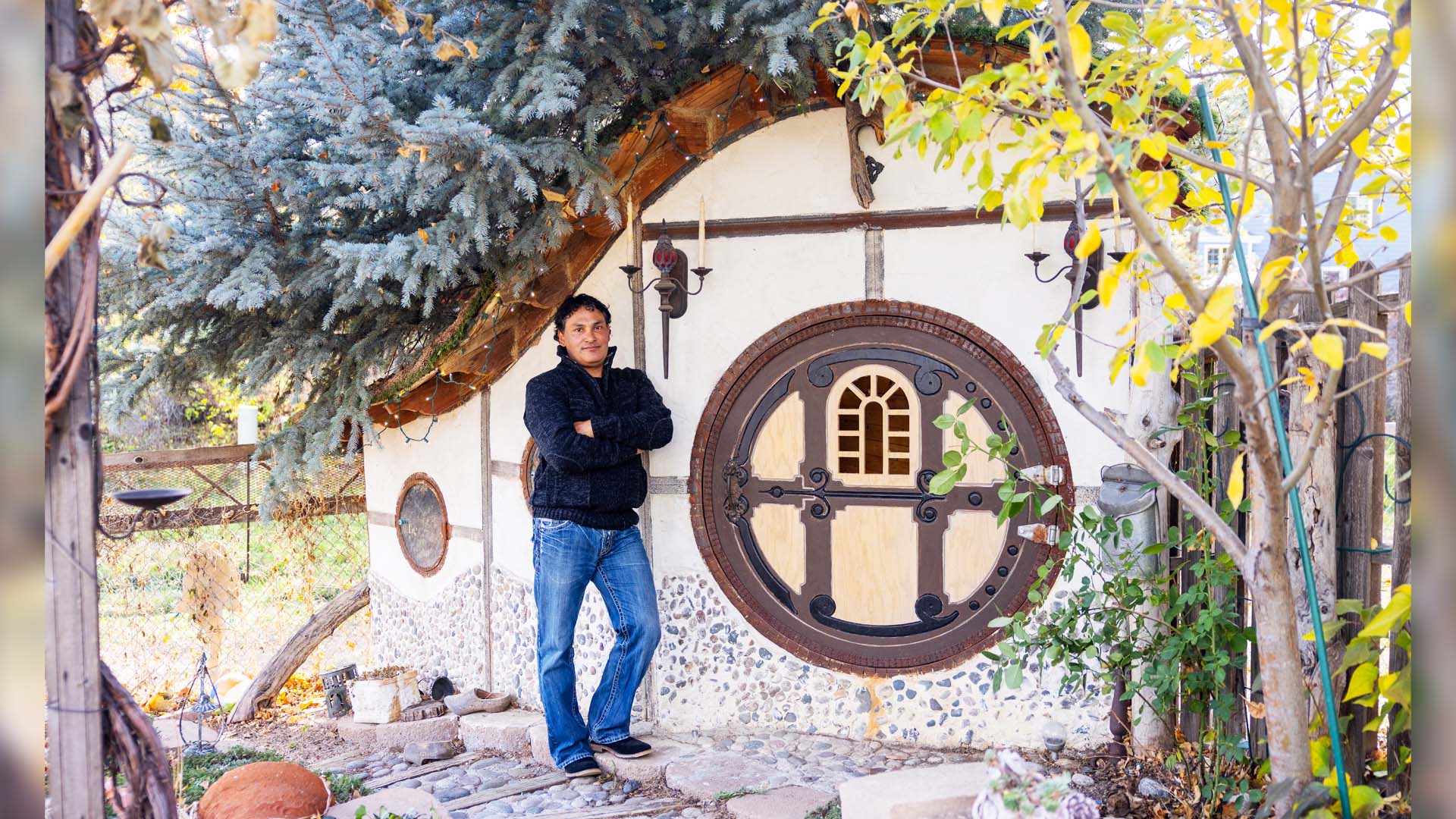
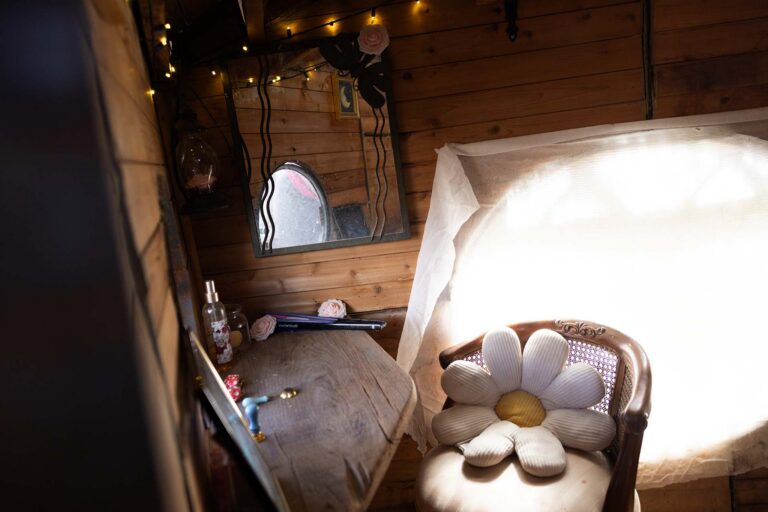
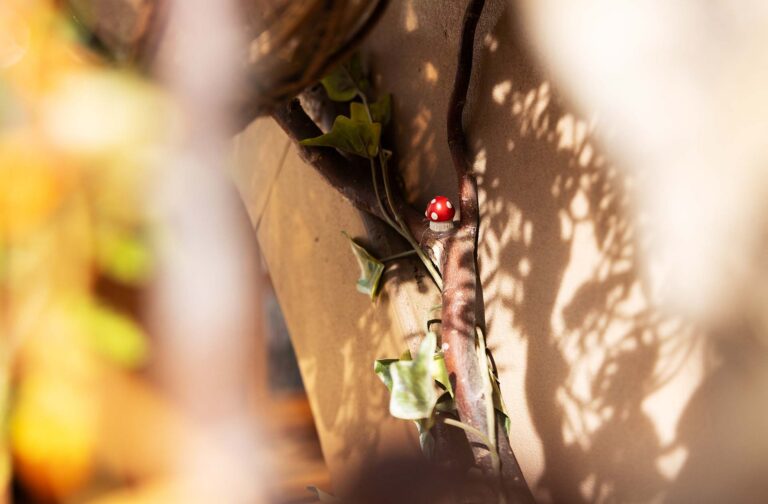
The whimsical, shire-esque structures Rudi Monterroso builds are straight out of a fairytale. They are the type of playhouses kids (and adults) dream of stepping into and escaping the real world in favor of an afternoon of make-believe.
Turns out, his enthusiasm for the magic of the imagination is as contagious as its origins are unexpected.
Growing up in the 1980s amidst the Guatemalan Civil War, Monterroso’s family was incredibly poor. Lacking toys and with the danger of being recruited by the army or cartel limiting neighborhood play, Monterroso and his friends found refuge in the structures they built with found materials behind their homes.
“We’d play in them for hours. The younger kids were convinced those spaces were safe because they felt so alive,” said the 2013 Metropolitan State University of Denver graduate. “Unconsciously, we created a haven for them to use their imaginations.”
In 1992, Monterroso headed to the United States to escape the horrors of war. He was deported seven times, spent a month and a half at the border and, at one point, got lost in the desert for three nights and four days, nearly dying. “All of those experiences taught me perseverance,” he said.
Settling in Boston, Monterroso earned a degree in Criminal Justice and worked in a juvenile detention center, wanting to help young people and “save the world.” Corruption, the lack of a rehabilitation program and the kids’ belief that they were destined to become criminals left him discouraged.
Monterroso enrolled at MSU Denver after moving to Colorado in 2004 with his wife. Driven by the belief that he could positively influence children’s futures and change people’s perception of Latinos by setting a positive example as an immigrant, he majored in Art Education and taught art and Spanish at the Auraria Campus Early Learning Center.
Wanting to fulfill a lifelong dream of becoming an artist and undeterred by his colorblindness, Monterroso enrolled in a painting class. He would paint for three hours or more every day, attempting to overcome the difficulty of figuring out the colors. Disappointed about finishing the semester with a C-, average he changed his major and earned a degree in Sculpture.
RELATED VIDEO: Sculpture is a hot topic at art departments’ Iron Pour
Following graduation, Monterroso taught to pay the bills while pursuing painting. He also freed himself from believing being colorblind was a weakness by training his brain not to think about color, instead, focusing on light sources.
“Sometimes, what you think of as weakness is actually your uniqueness,” said Monterroso, who showed his artwork in exhibitions around Denver. “If you are able to embrace your uniqueness, that’s where you can put your strengths and do something different.”
When severe tendonitis and carpal tunnel threatened his craft, he combined mindfulness with his skills honed as a flamenco dancer to paint with his feet, even conducting live demonstrations at the Denver Art Museum. When the music began and he sensed the paint beneath his feet, the world fell away. “I could hold onto that moment without thinking of the people around me,” he said about overcoming his shyness.
At the start of 2020, Monterroso had a thriving career as an artist and teacher, with 20+ art shows and presentations on the docket. Then, the pandemic hit, cancelling everything; he lost his job and gallery. Depressed, Monterroso left painting behind and returned to a childhood love of building; he sold everything to make one-of-a-kind playhouses, starting with one for his kids.
“I wanted them to have a space where they can use their imagination and feel free and play — those memories are priceless,” said Monterroso, who builds the playhouses big enough that parents can join their kids. “Now that they’re older, they use the space for doing homework or hanging out with friends.”
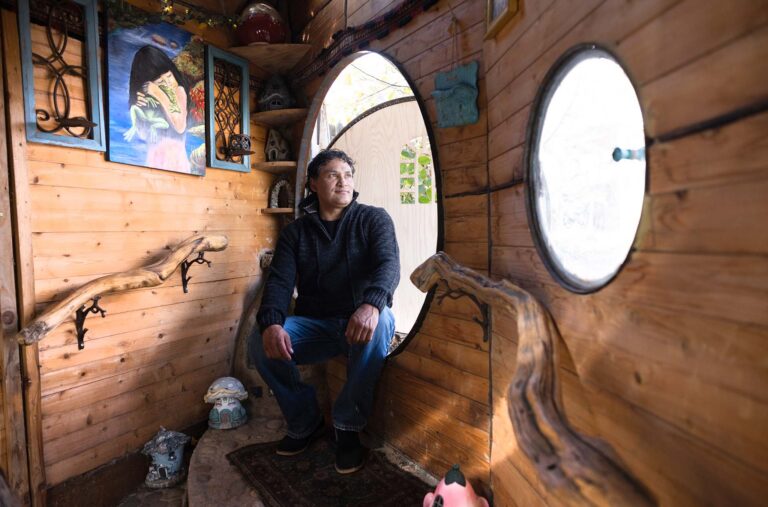
Monterroso is unsure what the future holds. He currently teaches in two schools and continues building playhouses, ensuring future generations stay connected to the magic of their imaginations. One thing he is certain of is the importance of always moving forward and learning by welcoming different techniques, skills and mediums.
“If you don’t embrace your perseverance, you get stuck at being good,” said Monterroso. “But you don’t want to be good. You want to be amazing at what you do.”
“Talent is absolutely nothing if you don’t do anything.”