MSU Denver students break with spring break tradition
This month, seven MSU Denver students are trading beaches and brews for a week of service in Guatemala.
For most students, spring break is a time to cut loose, relax and have fun.
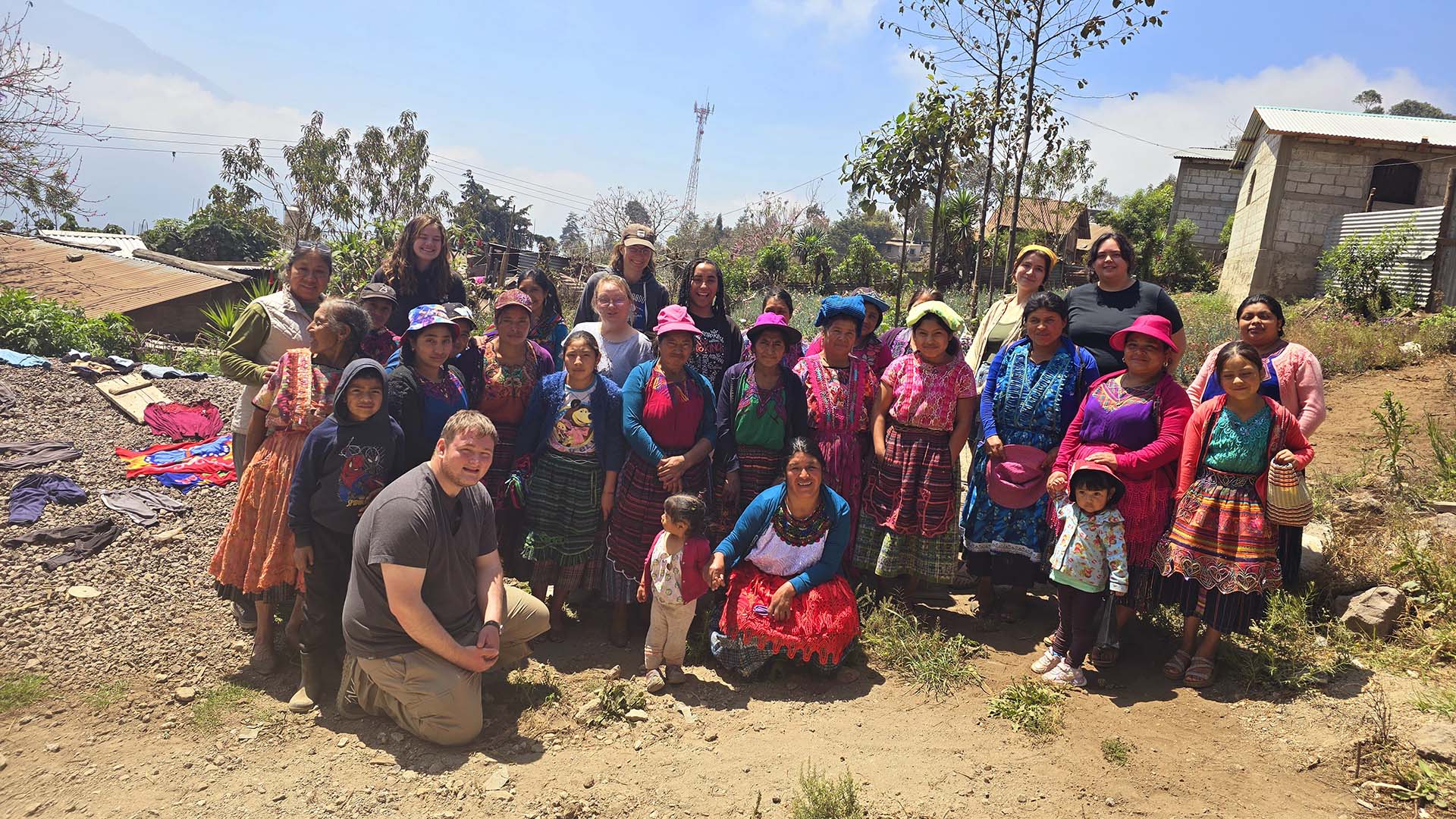
But for those looking for something more meaningful than the perfect mojito, the Alternative Break Program has some tempting alternatives. This spring, for example, the Metropolitan State University of Denver students participating in the program will be doing community-building, and potentially lifesaving, work with Guatemala’s Maya communities.
“This annual program gives students an opportunity to travel, serve vulnerable communities and gain a one-off cultural education, all in the space of a week,” said Shayla Bischoff, program manager for Undergraduate Studies at MSU Denver and leader of the University’s upcoming trip to Guatemala.
Past spring break locations have included an animal sanctuary in Utah, a youth project in South Dakota and another addressing chronic poverty in the San Luis Valley.
This year, seven MSU Denver students will work alongside Highlands Support Project, a service-led nonprofit organization, to do “basically, whatever is needed,” said Bischoff, who is president of the HSP board.
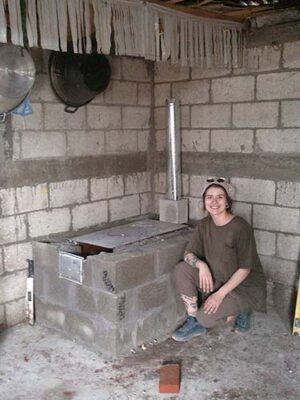
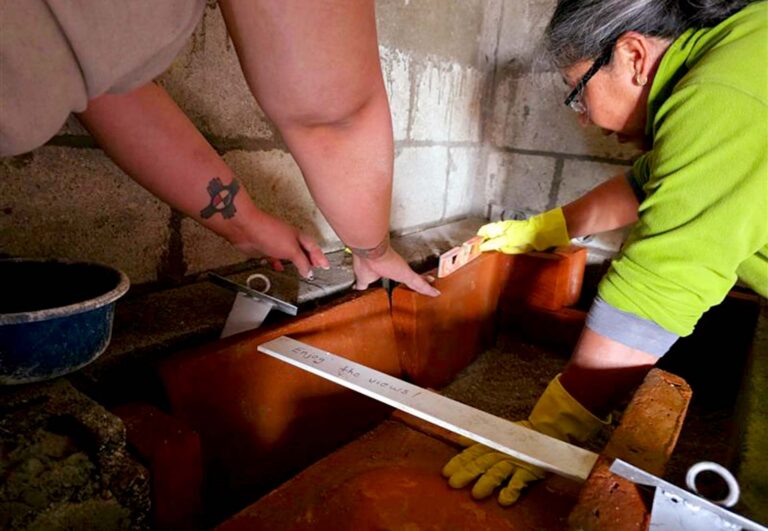
“We’ll be going into people’s homes to help build smokeless stoves because that’s a major focus of HSP’s work in the region,” Bischoff explained. “But we might well also find ourselves digging wells, planting trees or installing latrines — and we’ll definitely spend some time running fun workshops with the local children.”
The group will stay in a community center in the heart of the village, eating, working and living alongside the residents.
Between 1960 and 1996, an estimated 200,000 Maya civilians were killed by Guatemala’s government forces during a brutal civil war centered on land-use rights.
Since then, the Maya have made significant strides rebuilding their society and reasserting their autonomy. Often, they partner with outside agencies, such as HSP, to collaborate on community-building projects and bring positive change.
“We’re not traveling there to ‘fix’ communities but to work alongside them, while also learning from their experiences and better understanding their historical context,” Bischoff said. “At their best, these trips should always be a two-way street.”
The students also know that there’s solid work ahead. “I’ve told everyone to pack some boots and work clothes, and be ready to roll their sleeves up,” Bischoff said. “This will definitely be a working holiday.”
RELATED: Spring break program provides students with meaningful experiences
Installing new stoves, a priority of HSP’s work, might sound useful. But it’s actually a much bigger deal than that.
“The two leading causes of death in our Guatemalan partner communities are upper respiratory infections and waterborne contaminants,” Bischoff said. “Both these conditions are linked to the practice of cooking on open pit fires in tiny, unventilated homes.”
HSP’s new stoves have been designed to safely channel the thick cooking smoke out of families’ unventilated brick dwellings, via a special chimney. It’s a small detail but it can make a lifesaving difference.
When Bischoff first visited Guatemala with the Alternative Break Program two years ago, she was particularly struck by the close parallels between her own Native American heritage and Maya culture.
In light of that, she’s excited to see how this month’s trip might benefit the latest group, most of whom are women and all of whom are students of color.
“I’m feeling both excited and nervous because this will be my first out-of-country trip,” student Kalise McCurry said. “But I also think it’s really important to experience things outside of your everyday life.”
Fellow student Soncee Waters is excited about every aspect of the trip, even raising the money to fund it.
“As a Cheyenne and Oglala Lakota woman, the fundraising effort was part of what has made this experience so special for me,” she said. “My mom and I contributed some beadwork for sale, which was really meaningful because it gave us a way to share a little bit of our culture with others.”
Bischoff is keenly aware that, in today’s hyperpartisan and online world, students can put on “cultural blinders” and become wrapped up in their own social groups and dictated algorithms. She’s hopeful that embracing a different culture will give her group a broader outlook.
“This trip will provide a unique opportunity to see how Maya people — in the face of enormous challenges spanning decades — still managed to preserve their language, music and powerful sense of identity,” Bischoff said. “I hope our students will find important lessons in such an example that could apply to their own lives.”
McCurry agrees, and anticipates that immersing herself in a new culture will be an eye-opening experience.
“I think it will teach me a lot, not only about what happens in other cultures but also about the privileges we have in the United States,” she said. “We can get so stuck in our everyday lives that we forget about all the amazing things out there in the world.”
Waters, meanwhile, is just keen to get started. “Having grown up with a very strong sense of cultural identity, I can’t wait to experience a completely different culture,” she said. “This will be our chance to see the world from whole new perspectives.”