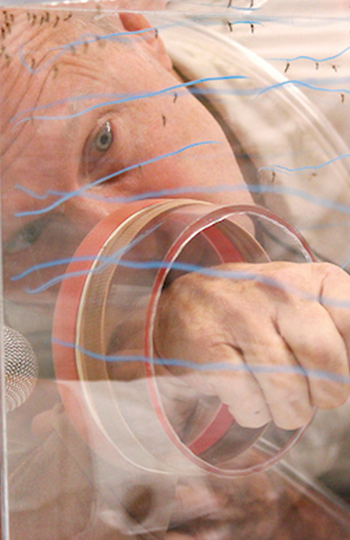
What you need to know about ticks as the weather heats up
MSU Denver Biology professor explains how Colorado’s warm, dry winter may affect insect activity and how residents can protect themselves.
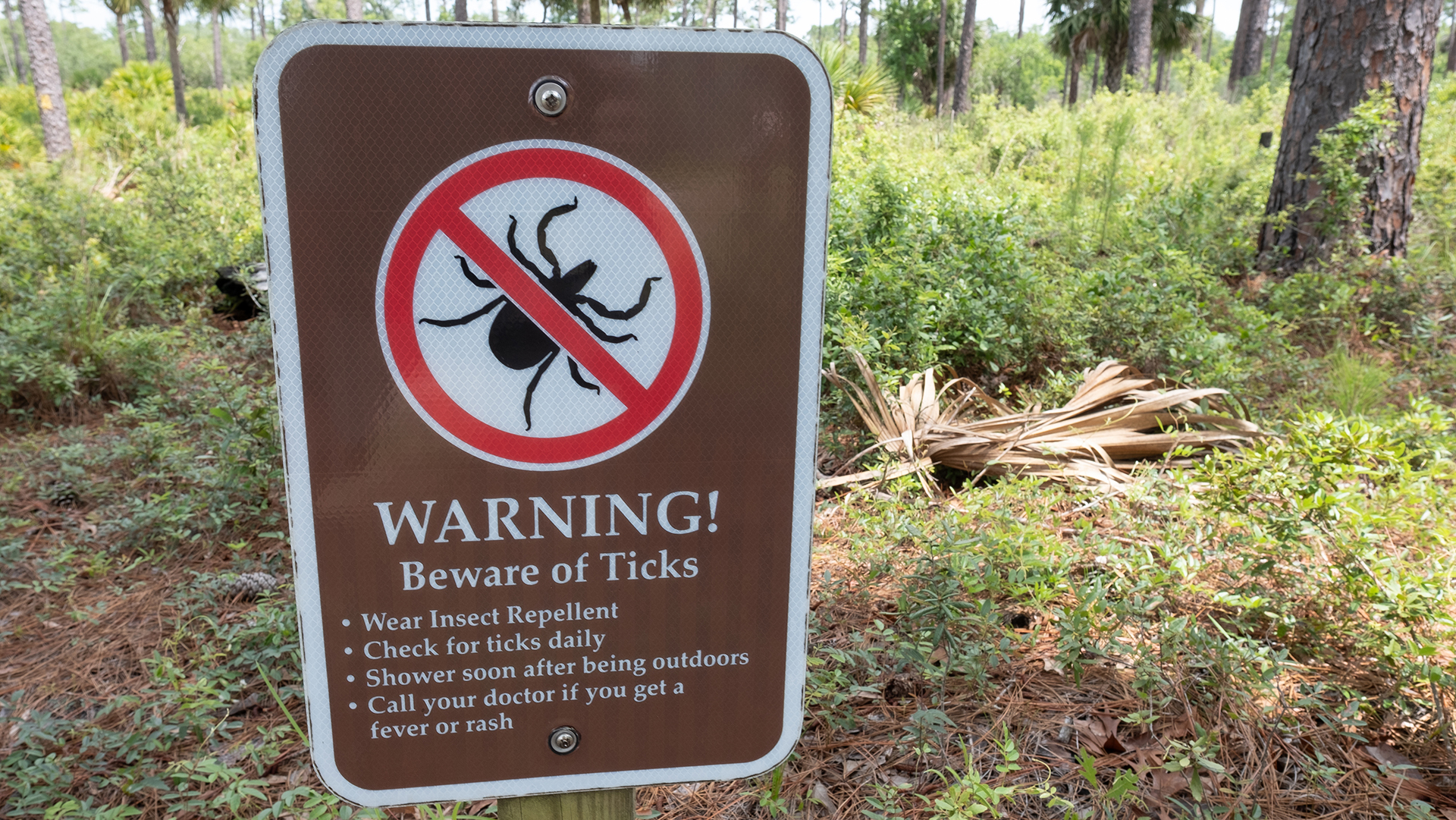
They’re tiny, almost invisible. But that doesn’t mean ticks are harmless. In fact, when certain types of the little bloodsuckers latch on to you — or your dog — they can make you both pretty sick. And this spring, thanks to Colorado’s unusually dry and warm winter, they’re out in force.
But according to Metropolitan State University of Denver Biology Professor Robert Hancock, Ph.D., there are several misconceptions about how warmer weather affects these pests and the risks they pose.
“April and May are actually peak tick activity months in Colorado,” Hancock said. “What people are noticing right now is not necessarily unusual.”
The bigger question, he explained, is whether there are actually more ticks this year or simply more awareness and reporting. Increased public outreach from state and local health departments may be contributing to that awareness.
Ticks are tiny parasites that live off the blood of mammals. During the course of their blood sucking, they may ingest bacteria or pathogens, which they can transmit to future “hosts.”
Not all types of ticks carry disease. One of the most well-known tick-caused illnesses is Lyme disease. While Colorado is not considered a major Lyme disease state, ticks also can infect people with other illnesses, including Rocky Mountain Spotted Fever, anaplasmosis and more. Those conditions, which generally involve symptoms including fever, body aches, rashes and nausea, can be serious or sometimes even fatal.
Ticks are heavily influenced by environmental conditions, especially soil temperature and humidity. Those factors determine when ticks leave their winter refuge and begin searching for hosts.
Warmer, dry winters affect tick activity, but Hancock said the relationship is more complicated than that. “The weather crystal ball is foggy,” Hancock said. “Warming comes with both increases in tick activity and decreases in [tick] survival.”
One reason is that ticks spend most of their lives not feeding off hosts. In laboratory conditions, Colorado ticks can complete their life cycle in about nine months. In nature, however, the process usually takes closer to three years. During that time, they spend only about one month feeding on animals or humans.
“The number one enemy of ticks during these lengthy off-host periods is death by desiccation,” Hancock said, referring to drying out.
RELATED: Experts sound the alarm on Chagas disease. Should Coloradans be alarmed?
Although dry conditions kill many tick larvae, plenty survive. A single engorged female tick can lay as many as 8,000 eggs.
That is why Hancock encourages people to stay vigilant outdoors, especially during spring hikes and dog walks. Pets can increase human exposure to ticks because they often carry them back from grassy or wooded areas.
“Dog owners are becoming more and more exposed by going to ‘ticky’ places with their dogs,” Hancock said.
To reduce the risk of tick exposure, Hancock recommends taking the following steps for people and pets:
- Wear light-colored clothing outdoors so ticks are easier to spot
- Wear long sleeves and long pants
- Tuck pants completely into socks
- Apply permethrin spray, a tick-killing insecticide, around socks, ankles and pant cuffs
- For dogs, tick collars are effective for several months
- Tick shampoos kill ticks that are on your pet at the time of bathing, but don’t provide long-term protection
“Colorado currently has more prey than predators in many regions,” Hancock said.
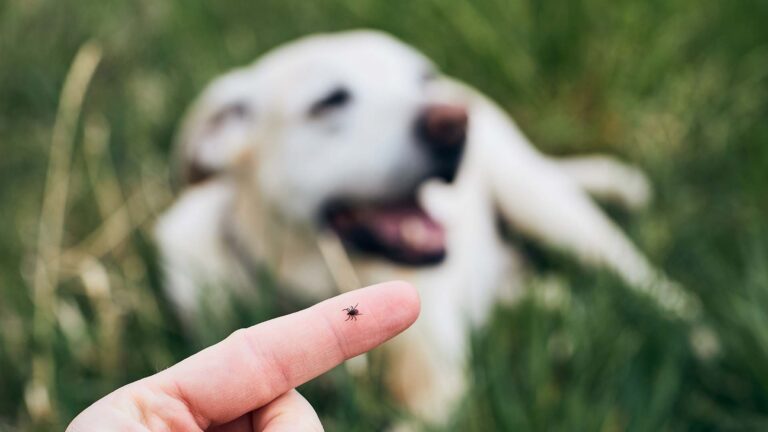
After spending time outdoors, Hancock advises people to check themselves and their pets carefully for ticks. He said immature ticks can be as small as poppy seeds, making them easy to miss.
He also recommends paying attention to unusual skin irritation or bullseye-shaped rashes and seeking medical attention if symptoms appear.
Hancock said awareness and prevention remain important as weather patterns and ecosystems continue to change.