Future-proof: Care remains at the core of nursing
The next generation of nurses is being prepared to use new tech — and ensure the patient remains at the center of clinical work.
Editor’s note: Throughout the 2025–26 academic year, RED’s Future-proof series will focus on the critical role public universities play in preparing students for the jobs of tomorrow.
In a landscape increasingly shaped by automation and artificial intelligence, one profession remains both indispensable and in high demand.
“Nursing is about people, relationships, teaching and clinical judgment — things AI simply cannot do,” said Jenny Allert, DNP, professor and chair of the Metropolitan State University of Denver Department of Nursing. She views AI as a powerful tool, one that can streamline data and reduce mundane tasks, but not as a replacement for the core human skills nurses bring to care.
As the population ages and health care demands expand, the field is positioned to remain among the most sought-after professions in the country. This combination of rising demand and persistent shortages means job security and opportunity for nursing graduates will remain strong — even as technology reshapes other sectors of the economy.
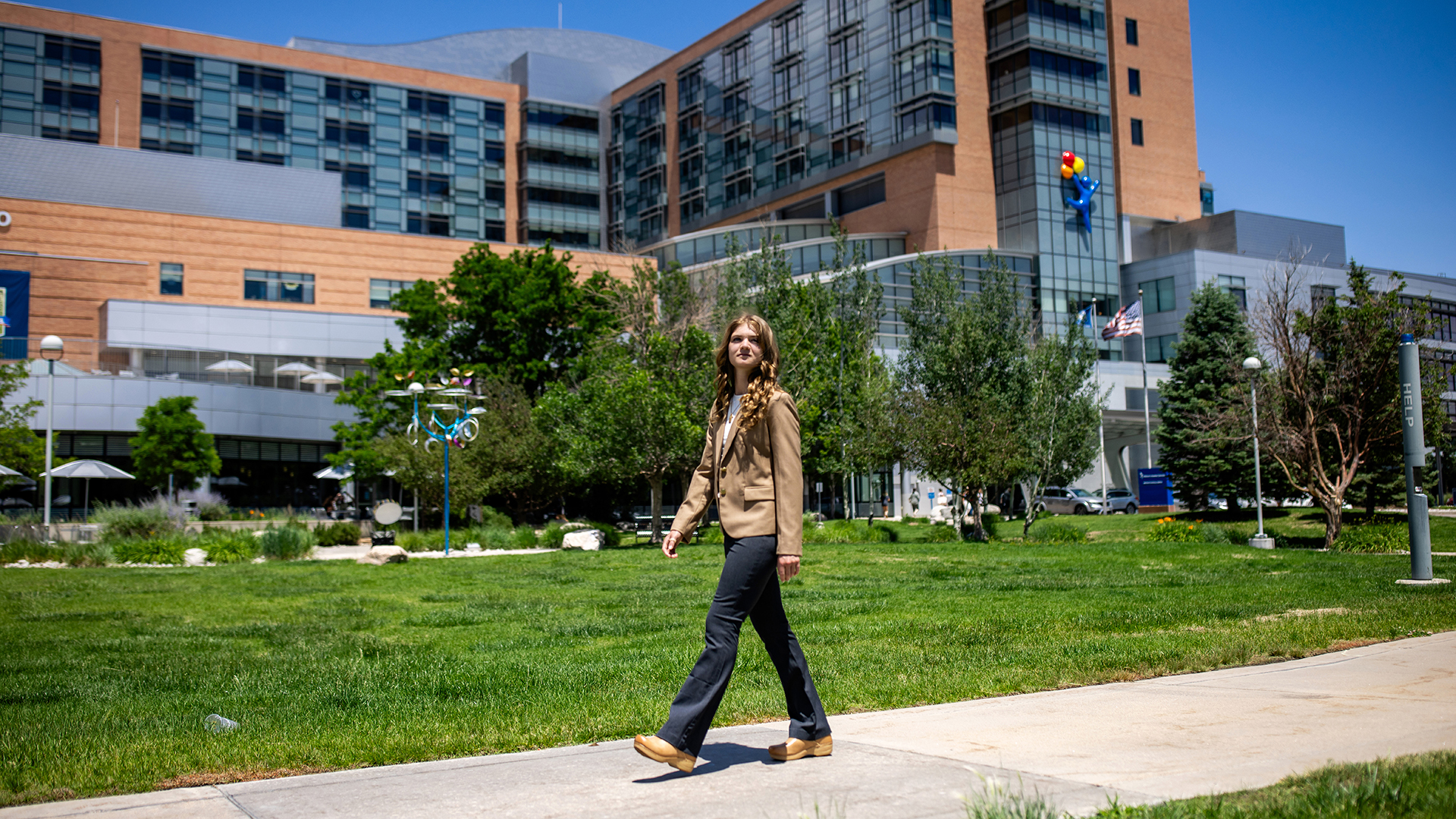
For students such as Marisa Schreiner, president of the MSU Denver Student Nurses Association, the opportunity to contribute to health care’s future using tech as a tool is both exciting and real.
“It can be overwhelming to research a specific scenario, but AI can help narrow results down to the most evidence-based and reliable sources,” Schreiner said. But she echoes a common refrain from educators and students: Technology must support, not overshadow or replace, the human dimensions of nursing.
“Something about relying upon AI as more than a tool (and potentially replacing human nurses) is unsettling to me,” she added.
In clinical rotations, Schreiner and her peers are learning how to collaborate with digital tools while deploying critical thinking to make informed decisions. They question algorithmic suggestions, validate outputs and think through ethical implications — skills that are central to the profession.
Allert emphasized that no matter how smart machines get, nurses are indispensable for interpreting meaning, responding to nuance and building trust with patients.
“You can’t count on AI data without evaluating it,” she said, noting that oversight is crucial in cases where algorithms might misread critical information.
High School Direct Entry Pathway
MSU Denver now offers a High School Direct Entry pathway that allows qualified high school students to secure a place before they even step foot inside a college classroom. This early admission option streamlines the transition from high school to a Bachelor of Science in Nursing, providing a clear path toward licensure and in-demand careers.
Students in the High School Direct Entry program benefit from dedicated advising, early exposure to nursing coursework and support tailored to success in a competitive field.
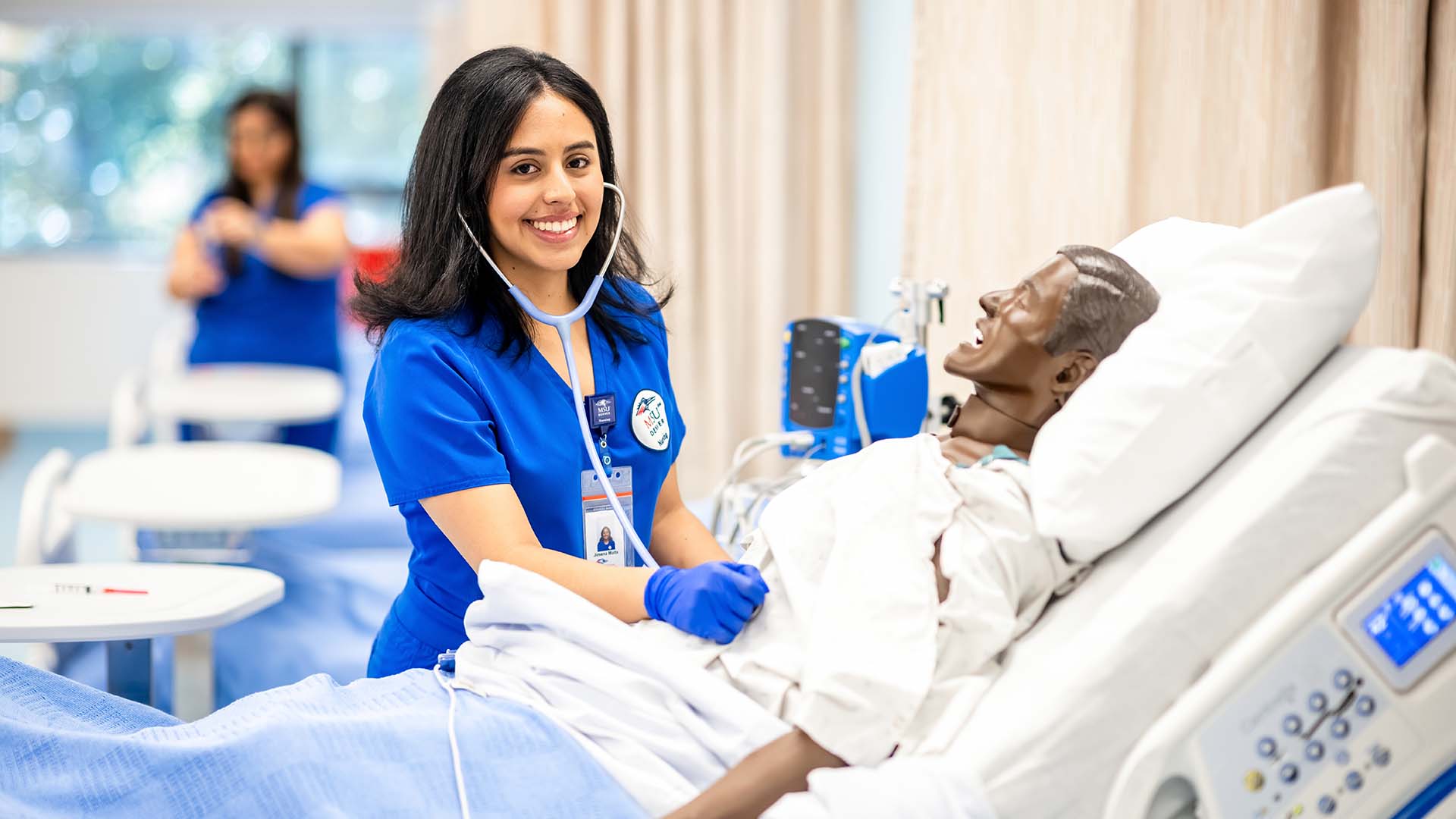
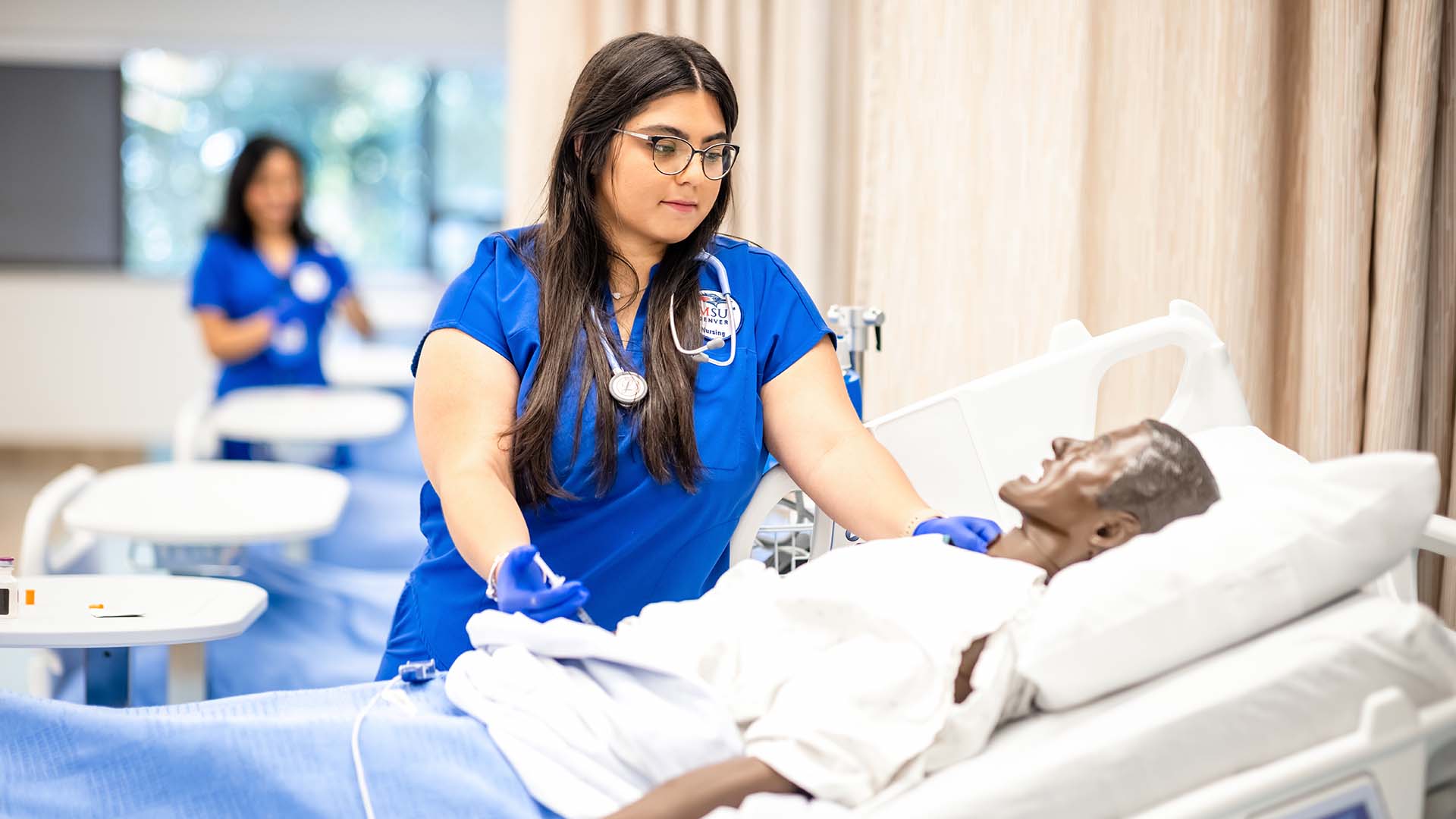
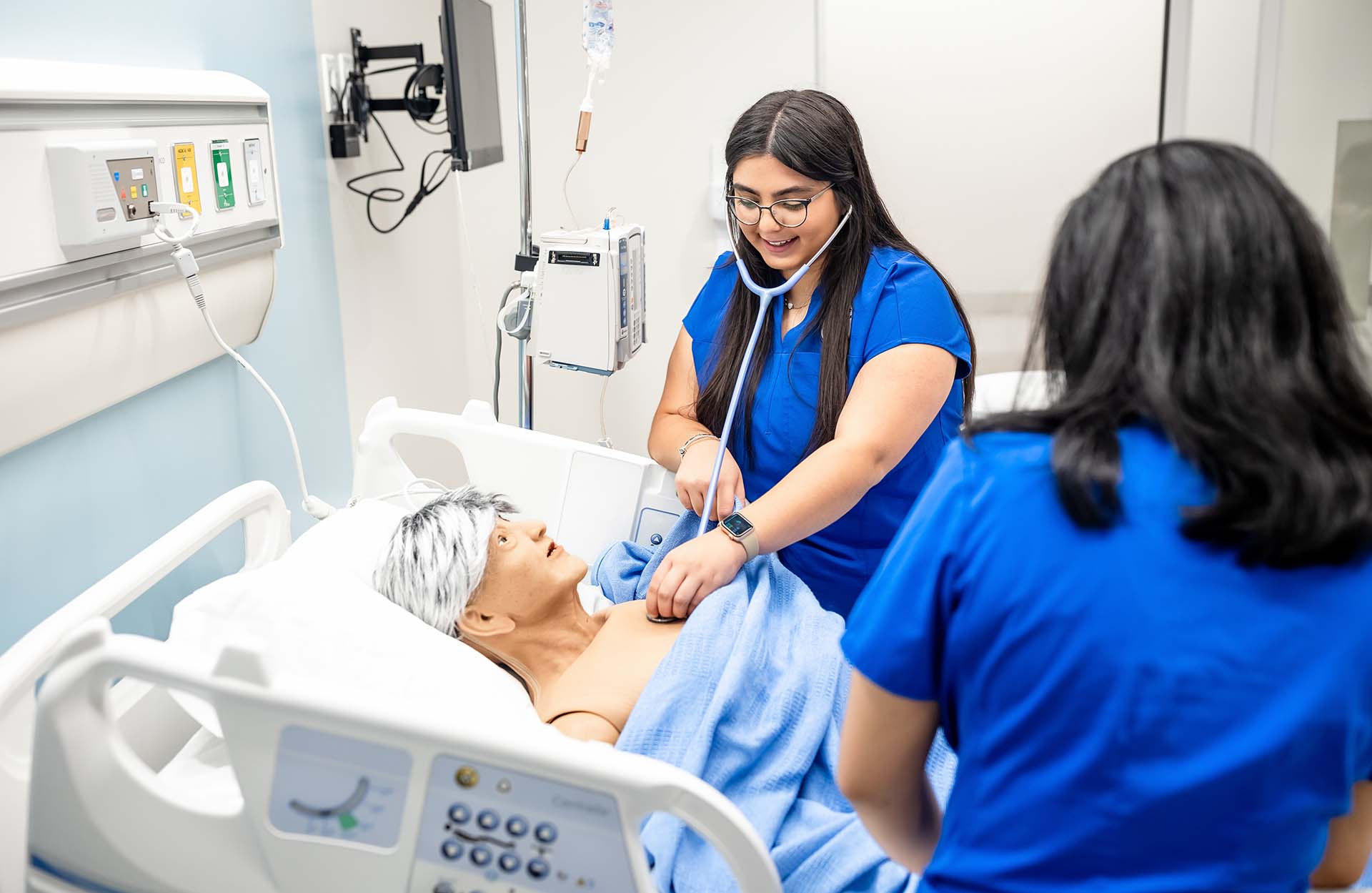
Schreiner, who plans to work in the NICU after graduation this spring, is confident about the future. This blend of technical savvy with interpersonal strength is what employers increasingly value and what public universities such as MSU Denver are uniquely positioned to foster. And with access to the Gina and Frank Day Health Institute Simulation and Skills Laboratory, students gain hands-on experience with tomorrow’s tools, today.
The result is building Colorado’s workforce with clinical proficiency and adaptability, giving future nurses the agency to evolve their practice in instances they may not have encountered in school, becoming leaders in the field.
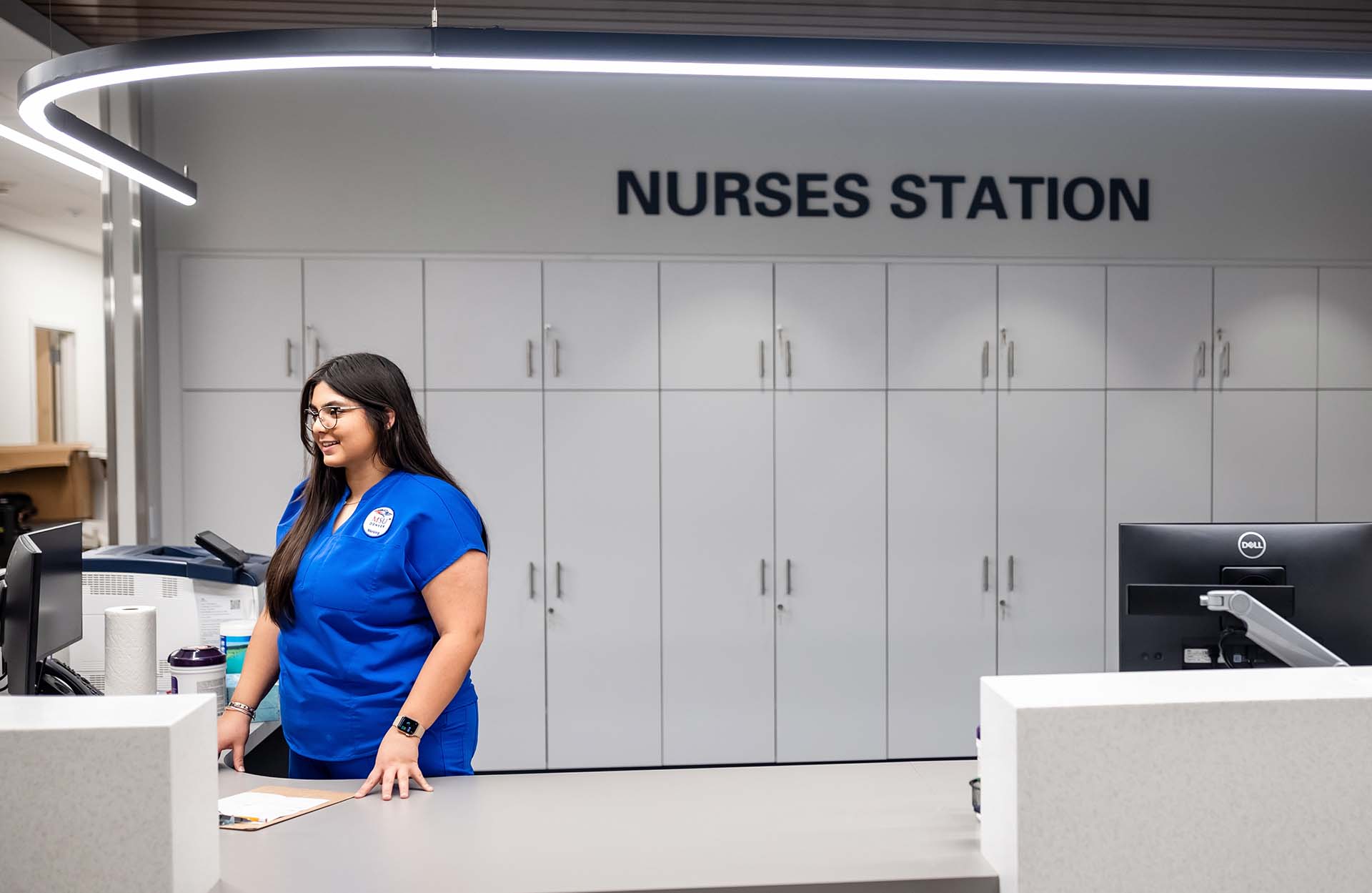
In the coming years, the University is investing in a core principle: Nurses with strong critical thinking and communication skills, whether they’re using AI to spot trends or sitting with a family at the bedside, will be the professionals that health care systems lean on in a world of rapid change.
Allert noted AI tools are beginning to show promise in areas such as early disease detection and administrative support, but nurses remain leaders in care coordination, patient education, ethics and cultural competence.
These are fundamental traits that machines simply cannot replicate, she said. One data point that is poised for reform, however, is Colorado’s 155 patient-per-nurse ratio that leads to the lowest satisfaction score in the country.
“There’s an opportunity here, if the real goal is to decrease burnout,” Allert said. “New technologies could take mundane work away so nurses can do what they really want: Be fully present with their patients.”