As wildfires become more complex, fighting them does, too
An MSU Denver program makes it easier to equip first responders with the advanced skills today’s bigger, faster-moving blazes demand.
It’s official: This winter was the worst ever recorded for Colorado snowpack. So, what does that mean as summer heats up?
“It’s always hard to predict wildfire season,” said Sal Bonilla, assistant chief of training with the Denver Fire Department. “But it just feels like this year, given the lack of snow — this is definitely abnormal.”
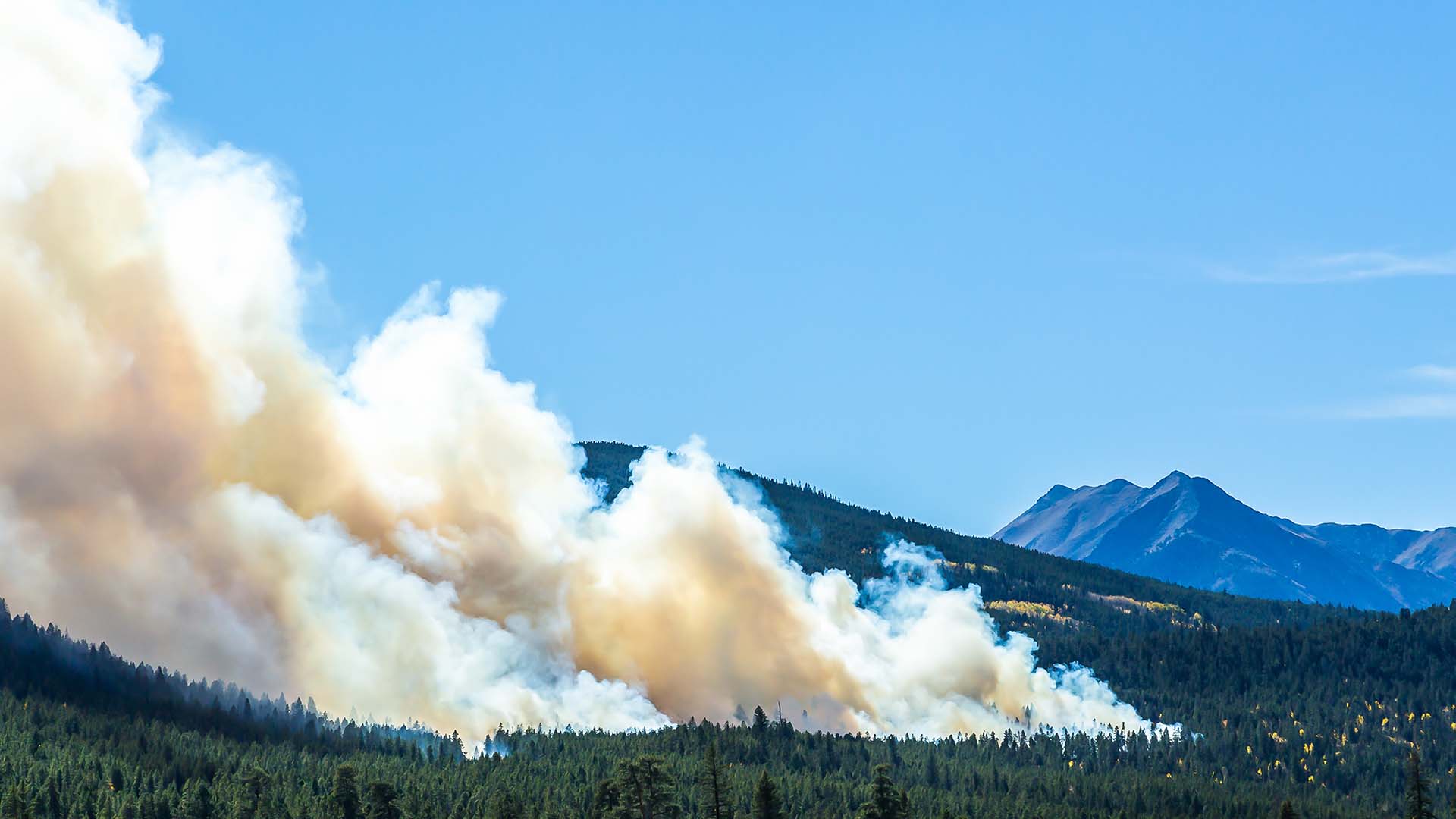
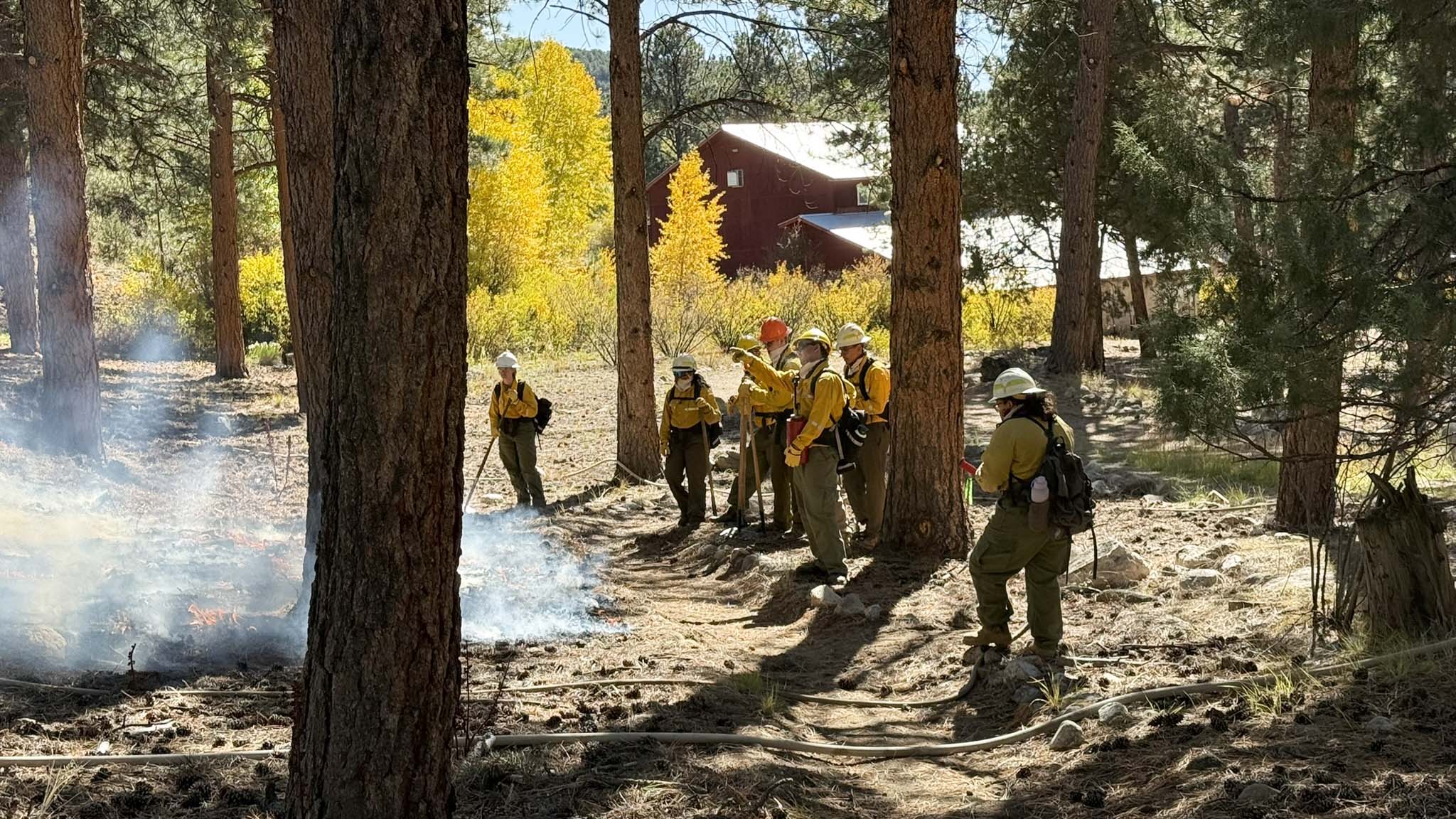
Actually, the abnormal is becoming normal. Wildfires are no longer confined to a “season,” nor are they limited to remote lands. Across Colorado and the Mountain West, shifting weather patterns and prolonged dry conditions are creating the potential for fires that spread faster and reach farther, which makes systemic and individual responses more critical than ever.
As wildfires grow more complex, fighting them does, too. Fighting a fire today involves more than suppression. It requires coordinated planning, expertise in resource allocation, interagency communication and real-time decision-making, all under pressure.
Metropolitan State University of Denver is helping to meet that need through its Fire and Emergency Response Administration bachelor’s degree, which will be available fully online starting in fall 2026.
Designed for working professionals, the program focuses on leadership and administration — incident command, emergency planning, personnel management and community risk reduction — rather than frontline firefighting tactics.
“By adopting models of inclusive mentorship, we provide the tools for professionals to lead diverse teams and develop the next generation of fire-service leaders,” said Mike Williams, Ph.D., an affiliate faculty member in MSU Denver’s Department of Human Services and Counseling, which includes the FERA program.
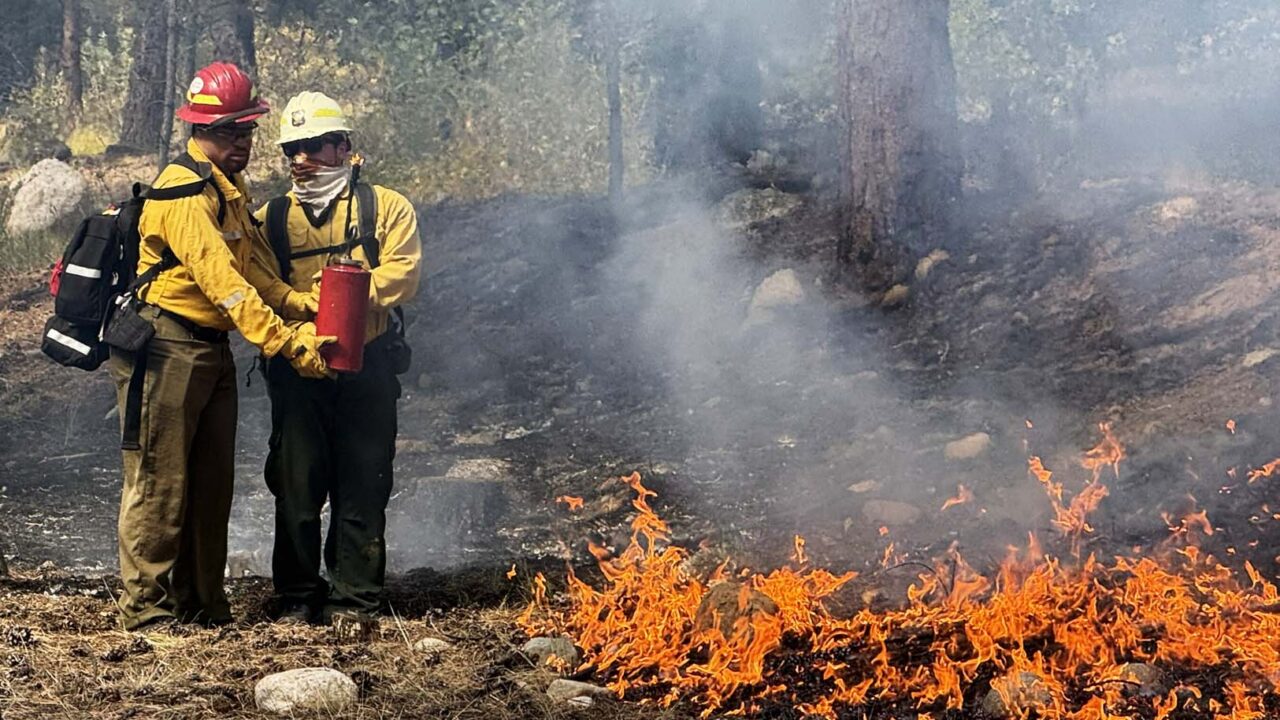
The move to an online format alongside in-person instruction is intended to remove one of the top barriers firefighters face in pursuing education that boosts their knowledge and careers: time.
“That’s the biggest friction point,” Bonilla said. “Between shift work, training and family commitments, it’s hard to find space for additional education.”
MSU Denver’s program offers asynchronous and synchronous options, allowing students to complete coursework around the demands of a 24-hour shift schedule.
“We specifically embrace these kind modalities to remove the traditional barriers of entry and provide access to all who have the heart for this work,” Williams said.
RELATED: Cities and suburbs face growing wildfire threat
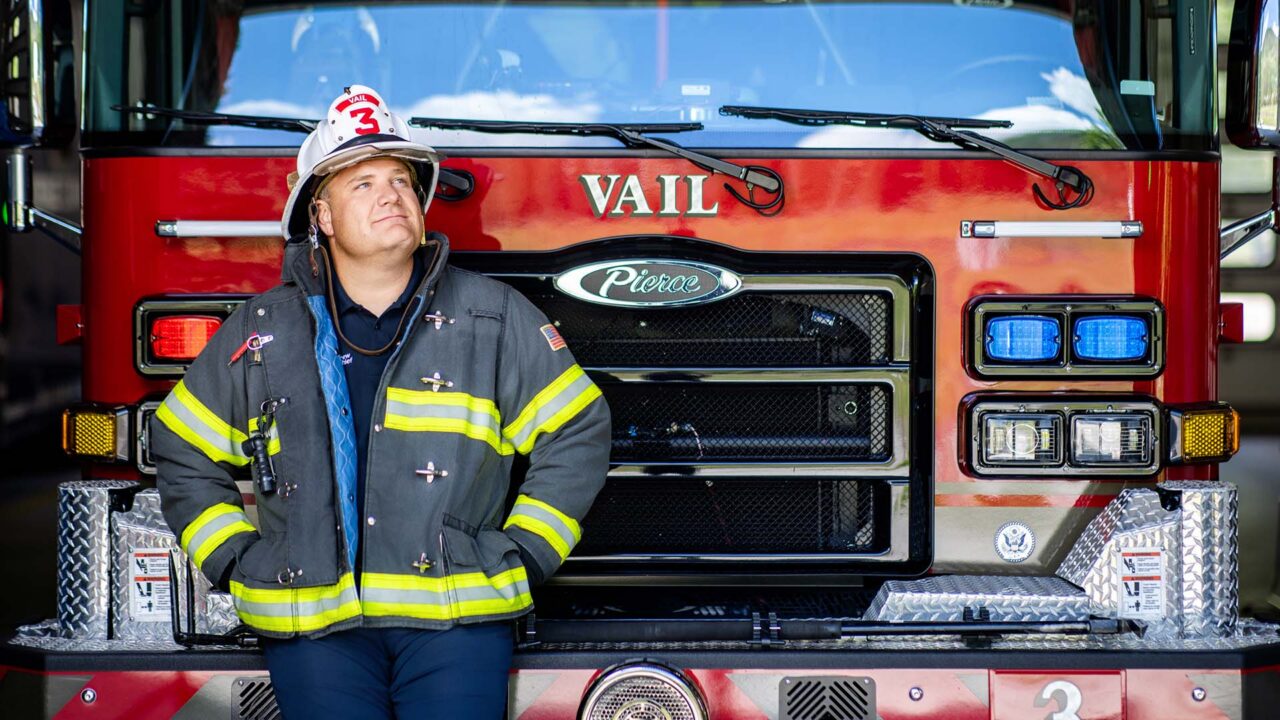
Joshua Hebrew, a battalion chief with Vail Fire Department and an incoming student with MSU Denver’s FERA program, appreciates the flexible study options.
MSU Denver’s program is one of few in the region that is recognized by the National Fire Academy’s Fire and Emergency Services Higher Education network. That means students can earn nationally recognized certifications along with their degree.
For years, many Coloradans considered wildfires something that happened far off in the mountains or wilderness. That is no longer the case.
Communities along the Front Range increasingly sit at the intersection of developed land and fire-prone terrain, a zone known as the wildland-urban interface. More than 1 million Coloradans live those in areas considered at moderate to high wildfire risk.
Hebrew has seen that shift play out over more than two decades in the field.
“A 50,000-acre fire used to be a big deal,” Hebrew said. “Now it barely makes the news.”
Fires that once seemed exceptional are becoming more common, and potentially more destructive. Wind-driven grass fires, in particular, can often outpace the ability of responders to contain them.
“Grass fires move as fast as the wind,” Hebrew said. “And we’re seeing more of that kind of behavior.”
RELATED: Drought conditions fuel record Colorado wildfires
Fire departments across the country operate within a delicate balance, preparing for large-scale incidents while maintaining day-to-day service in their communities. During major wildfire events, that frequently means sending personnel across state lines as part of a national mutual-aid system.
“The system is built on neighbors helping neighbors,” Hebrew said. “No single entity has the ability to handle these large fires alone.”
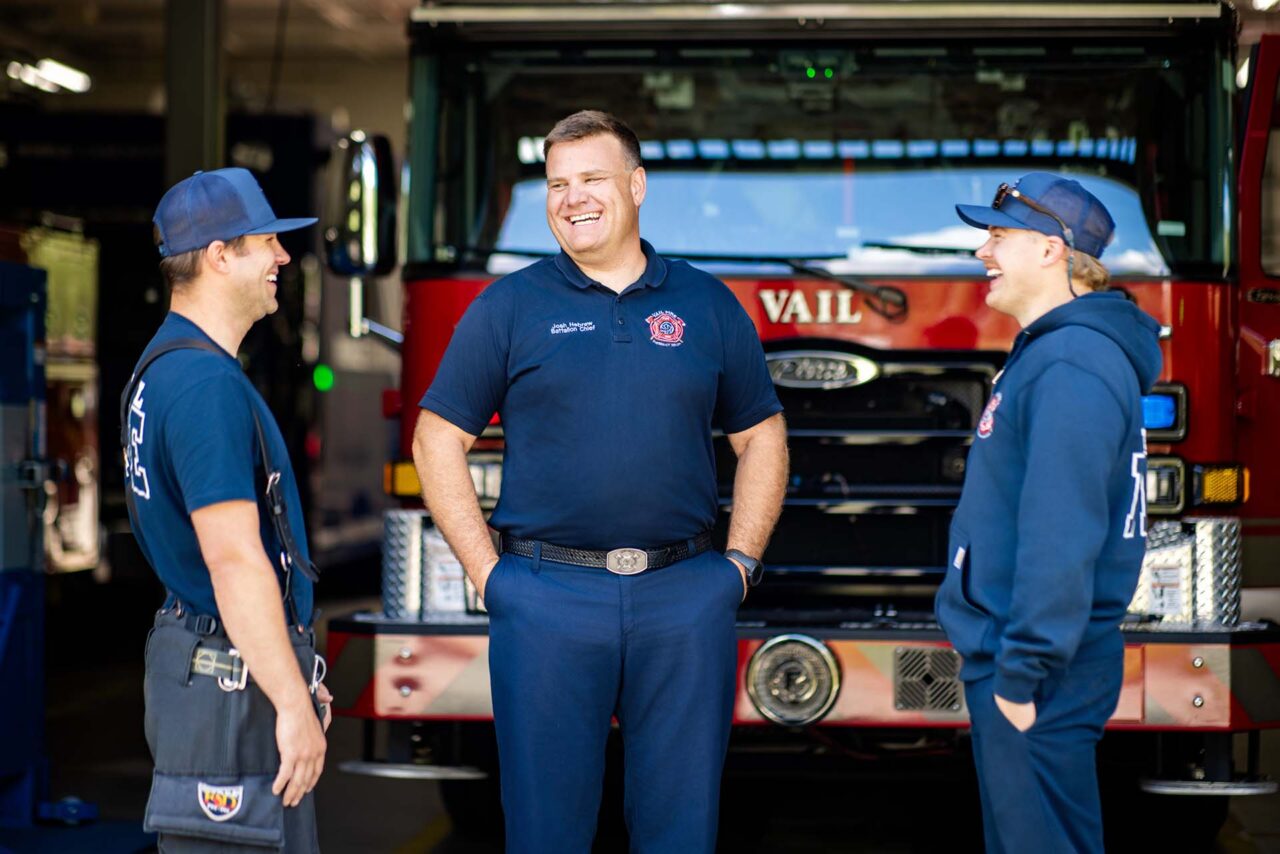
But when firefighters are deployed elsewhere, departments must backfill those roles at home, often through overtime and stretching already limited resources. At the same time, departments face broader financial pressures, forcing difficult decisions about how much to invest in training, personnel and equipment before disaster strikes.
“The biggest challenge will always be staffing,” Bonilla said. “There’s always that balancing act — how many people can we send before it starts to impact service here?”
Even with better training, stronger coordination and expanded educational pathways, one reality remains unchanged: Wildfire is unpredictable. That makes preparation critical, and it means firefighters need all the help they can get from residents.
That can mean trimming trees, reducing flammable materials around the home and taking warnings seriously. Knowing what you’d take and where you’d go also makes the difference when time is limited; in fast-moving fires, there may not be enough resources to protect every structure, making individual preparation essential.
As Bonilla asked, “If you had to evacuate in three hours, what would that look like? What is your plan?”
So as Colorado heads into another uncertain fire season, the key for everyone is preparation.
“A lot of success comes from the work done before the fire ever starts,” Hebrew said.