Why mail-in voting is a reliable and trustworthy option
With midterm elections nearing, some are alleging that mail-in ballots invite fraud — but evidence confirms their reliability.
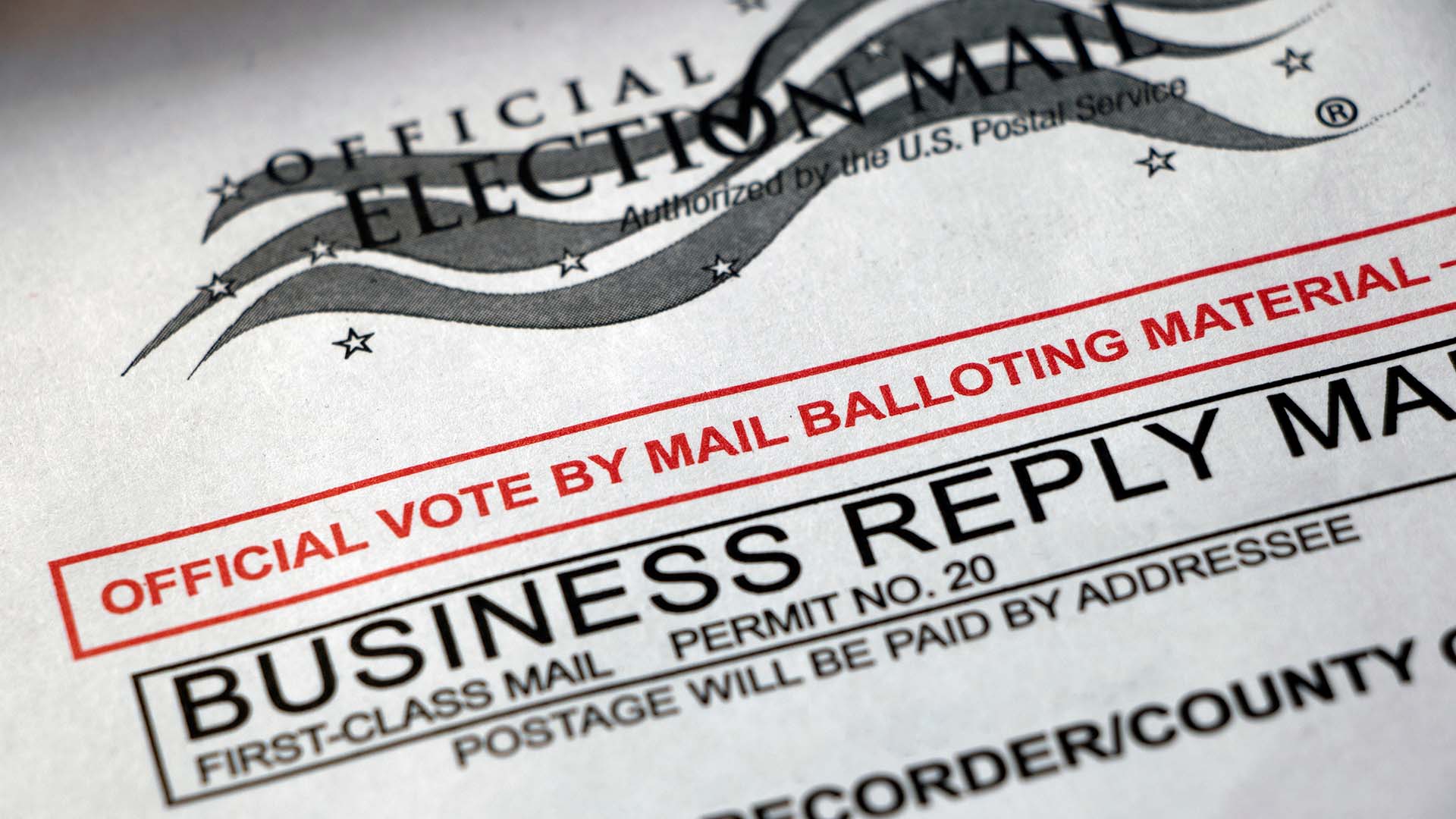
With midterm elections on the horizon, President Donald Trump has pledged to end the use of voting machines, and mail-in ballots, which he called “corrupt,” ahead of the 2026 midterm elections.
The president is pushing for the use of paper ballots and hand-counting, a process many election officials say is time-consuming and less accurate than machine counting.
While it is unclear whether the president has the constitutional power to order such bans — elections are overseen at the state level — his comments sparked fresh debate and fraud concerns around postal voting.
The persistence of this fraud narrative is surprising. Over several years, numerous studies and audits have established that mail-in voting fraud is both rare and, when found to have occurred, severely penalized. So, why does this method still get such a bad rap in some circles?
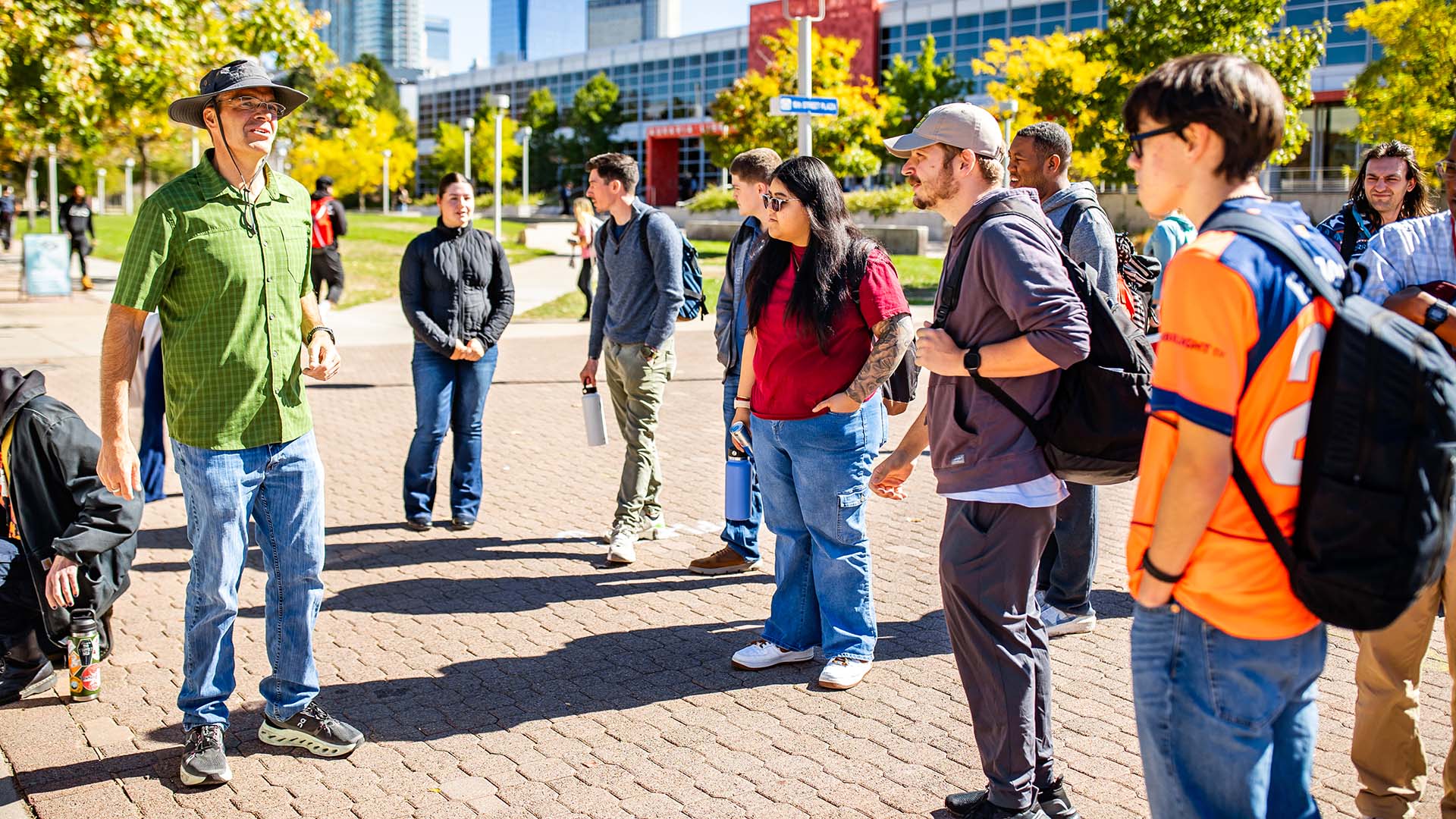
“It’s political,” explained Robert Preuhs, Ph.D, chair of the Department of Political Science at Metropolitan State University of Denver. “Parties that fear — or experience — an electoral loss are often the ones that promote the bad press as they focus on ways to change the outcome.”
He added: “Whether raising vague concerns about ‘irregularities’ or making outright claims of fraud, calling foul play can be an effective way for political parties to potentially shift public perception — and, ultimately, voting policy.”
Votes that count
Far from merely being safe, the Center for Election Innovation & Research points out that using mail-in ballots actually enhances election integrity, in part because it creates a longer voting period. Unlike live voting, mailing in votes leaves extra time for local election officials to identify technical glitches, fraud or cyberattacks.
“Just consider the current process for ‘curing’ a ballot,” said Elizabeth Parmelee, Ph.D., associate vice president of Undergraduate Studies at MSU Denver. “That means people who encounter an issue during the mail-in process still have ample opportunity to make sure their vote is counted.”
Contrast that with the hanging chads chaos in Florida following the 2000 presidential election between George W. Bush and then-Vice President Al Gore. “Hundreds of live, in-person voters were probably disenfranchised during that debacle,” Parmelee said, “which doesn’t sound very ‘safe’ to me.”
Parmelee recalled her own first ‘frustrating and intimidating’ experience at the Colorado ballot box. “I spent hours in a line, needed to memorize all my ballot choices, then had the pressure of quickly pulling the right levers in that tiny booth as hundreds of people waited behind me.”
Years later, her children’s first experience of mail-in voting was completely different: “We sat at our dining table, discussed all the issues and had a great conversation, before privately filling in the ballots at our leisure.”
High approval
It’s assumed that Democratic voters use mail-in ballots more than Republicans, and that mail-in skepticism overwhelmingly comes from the right side of the political aisle.
So, you may be surprised to learn that rates of mail-in ballot use are only slightly higher among Democrats nationwide. And GOP voters who do use mail-in voting are generally happy with it.
According to Preuhs, there’s no mystery why. “It’s easy, people get used to it, and they don’t experience fraud,” he explained. “Also, technical advances, such as being able to track your ballot, help reduce potential voter concerns.”
A further irony: The Republican Party, while publicly undermining mail-in voting for years, has been benefitting from more of its own voter base adopting the practice. In fact, the closer you look at mail-in voting, the more allegations of inherent fraud fall apart.
For example, in states that use a universal vote by mail system, in which mail-in ballots are sent to every voter, strong majorities in both parties tend to be satisfied with the system.
In Colorado, for example, 87% of voters approve of the state’s vote-by-mail election system. “There’s still a partisan divide, of course,” Preuhs said. “But there are few other issues in this state where you’ll find 72% of Republicans agreeing with 99% of Democrats.”
Partisan issue
Last year, the Bipartisan Policy Center posted an interesting electoral map of the United States.
It clearly shows how a cluster of coastal (mainly liberal) states send mail ballots to all voters, while many Southern (mainly GOP) states require each absentee voter to first produce a valid excuse. Is the issue of mail-in voting really so nakedly partisan?
“Yes, it is,” Preuhs said. “Parties want to gain or maintain control of government — that’s what they do. And that means any shifts in voting procedures which they view as hurting their chances are far less likely to be adopted.”
The irony, he added, is that election outcomes don’t really change much, regardless of the system being used. Vote-boosting options, such as early or mail-in voting, tend to increase turnout pretty equally across both major parties.
“The whole issue really is a red herring,” Preuhs said.
RELATED: Colorado voters, here’s how your ballot is counted
Building trust
After the 2020 general election, Trump and his supporters and allies filed more than 60 court cases many centered on mail-in voting, that alleged voter fraud.
While these cases overwhelmingly failed, they nonetheless instilled widespread cynicism about the reliability of the U.S. voting system.
So, how can the country begin to rebuild trust among the electorate?
“It’s going to be very tough, while some actors and influencers are still purposefully seeking to create distrust,” Parmelee said. “I’m not sure how to shift or change that.”
However, she does have one interesting idea: Start small. “If we invite our communities to visit election facilities, to see how the process works and share what they learn, then we may begin to make some headway.”
“It’s going to be very much a grassroots effort and a slow process,” she said. “But that’s what we need to do.”
Learn more about Political Science at MSU Denver.