Inclusive learning empowers students with intellectual disabilities
MSU Denver’s innovative higher education program prepares students for life and work beyond the classroom.
This story appears in the fall 2026 issue of MSU Denver Magazine.
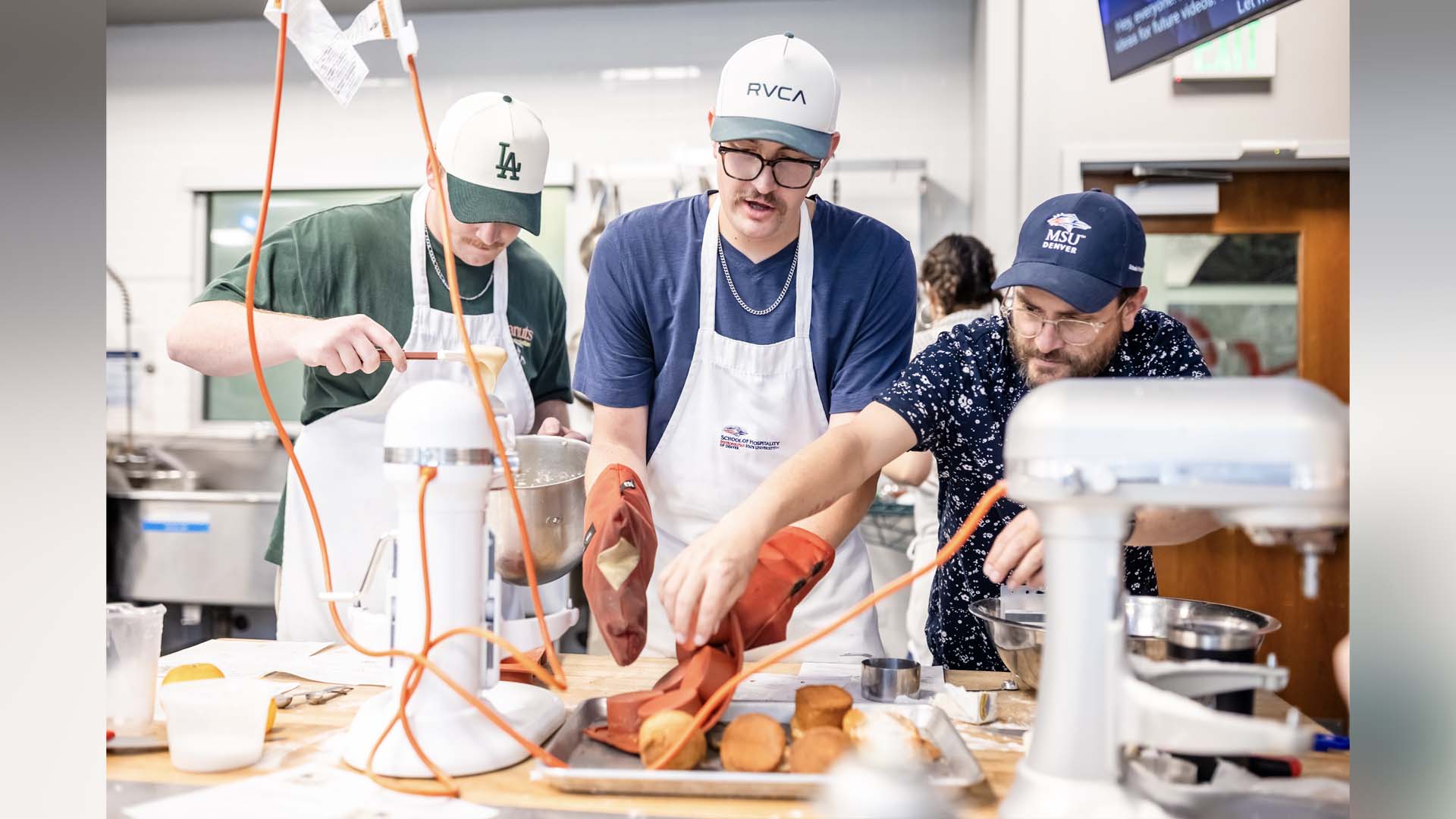
Ryan Evans’ cupcakes rose up high and tall — no small feat for a novice baker at Denver’s altitude. But trouble started when he pulled them out of the oven and tried to pry them out of their silicone pan.
When Evans turned the pan upside down, cupcake number one tumbled out in pieces. Frustrated, Evans started dumping the rest. That’s when Stephen Barela, office manager of the School of Hospitality and instructor for the Basic Baking Skills class, rushed over to help.
“Take your time,” Barela said. “Don’t shake the pan. Be gentle.” Evans watched, and learned: The rest of the cupcakes made a smooth exit.
Baking is not Evans’ thing. Becoming a chef is. “Cooking is better,” he said. “It’s calming.”
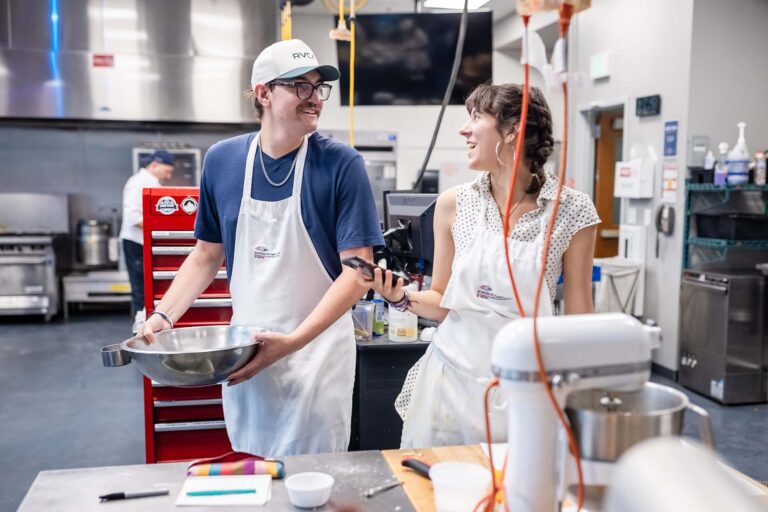
It’s hard to imagine anything calming down the bundle of energy and perpetual motion that is this second-year Metropolitan State University of Denver student. But it’s not hard to imagine Evans succeeding as a chef.
He is one of eight students participating this semester in MSU Denver’s Inclusive Support Services. The program enables students with intellectual disabilities to go to college, taking classes alongside their peers. The classroom expectations are modified for them, and each student gets individual support as they work toward an Inclusive Higher Education Certificate. Along the way, and perhaps more important, they gain work experience and life skills.
Many of those life skills come from Cathi Allen’s Self-Advocacy course. Allen, interim director of Inclusive Higher Education Solutions at MSU Denver, spearheaded the ISS program, which launched with help from a $370,000 grant and a lot of energy and determination.
The program’s ongoing funding comes from tuition, grants and donations, Allen said. In past years, it has also received grant funding from IN! Pathways to Inclusive Higher Education and was expecting support from the Colorado Division of Vocational Rehabilitation. This year, when that money didn’t come, some students’ parents and members of the MSU Denver Foundation helped raise enough to cover the shortfall.
RELATED: Student-athletes with autism set sights on Paralympics
The effort is worth it, said Allen, an MSU Denver alumna who found a second career and a calling as a special education teacher, first with the Douglas County School District. “This program supports and enhances the whole University.”
Charlie Buckley, Ph.D., associate professor of Special Education, said including students with intellectual disabilities in class “elevates the learning for everyone.”
Buckley said it makes sense for higher education to participate in programs like ISS. “We’ve been doing this with K-12 education forever. Why shouldn’t it continue in college?”
While coursework often is modified for the ISS students, they are held to high expectations. “We don’t have them in class as mascots,” Allen said.
In addition to coordinating the program, Allen builds personal relationships with all her ISS students. And, in her Self-Advocacy class, she teaches them how to navigate the University’s online learning tool, how to use AI and other skills.
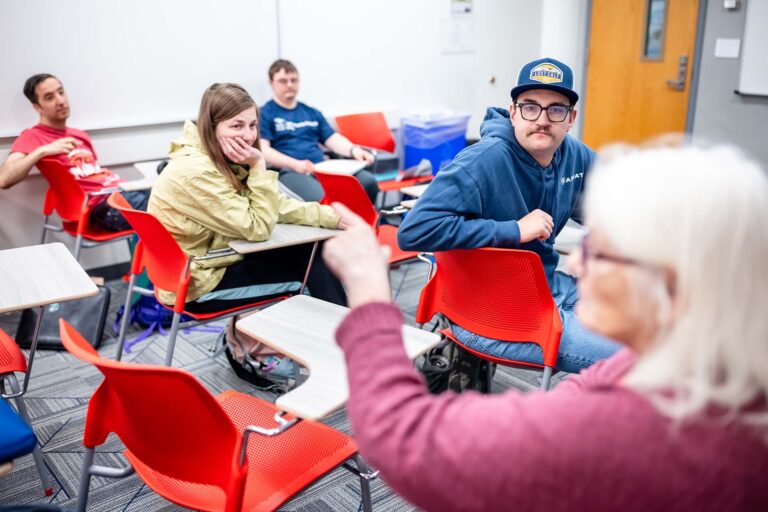
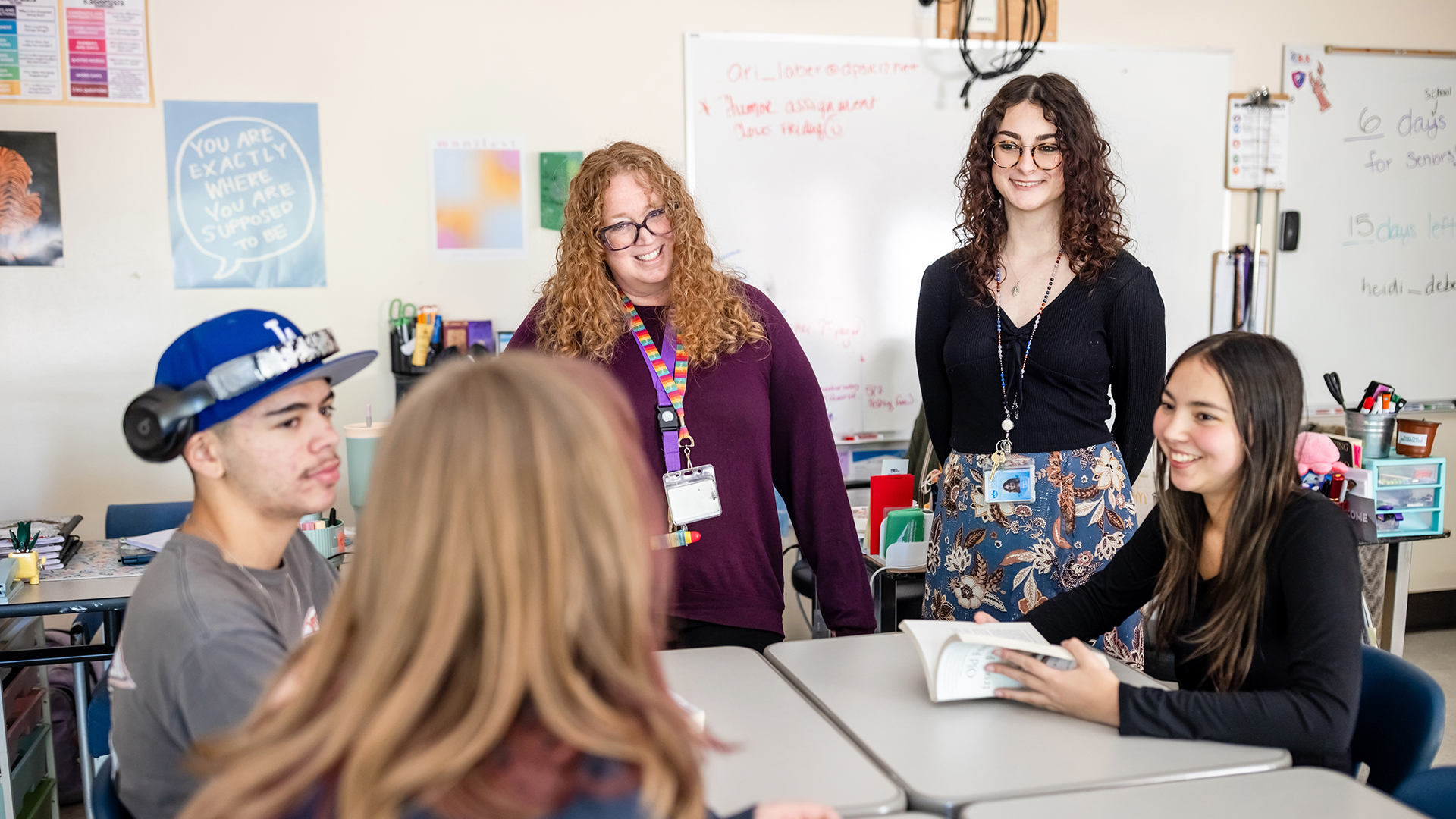
On a spring afternoon, as her students settled into a semicircle in the front of the room, Allen announced that day’s lesson would be on executive function.
“As you get older, you have more and more to remember,” she reminded them. “You have to pay the bills, buy the groceries, get to class on time. These aids I’m going to tell you about will help you not have to remember so much.”
Unlike many instructors who insist students put their phones away, Allen had her class take theirs out. “You all have a calendar on your phone. You have email and reminders. You can use those to remind you of your assignments and where you have to be. As an adult learner, you’re expected to do all these things.”
The tools will help in their daily lives and in the working world, she said. Several of Allen’s students have very definite ideas about what they want to do in that working world.
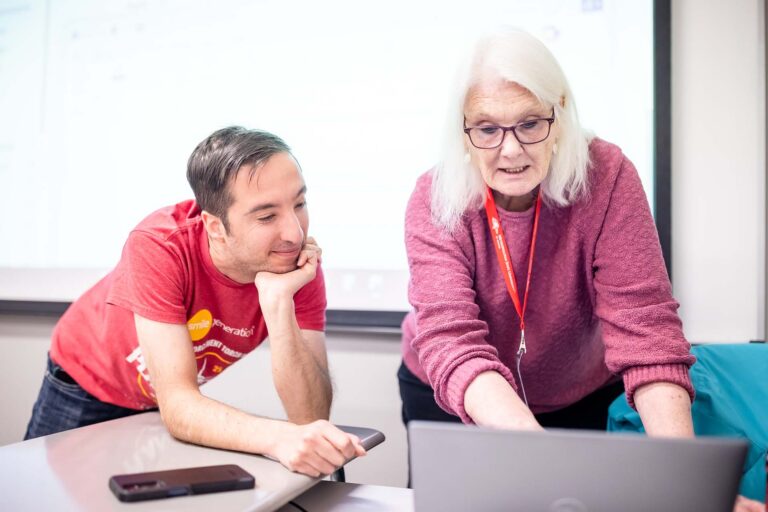
Daniel Barbier wants to be an archaeologist and has a passion for ancient Egypt. “He did a project on female pharaohs last semester, and his professor said his was one of the most detailed in the class,” Allen said. Barbier already has archaeology experience. Last summer, he participated in the MSU Denver dig in Central City.
Jose Raul Soto Chacon wants to be a mariachi. Actually, he already is, playing guitar with a local group.
Ryan Evans, of course, wants to be a chef.
Specifically, he wants to own a restaurant. He’s gotten a good start — he found a restaurant job last summer. But he knows running his own place will take time. “Gordon Ramsay says you need restaurant experience before you can own your own,” Evans said. If the foul-mouthed TV chef says it, that’s good enough for Evans.
“He’s like the Navy Seal of chefs,” he said.
His favorite thing to cook is pesto chicken with pasta. But as a future restaurateur, he knows he has to expand his horizons. That’s why he can be found every Thursday afternoon in the Basic Baking Skills class.
After the executive function lesson in Allen’s class, her students head across the hall to a computer lab to do homework.
As they scatter, Jessica Newsome, academic coordinator for the program, checked in with Barbier. “Have you had lunch? You need to eat today.”
Clearly, Newsome, who is pursuing her doctorate, does more than just coordinate the students’ academics. “I’m with them a lot, and mainly I’m here to communicate with professors and everyone around campus to support them,” she said. “This crew is cool. They’re traditional young adults,” with traditional young-adult interests and issues.
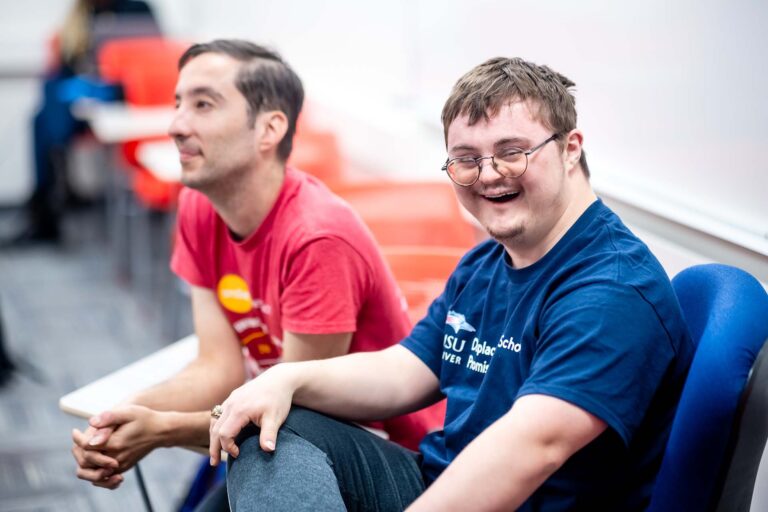
Newsome said some faculty members initially were wary of the program. Not because they objected to the students joining their class, but because they weren’t sure they were equipped to provide the students the support they needed.
To ease those concerns, Newsome meets with faculty before each semester to discuss the students’ needs. “I talk to professors multiple times a week. And they know they can reach out to me anytime,” she said.
Baking might not be Evans’ thing but he’s getting good at it, said his instructor, Barela. “He’s really improving. He’s right up there with everybody in the class,” he said.
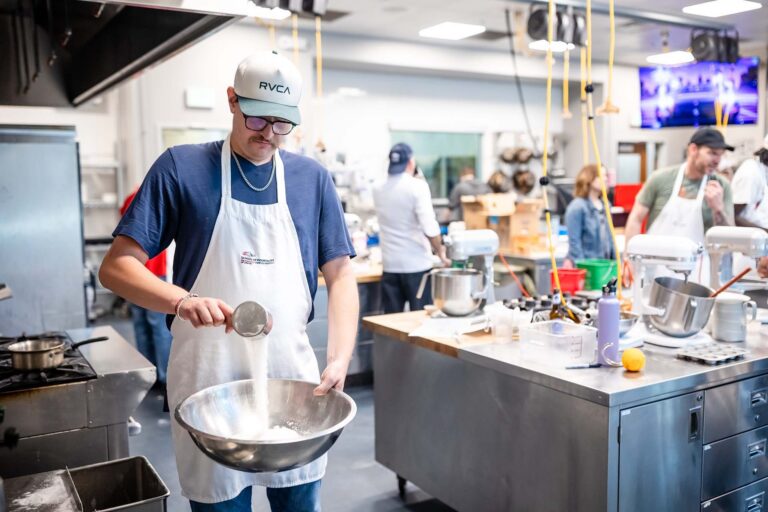
For his part, Evans is philosophical about the whole idea of baking. “It’s better to bake at home. If you buy things in the store, they have all kinds of bad things in them. Baking at home you lower your risk of diabetes.”
Before coming to MSU Denver, Evans spent a semester at Eastern New Mexico State University in Roswell.
“We weren’t aware of MSU Denver’s program,” his mother, Sylvia Luyten, said. “The IHES program here has been a godsend. I can see so much more confidence in him. He’s learned life skills as well as job skills. It’s just been wonderful — the fact that he can join other students who face similar challenges.”
Evans enjoys it, too. “I like this program better than the one in Roswell,” he said. “Cathi is always open to helping me and giving me the right information.”
Seeing her son own a restaurant would be fabulous, Luyten said. But her main goal for him is “just to be in a place where he’s happy.”