MSU Denver clinic hopes to reshape early adolescent literacy in Colorado
New research and free tutoring aim to improve reading and writing outcomes for fourth and fifth grade students.
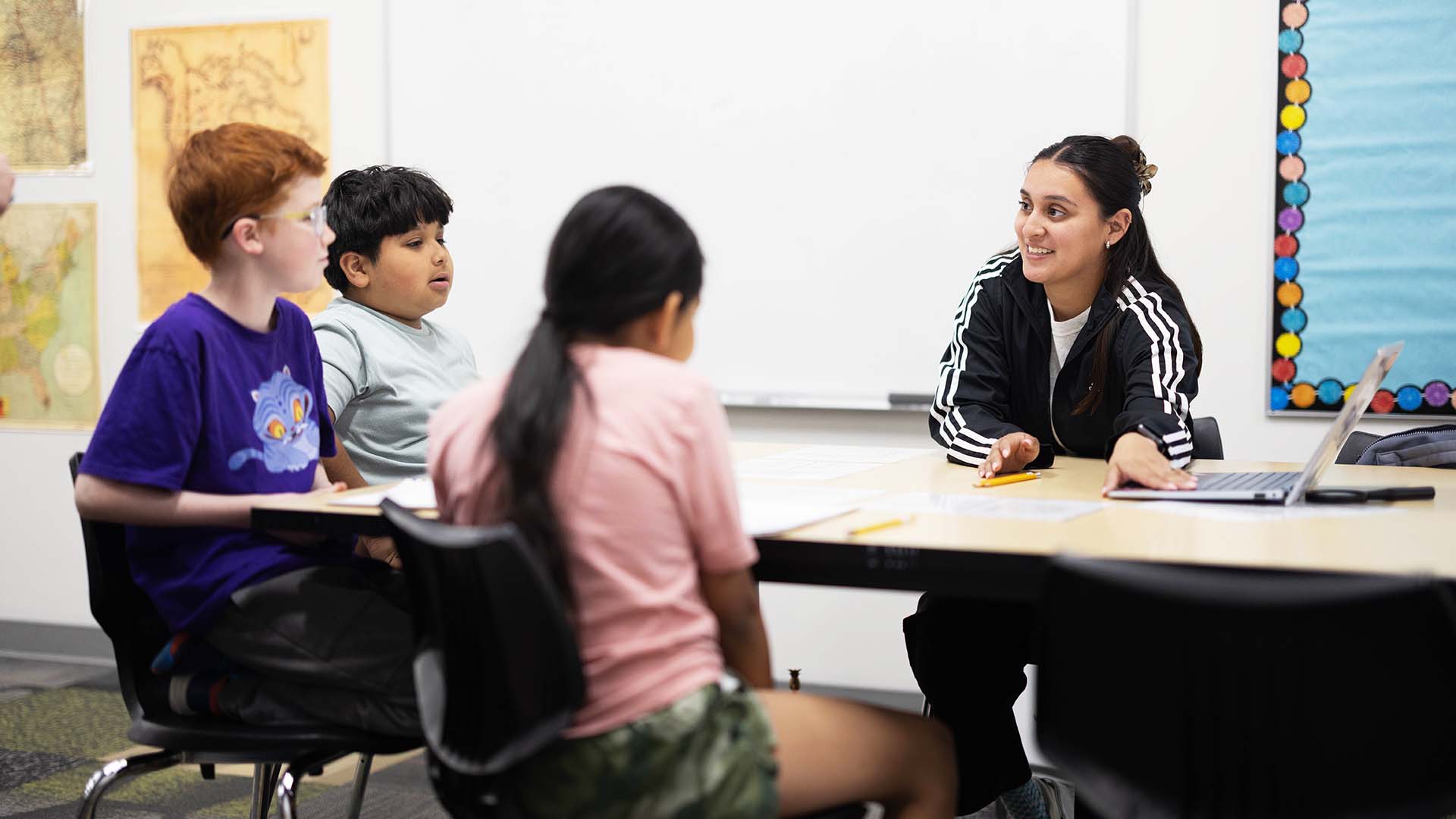
Twice a week, Genevieve Barnhart drives nearly an hour each way so her son Ned can receive tutoring at the Literacy Research Center and Clinic at Metropolitan State University of Denver.
It’s a big commitment, but the improvement she’s seen, particularly in his writing skills, make it worth the effort, she said.
“I feel like we won the lottery,” Barnhart said. “This program is addressing all of the concerns that I’ve been begging my son’s school to address for three or four years.”
Launched in February 2025, the LRCC is addressing a critical and often overlooked issue in Colorado and the nation: the literacy development of early adolescents.
The center already has secured its first six-figure grant to study reading achievement among fourth and fifth grade students across the state. Its dual mission is to support families while generating much-needed research on a population that has largely been absent from statewide and national literacy efforts.
Alfred Tatum, Ph.D., professor in MSU Denver’s School of Education and founder of the LRCC, said there is tremendous need to expand literacy efforts beyond early elementary grades.
“Early adolescents have been neglected in the Colorado READ Act,” Tatum said. Across Colorado’s 179 school districts, more than 121,000 students are enrolled in fourth and fifth grades, about 13% of the state’s student population. Yet recent Colorado Measures of Academic Success test results show that only 9% of fourth graders and 6% of fifth graders exceed reading expectations, figures Tatum considers deeply concerning.
To address the needs of struggling and non-struggling readers, the LRCC launched the Colorado Early Adolescent Literacy Impact study, which includes free tutoring for fourth and fifth grade students in the Denver metro area, particularly in schools where more than half of students demonstrate significant reading deficiencies.
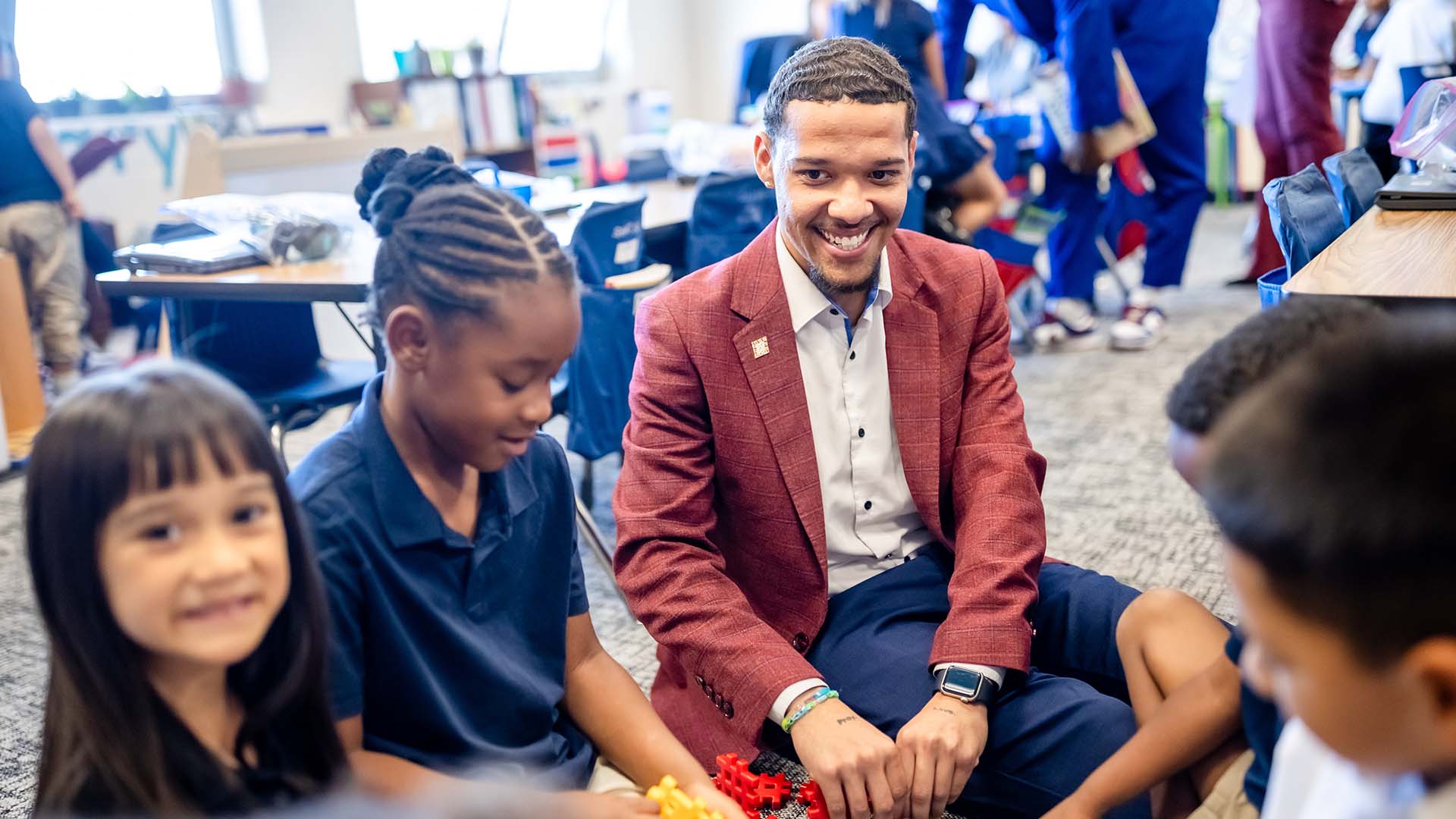
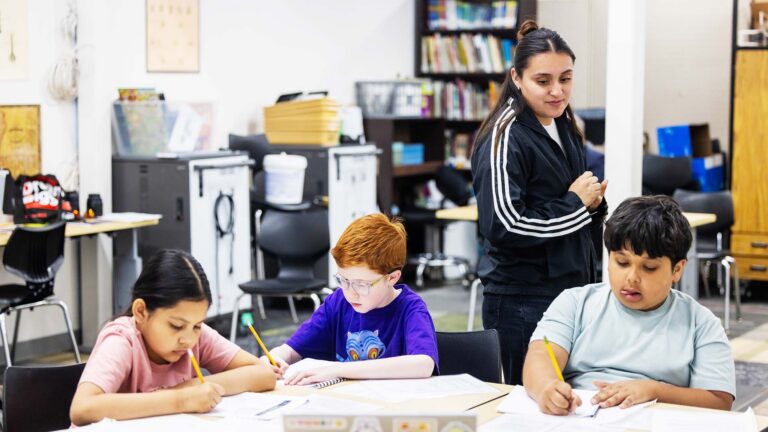
Meredith De La Torre, an MSU Denver Elementary Education major completing her residency in a third grade classroom, also tutors at the clinic. She works with small groups of students twice a week, using research-based literacy strategies that focus on fluency, comprehension, writing and word decoding, which is reading unfamiliar words by breaking them down into individual sounds.
RELATED: Too many Colorado children read below proficient levels. This new center aims to help.
“I tutored before, and I really enjoyed it,” De La Torre said. “Students really need that one-on-one support, and it’s hard to get that in a classroom.”
Her experience at the clinic has deepened her understanding of literacy gaps and reinforced her belief that all students can succeed with the right support. She plans to continue working in literacy development after graduation.
For parents like Barnhart, the clinic has been transformative.
She discovered the program after reading a Colorado Sun editorial by Tatum in which he argued that the state is in the midst of an “adolescent literacy crisis” that predates the Covid pandemic. Despite her background teaching college-level composition and literature, she said she struggled to support her son’s literacy development on her own.
“I knew there was something wrong, but I didn’t personally have the tools to fix it,” she said.

She has seen the good that LRCC has done for her son. Writing four sentences used to be a challenge for him, she said. “Now he can write two pages, and he wants to keep going.”
She has also noticed a boost in his confidence, especially when trying to read more complex words. He has better strategies now,” she said. “He’s got the confidence to not just say, ‘There’s no way I could do that.’”
Barnhart added that the program’s use of engaging and relevant content has helped spark her son’s enthusiasm for learning.
While data highlights the scope of the issue, Tatum said they don’t tell the whole story.
Student writing often reveals challenges that can’t be captured in data, he said. “We need more comprehensive and human-centered approaches to literacy research.”
That is one reason the center’s research is grounded not just in data, but also in a broader commitment to exponential reading growth for all of Colorado’s students across the education and economic continuum, including students identified with a disability.
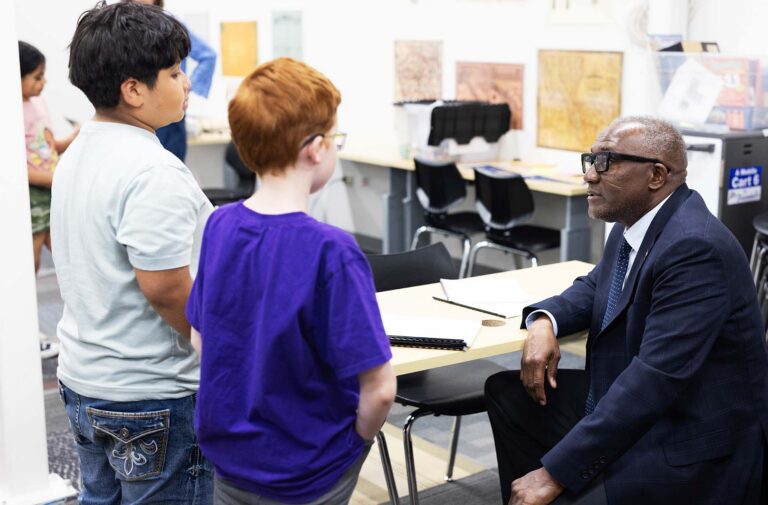
“There are human and moral elements that shape the Literacy Research Center and the clinic’s work,” he said.
Tatum said the center’s long-term goal is to produce actionable research that can inform literacy policy and classroom practice across Colorado, to close gaps, support families and make sure no student falls behind.