5 ways to prepare your body for ski season
Experts recommend targeted preparation to help improve stamina and avoid injuries over this winter's ski season.
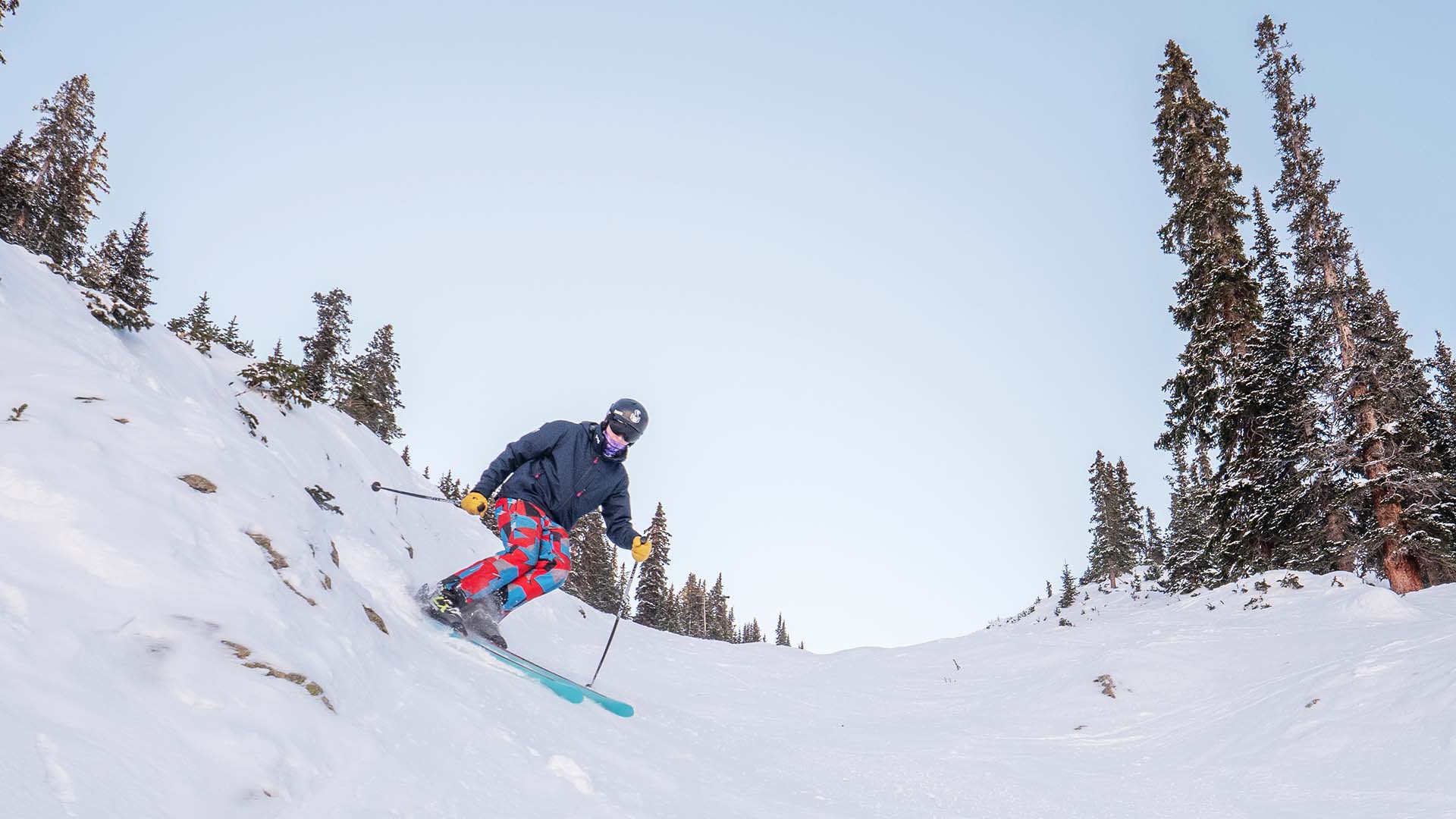
A great ski or snowboard day is one of the best experiences Colorado has to offer, but if your body isn’t ready, you’ll have to settle for an early trip to the lodge.
Consistent, targeted training can make the difference to unlock long, full days of fun, according to Lincoln Davie, Ph.D., associate professor of Sport Management at Metropolitan State University of Denver, and Jason Casey, Ph.D., associate professor of Exercise and Sport Sciences.
That’s why each season, avid skiers should establish their two “p” goals: physiological and psychological. Davie and Casey also recommend planning achievable routines tailored to individual lifestyles and preferences.
“Do what you’re actually going to do,” Davie said. “I’m a runner. Even if I’m coming home from a run, and then I’m doing 20 minutes of post-run strength training, awesome. I mean, that will go a lot longer than doing nothing at all.”
Establish an aerobic foundation
The more time spent on the slopes, the more fun there is to be had. To achieve this goal, Davie and Casey urge general conditioning as a building block.
“A large aerobic base helps you recover between runs and stay fresh on longer ski days,” Casey said. “The goal is to mimic the work-to-rest ratio of the activity.”
He highlighted interval training, or sets of several minutes of challenging work followed by rest, repeated for up to several hours. The following regimen can begin eight to 12 weeks before ski season:
A beginner might start with at least 30 minutes of low-intensity cardio, such as running, cycling, stair climbing, incline walking or rowing, twice a week. At the intermediate level, introduce short, moderately challenging aerobic intervals, then progress to expert-level intervals that mimic ski runs, such as eight to 10 minutes of hard effort followed by equal rest periods.
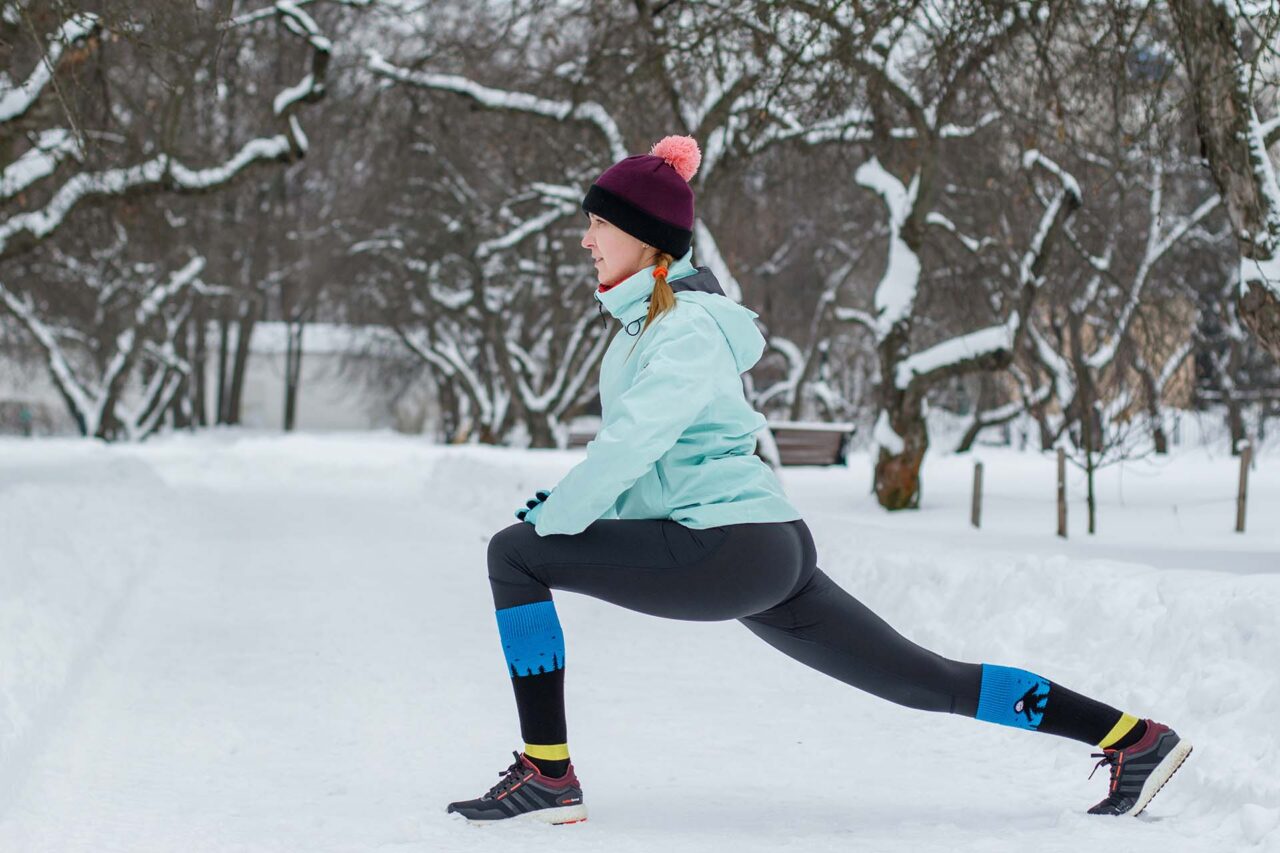
Increase mobility
Carving up a ski slope calls for more than just flexibility. One of Casey’s top recommendations is to train for mobility, which also helps increase range of motion, strength, balance and neuromuscular control.
Deficits in these areas make it “harder to stay centered over your skis, and many people end up in the ‘back seat,’ which overloads the quads and reduces control.”
Start by stretching the hip flexors, hamstrings, glutes, quadriceps, calves, ankles, inner thighs and upper back to reduce stiffness and improve mobility. Progress to resistance exercises such as bodyweight lunges and deep, controlled squats, then incorporate rotational stretches to prepare for the varied movements skiing demands.
Casey said that while many prioritize movements along the sagittal plane, or forward/backward and upward/downward movements, a common mistake is to neglect frontal (side to side) and transverse (rotation) planes.
“Train for movement in all three, as well as the ability to resist movement in each of them,” he said.
Prioritize stabilization
A great way to prepare for extreme movement while skiing is to train “anti-movement.”
“The core’s main job while skiing is stabilization,” Casey said. “This keeps the trunk stable while the legs absorb the terrain, and it allows force to transfer between the upper and lower body.”
Anti-movement exercises:
- Beginner: Dead bugs, suitcase carries
- Intermediate: Planks, bird dogs, front load carries
- Advanced: Ab-wheel rollouts, side planks, Pallof presses
Start with floor exercises and progress to half kneeling, then standing, then single-leg moves.
Improve lower body strength
Strength training is a fast track to level up skills, especially with a combination of bilateral (both legs at once) and unilateral (one side at a time) exercises.
Lower-body specific strength moves:
- Beginner: Goblet squats, step-ups, hip thrusts, lateral lunges, wall sits
- Intermediate: Front squat, reverse lunges, Romanian deadlifts (RDLs), single-leg hip thrusts, Cossack squats
- Advanced: Back squats, Bulgarian split squats, deadlifts, Nordic hamstring curls, single-leg RDLs
Casey also recommended eccentric variations, where the focus is on slow lowering phases around three to four seconds, and isometric exercises focused on holding a squat position.
Remember general best practices
Even the best training plan can’t eliminate fatigue, but a few simple habits can help maximize gains that help with skiing as well as the daily motions of life.
- Warm up: Try bodyweight squats, walking lunges and leg swings.
- Start slow: Ease into runs, especially at higher elevations.
- Recover: Prioritize sleep, hydration and nutritious meals to replenish energy.
While there are many resources available online, Davie recommends going a step further to ensure the best results, especially for those at heightened risk of injury.
“You can watch a video and think your form is good, and it’s not good at all,” he said. “I’d rather have you work more specifically with an expert. MSU Denver’s Exercise and Sport Sciences program offers personalized training opportunities.”
Finally, know when to quit.
“I can’t tell you how many times I’ve rescued someone who got injured on their last run,” said Davie, who was a ski patroller at Deer Valley Resort in Park City, Utah for nearly a decade.
That experience, which is consistent with a common superstition among winter athletes, is part of the reason he and his family never even say the words “last run.”