How to get the most out of GLP-1s
Medications that spur weight loss help initially, but for long-term health, lifestyle changes are important, too.
When drugs such as Ozempic and Wegovy burst into the national spotlight, they transformed the conversation around obesity and weight loss seemingly overnight.
Originally developed to treat Type 2 diabetes, those GLP-1 medications help regulate appetite and blood sugar, leading many patients to experience significant weight loss. But beyond the headlines and celebrity testimonials, there’s a fundamental question: What happens after the weight comes off?
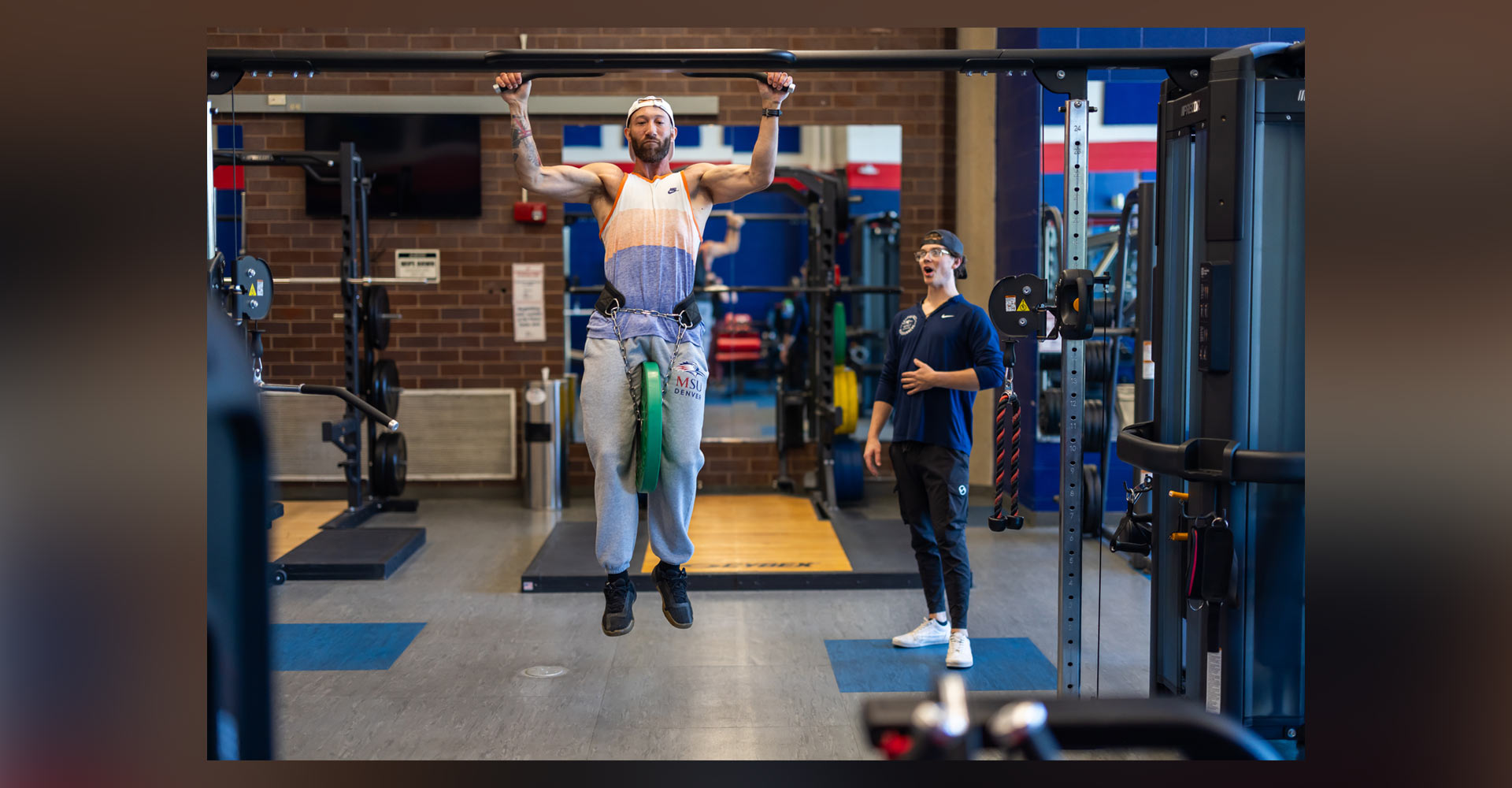
“With appetite suppression, there’s potential for insufficient protein intake, and if so, the body may break down its own muscle tissue to meet its needs,” said Chad Harris, Ph.D., chair of the Department of Exercise and Sport Sciences at Metropolitan State University of Denver.
“It’s easy to think, ‘I’m just going to lose fat tissue and everything’s great.’ But if we’re not effectively training and exercising along with those GLP-1s, we can lose muscle mass, too.”
That challenge sits at the center of MSU Denver’s new Bachelor of Science in Sport Nutrition, an interdisciplinary degree launching this fall that combines coursework from Nutrition and Exercise and Sport Sciences. The program emerged from growing interest among students seeking expertise in both disciplines, along with career opportunities, Harris said.
For Philip Skaff, senior lecturer in Nutrition, the connection is obvious.
“The fields of nutrition and exercise science are married,” he said. “You can’t really talk about one without the other.”

As GLP-1 use continues to rise nationwide, Skaff sees both promise and caution. If the use of these medications doesn’t coincide with lifestyle and behavioral changes, their long-term impact is likely going to be limited.
“If someone doesn’t start to focus on releasing stress, sleeping better, staying active and fixing the nutritional problems that most likely led to their current health conditions, they are not addressing the root cause,” he said.
Research suggests the concern is legitimate. Studies have shown that many patients regain a significant portion of lost weight after discontinuing GLP-1 medications, highlighting the importance of sustainable lifestyle changes alongside pharmaceutical intervention. Skaff noted that nutrition, physical activity and long-term habits remain critical factors in maintaining health outcomes.
This need for evidence-based guidance is reflected in recent student research conducted by graduate Nutrition students Paige Tack, Andrea Hediger, Laura Kennedy and Kelly Landen. Surveying 53 members of MSU Denver’s cross country and track teams, the group examined athletes’ beliefs and practices surrounding protein intake and supplementation.
The knowledge-gap they uncovered surprised them: Eighty-five percent of participants said they wanted more nutrition education, while relatively few reported receiving information from registered dietitians or nutrition professionals. Instead, many relied on social media, coaches, teammates and other informal sources.
“The answers were kind of all over the place,” Landen said. “There was a lot of guessing.”
The findings revealed significant differences in how athletes approached protein consumption, including wide variation in how much they believed they needed. Some athletes appeared to underestimate their needs, while others reported consuming more than 300 grams of protein per day. Experts recommend consuming about 1.6 grams of protein per kilogram of body weight per day.
RELATED: Future Proof: Why nutritionists are in such high demand
For Tack, who graduated in May and was a member of MSU Denver’s cross country and track team, the project highlighted a larger issue.
“They know what protein does for them,” she said, “but they don’t know how to quantify that in a way that is personalized to them and what they’re doing.”
Skaff sees that confusion reflected far beyond athletics.
“Protein is king right now,” he said. “Everyone’s just focusing on protein, protein, protein.”
And while the macronutrient remains essential for athletic performance and recovery, Skaff worries that many consumers are chasing nutritional trends without understanding the broader picture.
“We often search for the easier way out,” he said. “But health is multifactorial.”
That’s where sport nutrition professionals increasingly come in, helping athletes and nonathletes transform science into practical, sustainable habits.

The science continues to evolve, as well: Researchers are investigating therapies designed to preserve lean muscle mass while promoting weight loss.
One promising avenue combines GLP-1 medications with treatments intended to reduce the loss of skeletal muscle that can accompany rapid weight reduction. The American Diabetes Association suggests such approaches may improve body composition outcomes while maintaining the benefits of weight loss; the British Medical Journal also argues that preserving muscle mass and physical function should also be a central goal of obesity treatment instead of focusing only on weight loss.
As medications, research and technology continue to reshape healthcare, the need for professionals who understand both human performance and nutrition will only grow.
For Harris, that’s exactly why the new Sport Nutrition degree matters.
“The goal isn’t simply helping people lose weight,” he said. “It’s helping them build healthier, stronger, more sustainable lives.”
Nutrition 101: Advice from the experts
- Weight loss isn’t the whole story. Health outcomes depend on preserving muscle, supporting recovery and maintaining long-term habits.
- Protein needs are individualized. Factors such as body size, training volume and goals influence how much protein someone may need.
- Supplements should fill gaps, not replace food. Whole foods remain the foundation of a healthy dietary pattern.
- Exercise and nutrition work together. Movement provides the stimulus; nutrition helps the body adapt and recover.
- Be cautious about nutrition advice on social media. Look for guidance grounded in evidence and qualified professionals.