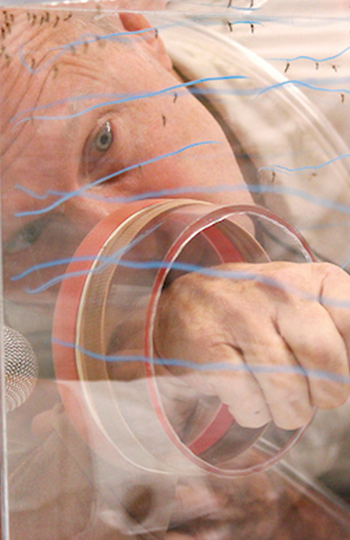
Colorado’s wet weather fuels West Nile virus risks
Heavy rain and balmy temperatures along the Front Range are boosting the disease-laden mosquito population.
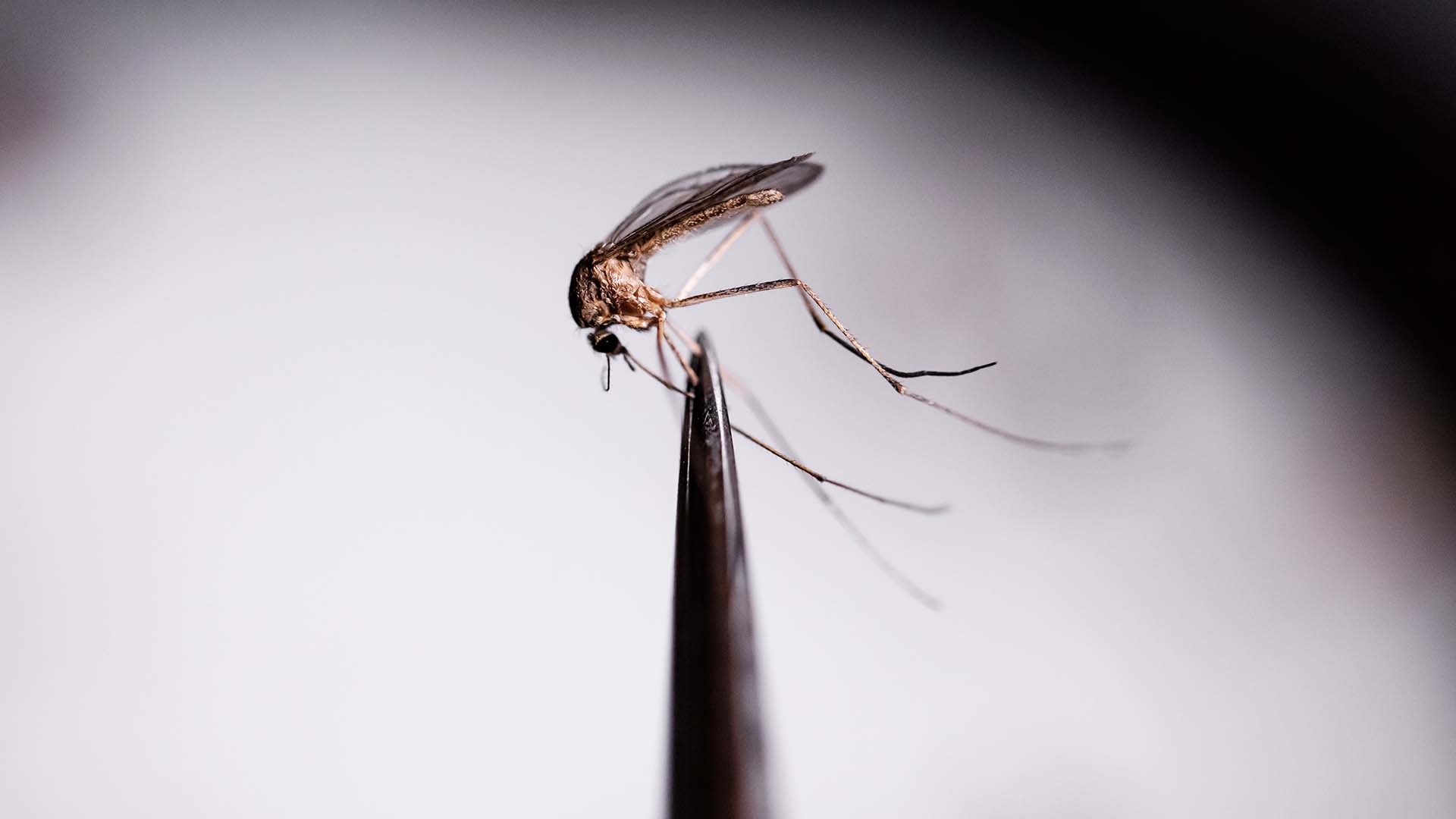
Last week, Colorado recorded its first human death of the year attributed to West Nile virus.
The death of an adult in Lafayette marked the first in-state fatality related to West Nile virus in almost two years. It was a reminder of how wildly the impact of virus-carrying mosquitoes can vary from year to year. Last year, no Coloradans died from West Nile virus; in 2023, dozens of people lost their lives to the virus.
According to Robert G. Hancock, Ph.D., a professor in the Department of Biology at Metropolitan State University of Denver, the local climate largely drives such discrepancies. He explained to RED how current weather patterns may be creating a renewed risk for Coloradans.

Two years ago, Colorado suffered the nation’s worst West Nile outbreak, resulting in 51 deaths. Which factors make the state such a perfect petri dish for mosquito-borne outbreaks?
Colorado often generates a lot of snowpack, plus enough warm weather to send all that melting snow down to fill up numerous reservoirs — more than 2,000 of them — across the state. And in some years, such as this one, there can also be pretty wet weather during spring.
For the breeding mosquito species Culex pipiens and Culex tarsalis, the state’s principal vectors of West Nile virus, these combined factors are a godsend. Put simply, those vast masses of standing water are perfectly primed to fuel a long, hot summer season of intense mosquito production.
RELATED: As West Nile infections surged, these scientists faced an unprecedented challenge
Does the weather really have such a profound effect on the breeding success — or otherwise — of native mosquitoes?
Perhaps the best way to explain this point is by way of a personal anecdote. One of the best places I know to collect Culex tarsalis larvae is a stretch of beautiful wet marshland in Jefferson County. During rainy years, I can collect 50 to 100 larvae there in just an hour. But last year, when we had very little rain, that same location was bone dry and there were no larvae at all.
Short version: Mosquitoes need standing water to breed, hatch and develop — and the more water that’s available, the more mosquitoes you’ll get. Even after all these years, I’m unaware of any mosquito that thrives when it’s dry.
Given that standing water provides an excellent breeding ground for mosquitoes, how important is it right now for Coloradans to get rid of any such water in their domestic settings?
You should always try to clear water from garden items such as flowerpots, buckets and rain barrels. My neighbor, for example, currently has several open containers in his yard that are holding water, and I can pretty much guarantee that Culex pipiens will be breeding en masse in some of them. The process happens out of sight most of the time, maybe in a shaded corner or behind plants, but it reliably will happen when conditions allow for it.
State health officials have seen “concerning trends” regarding West Nile virus infections this season. How do you see things developing as the year progresses?
Experts are worried just now because it has been quite an odd season. Although there have only been 11 reported human cases (across eight counties) this year, five of those people have gone on to develop serious neurological symptoms — known as West Nile virus neuroinvasive disease — and one person has died. That’s quite a high percentage.
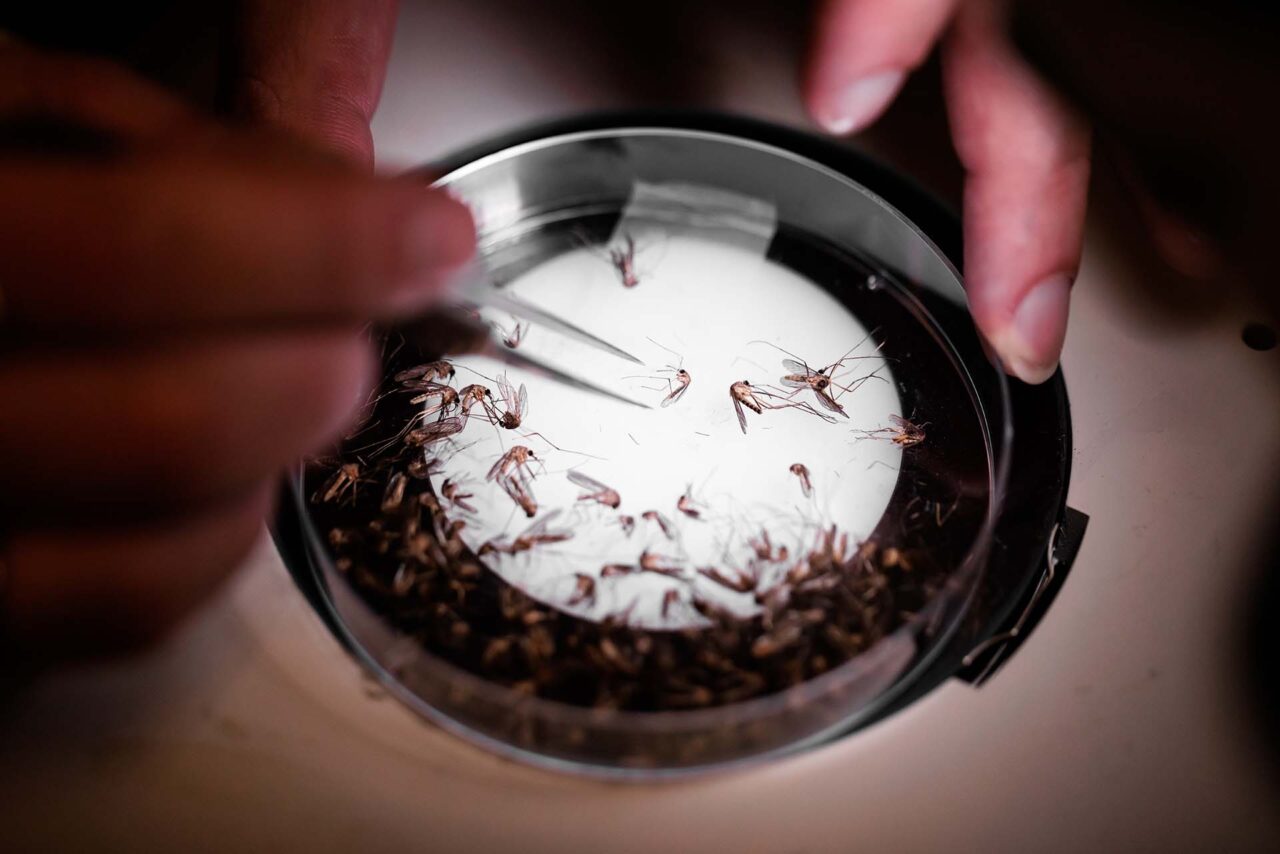
Additionally, recent tests on various mosquito groups, known as “pools,” for West Nile virus have found an unusually high number (around 90%) showing as positive, according to Vector Disease Control International. Of course, this could just be an anomaly or a rogue statistical bump, but it is still unsettling.
Are Coloradans especially susceptible to the risk of West Nile virus because of their outdoor lifestyle?
I think Coloradans — big on sports, hiking and gardens — make a pretty good target for mosquitoes simply because we spend so much time outdoors, at all times of the day. Plus, we haven’t quite embraced insect-protection measures as much as states such as Florida, where so many things are consistently trying to bite people that they take the threat seriously.
In Florida, people will routinely spend thousands of dollars to seal their doors and windows or mesh-screen their patios. Conversely, I was at a July 4 party on a Denver veranda and everyone was getting bitten to pieces, but we all just continued to stand out there.
Given the heightened risk just now, what advice would you give people to avoid getting bitten?
There are three main tips that work really well. Use plenty of insect repellent (ideally, containing DEET). Avoid being out during dawn and dusk, when mosquitoes carrying the virus are most active. And wear layered, protective clothing to keep bite trouble-spots (ankles, arms) covered.
And what should people do if they think they might be unwell?
It’s incredibly important to stay aware of your own health. If you feel something’s not right, even if you’re not sure what it is, don’t dismiss that feeling. Pay attention to your body and what it’s telling you.
I speak from experience here. Almost 20 years ago, my brother contracted West Nile virus but didn’t show any of the typical symptoms, just an inability to swallow. He had grown critically ill, in fact, before the doctors correctly diagnosed his condition. But what saved the day was his self-awareness and sense that something really was wrong and the medics’ persistence in chasing down the root cause.