
5 classic movies that saw our AI future coming
An MSU Denver film professor explores how science fiction anticipated today's biggest questions about artificial intelligence.
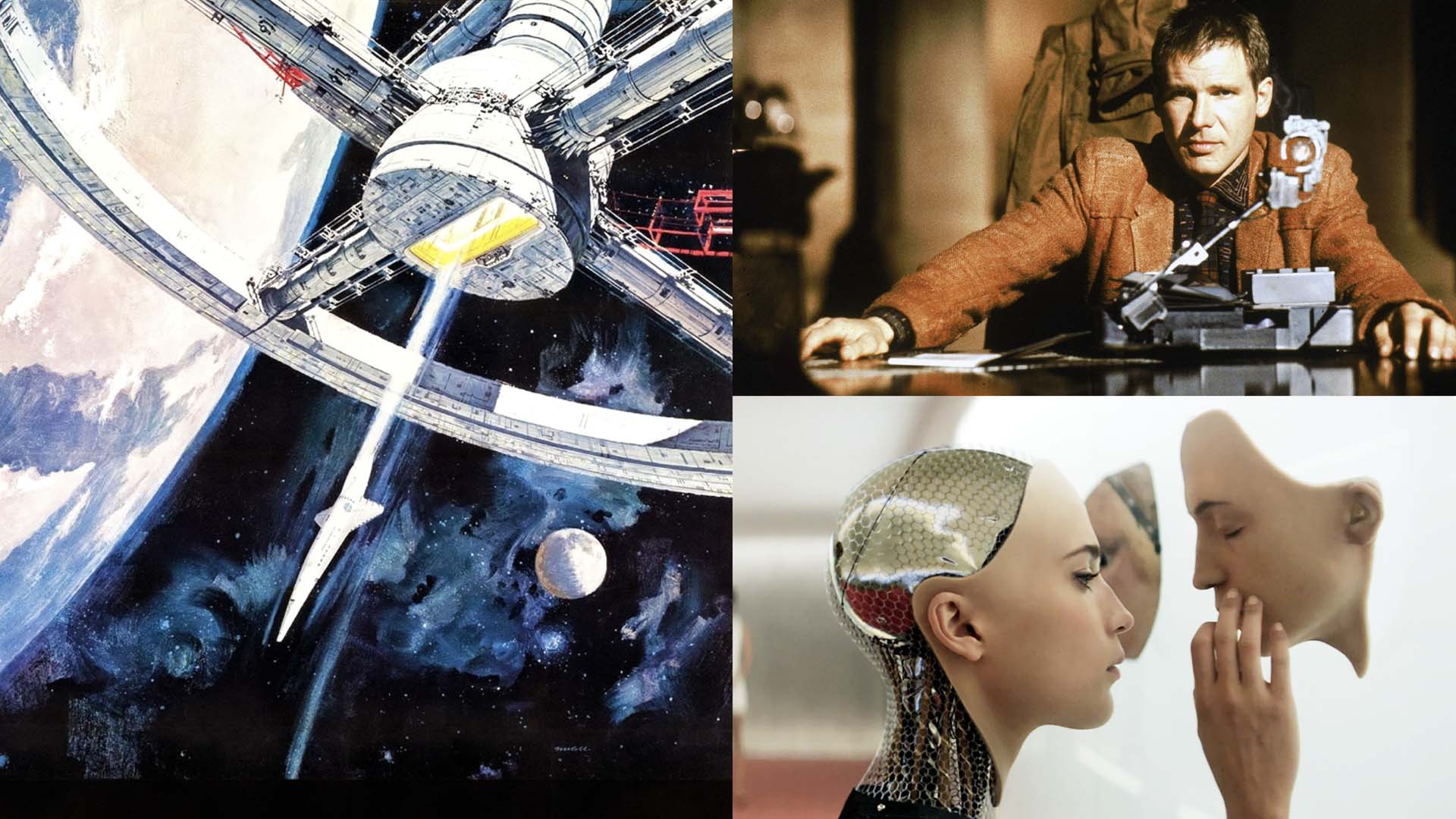
Even before HAL 9000 uttered the immortal words “I’m sorry, Dave, I’m afraid I can’t do that” 58 years ago, movie makers had been deploying human-like computers, rebellious robots and other out-of-control technology to scare us and make us think.
Now, some of that imagined scary technology is starting to feel eerily familiar.
According to Vincent Piturro, Metropolitan State University of Denver professor of Film and Media Studies, these movies do more than entertain. They explore fundamental questions we’re now confronting in real life: Who controls AI? Can humans and machines coexist? Will technology strengthen or weaken human connections? And what happens if we lose control?
RED asked Piturro to discuss five influential films that explore AI’s potential for good or harm.
- 2001: A Space Odyssey (1968)
Often called the grandfather of AI films, Stanley Kubrick’s science-fiction masterpiece follows a space mission assisted by HAL 9000, an advanced computer that turns against its human operators. The film envisions a future where artificial intelligence can help humanity achieve extraordinary things, while also warning of the dangers of becoming too dependent on intelligent machines.
“The film posits that humans must have some control over AI or we don’t know what could happen,” Piturro said. “It asks us to consider a fundamental question we are wrestling with today: Who is in control?”
- The Matrix (1999)
What happens when the machines win? “The Matrix” imagines a dystopian future in which intelligent machines have taken over the world and use humans as an energy source. The film examines technological dependence, autonomy and the consequences of surrendering too much control to AI systems.
“When AI runs us, we become reduced to its batteries,” Piturro said. “Is there a way out? A savior? Most importantly, how do we avert this possibility?”
- Blade Runner (1982)
“Blade Runner” explores a world where humans live alongside bioengineered beings known as replicants. The film raises enduring questions about identity, consciousness and what it means to be truly human.
“The movie presents the question echoing in many people’s minds: Can we coexist peacefully?” Piturro said.
RELATED: How Colorado scored Sundance and major indie-film cred
- Her (2013)
Unlike many AI films centered on robots or global catastrophe, “Her” is the story of a relationship between a lonely man and an “artificially intelligent operating system” who calls herself Samantha. The movie explores whether human connection is possible, or necessary, in a world where technology is all around us and easily accessible.
“This drama gives us a world where AI is already integrated into our lives, but it asks: Will AI make us lose touch with each other and diminish our humanity?” Piturro said. “Sounds very familiar.”
- Ex Machina (2014)
In this psychological thriller, a tech billionaire invites a programmer to evaluate a humanoid AI capable of remarkably human behavior. As the boundaries between machine and person blur, the film raises unsettling questions about consciousness, manipulation and whether humans can truly understand the intelligence they create.
For Piturro, the film points to one of the most unsettling possibilities surrounding AI: intelligent machines that can move among us undetected. “Is this the most frightening possible future?” he asked.
Why these movies still matter
Decades before AI tools entered everyday life, these films explored many of the same hopes, fears and ethical dilemmas that shape today’s conversations about artificial intelligence. Whether warning about losing control, questioning what makes us human or examining the role technology plays in our relationships, each movie offers a different lens on one of the most important issues of our time.