DIA to create underground walkways from the terminal to concourses
MSU Denver aviation and engineering experts say the project, designed to ease congestion, reflects airport growth and customer needs.
Denver International Airport is planning to give travelers a new way to reach their gates — and experts say the project could help solve one of the airport’s biggest operational issues.
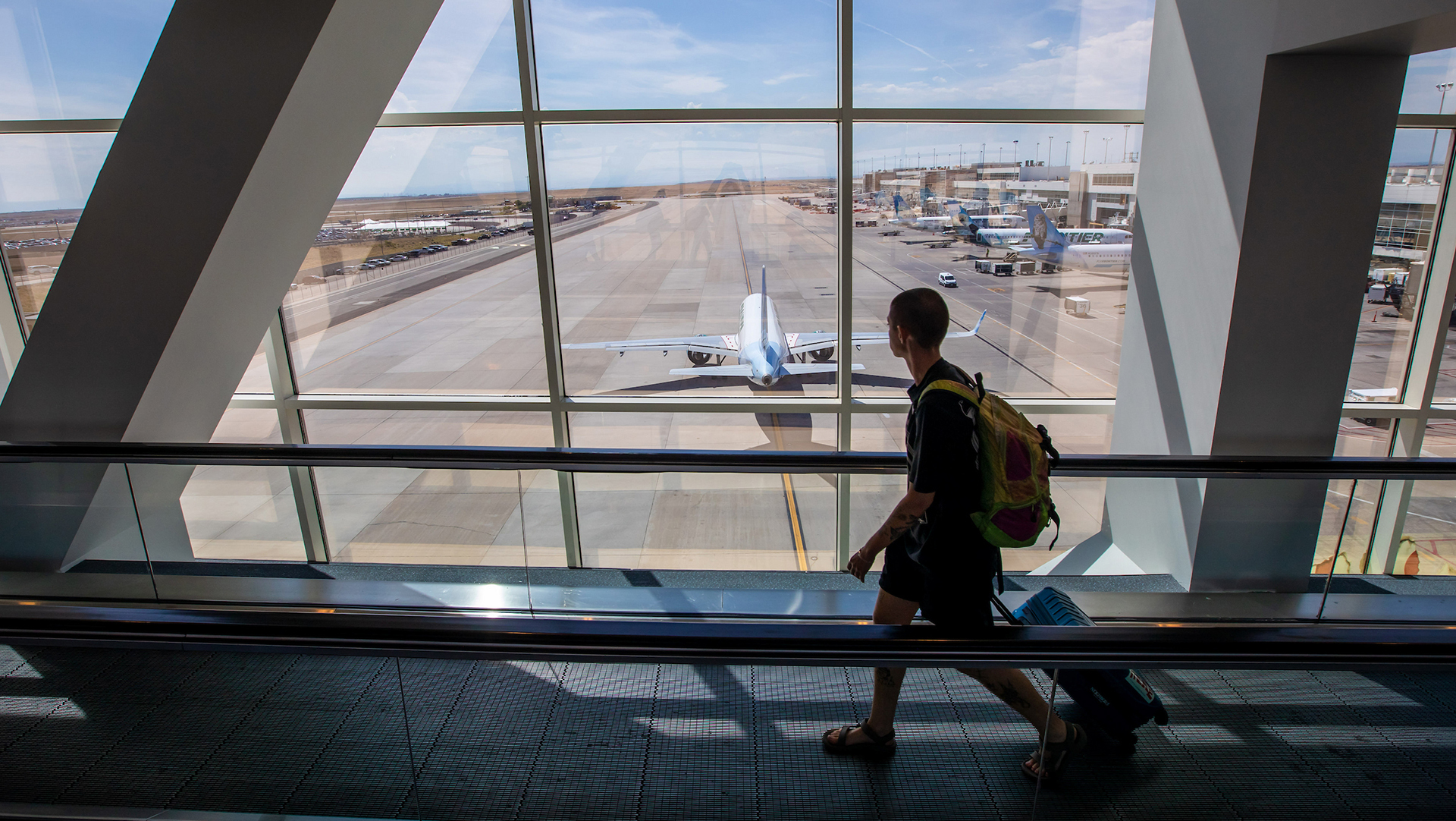
The airport has announced plans to create pedestrian walkways between the terminals and concourses by repurposing portions of its underground baggage tunnels. The addition is expected to offer travelers using North America’s third-busiest airport another option in addition to the train. Metropolitan State University of Denver experts say the project addresses the rapid, unexpected growth DIA has experienced since it opened in 1995.
Airport officials expect construction to begin in early 2027.
“It’s been long needed,” said Jeff Price, Aviation and Aerospace Science professor at MSU Denver.
Price said a walking tunnel was part of DIA’s original design but was eventually cut because airport planners believed travelers would not want to walk such long distances between concourses.
“Apparently, they underestimated the average Colorado resident who doesn’t mind a long ‘fitness’ walk, especially if they need to catch a flight,” he said.
What once may have seemed like an impractical trek now aligns with the habits of many Colorado travelers accustomed to hiking and walking and hoping to avoid long waits and packed trains whenever possible.
RELATED: Keep your shoes on? TSA policy change explained
But the tunnel, which airport officials say will cost $300 million to $700 million, and be paid for with airport revenue, is about more than convenience.
Stephen Long, affiliate Engineering professor at MSU Denver, said DIA’s dependence on its Automated People Mover train system has become increasingly risky as passenger traffic continues to grow.
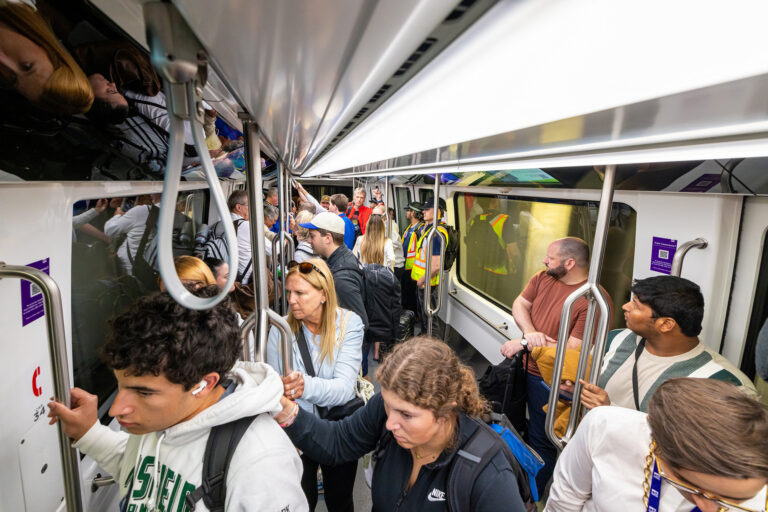
“The train is reliable most of the time, but any failures create major operational disruptions,” Long said.
Both experts noted that DIA’s passenger volumes have far exceeded what planners originally anticipated. When trains malfunction, passengers often face long delays and crowded backup transportation systems.
“The backup bus plan is inefficient, introduces security risks and ramp safety risks,” Price said.
The project presents major engineering challenges.
A complex underground network that includes one tunnel for trains and two tunnels for baggage operations already exists beneath DIA. Repurposing portions of those tunnels for passenger walkways could create logistical complications because the baggage tunnels feed directly into the concourses and ramp areas.
However, converting the tunnels may still be less disruptive than building elevated bridges over concourses, Long said.
He also noted that DIA’s soil conditions make underground construction more manageable than many people might assume.
“You’re not boring through rock,” Long said.
Modern tunnel-boring technology has improved significantly in recent decades, he added, making large-scale underground infrastructure projects more feasible and cost-effective than in the past.
For both experts, DIA’s tunnel project reflects something larger: the airport’s extraordinary growth.
What was once designed for a smaller passenger load has evolved into one of the country’s busiest aviation hubs. Infrastructure once considered optional now seems essential.
That means what once seemed like an unnecessary walk across the airport may now represent a long-overdue backup plan.