VIDEO: How to enjoy a healthier Thanksgiving without skipping your favorites
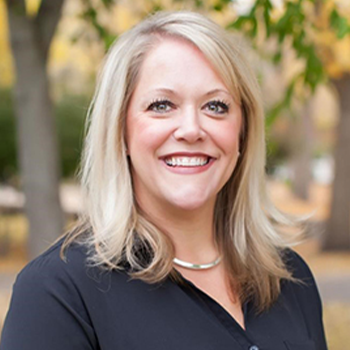
Nutrition Professor Jennifer Bolton, Ph.D., shares simple strategies for balancing flavor and health during the holidays.


Each year, Americans consume an average of more than 4,500 calories on Thanksgiving Day, according to the Calorie Control Council. That’s more than most people need in 48 hours. But a few small changes can make a big difference, one expert says.
“Thanksgiving is a high-calorie, high-fat, high-sodium holiday,” said Jennifer Bolton, Ph.D., a registered dietitian and Nutrition professor at Metropolitan State University of Denver. “For people with chronic conditions such as congestive heart failure or cardiovascular disease, it’s especially important to monitor sodium, fat and calorie intake.”
Bolton encourages everyone to shift their mindset around holiday eating. “A great goal is to maintain your weight from Thanksgiving through New Year’s,” she said. “That doesn’t mean you can’t eat your favorites. It just means monitoring portion sizes and maybe modifying the food.”
RELATED: The ultimate healthy Thanksgiving dinner menu
Swapping in healthy ingredients can be surprisingly simple. For example, instead of adding butter and cream to mashed potatoes, try using broth and milk. Roast vegetables rather than preparing sugar-laden purees. And when it comes to the turkey, Bolton recommends using citrus and herbs instead of salt to boost flavor.
“You can stuff the turkey with lemons, oranges, thyme, rosemary and garlic and give it all of those wonderful flavors without any sodium at all,” she said. “And allow people to add their own salt at the table.”
She also cautions against the common “free-for-all” mentality between the holidays. Some people say, ‘I’ll deal with it in the new year,’ but gaining 5 to 15 pounds over the holidays makes it much harder to lose later, she said.
Ultimately, Bolton believes people want to feel good about the food they eat. “How they feed their bodies throughout their lifetime influences how well they age and feel,” she said. “Living to 80 is no longer the goal — living to 80 and still being able to play pickleball is.”
Learn more about Nutrition programs at MSU Denver.